
Playing with Cultural Intention
Creating Inclusive, Ethical, and Responsive Play Therapy Spaces
- Speakers:
- Kadesha Adelakun, LCSW, RPT-S™, PMH-C | Alicia Donovan, LPC, RPT-S™, NCC
- Duration:
- 1 Hour 30 Minutes
- Format:
- Audio and Video
- Copyright:
-
Jun 04, 2026
- Product Code:
- POS150719
- Media Type:
- Digital Seminar

Description
Play is universal—but its meaning, expression, and interpretation are deeply shaped by culture.
For play therapists, cultural awareness isn’t optional; it’s essential for building trust, honoring identity, and ensuring ethical practice. This experiential workshop invites you to examine how your own cultural lens influences the playroom and how power, privilege, and bias can impact the play therapeutic interactions.
This experiential workshop invites you to examine how your own cultural lens influences the playroom and how power, privilege, and bias can impact the play therapeutic interactions. You’ll also explore ways to collaborate with families and access resources that strengthen cultural integrity and therapeutic safety as you utilize play.
- Leave with tools to create play therapy spaces where every child feels seen, valued, and understood
- Recognize how your cultural identify shapes play therapy interactions and decision-making
- Identify implicit bias and moments of cultural disconnection in the play therapy room
- Select toys and materials that reflect diverse identities and cultural narratives found in play therapy
- Collaborate with families to maintain cultural integrity and therapeutic safety
Credit
Speaker

Kadesha Adelakun, LCSW, RPT-S™, PMH-C Related seminars and products
The Journey Counseling Services LLC
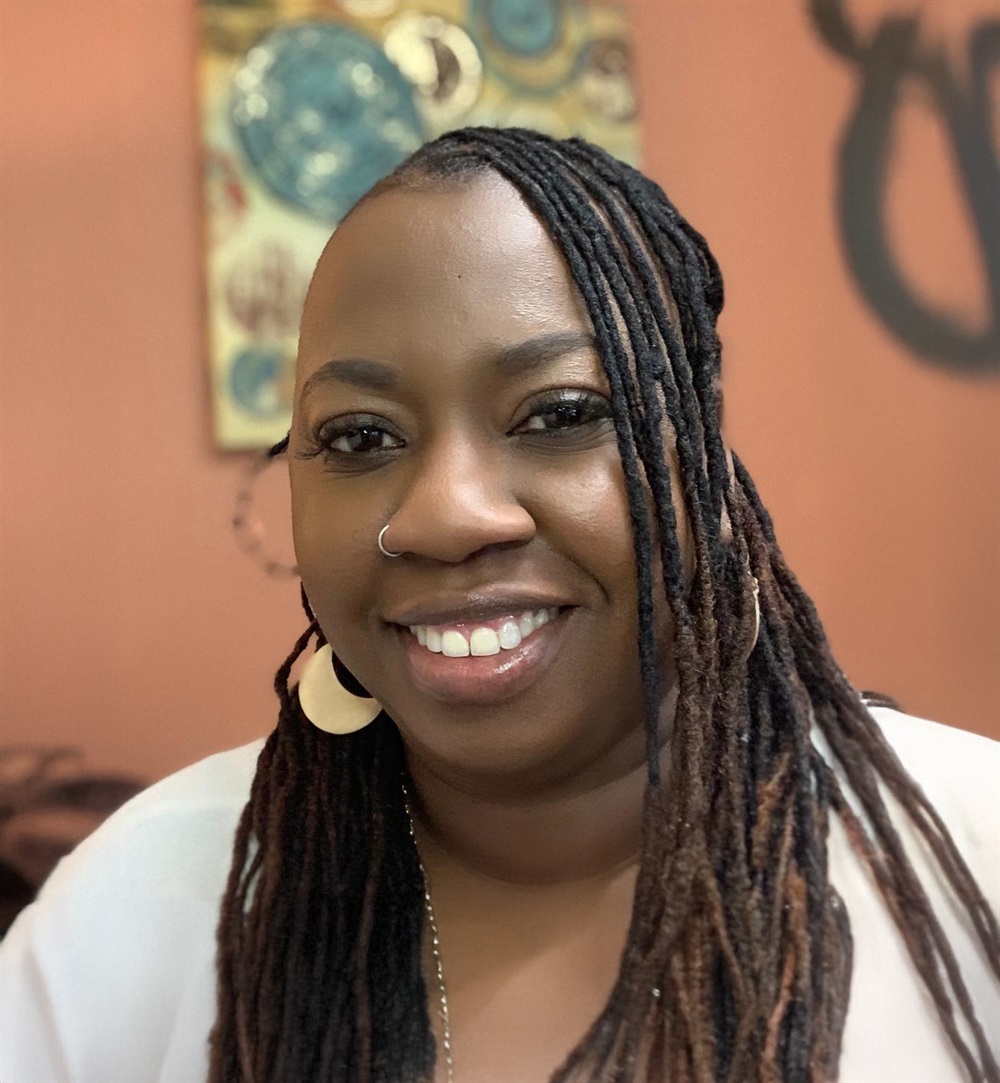
Kadesha Adelakun has over 15 years of clinical experience working with children, families, and individuals. She is a licensed clinical social worker (LCSW), in the states of Georgia, New Jersey, and Florida, and a Registered Play Therapist-Supervisor (RPT-S™). She also has a Perinatal Mental Health-Certification (PMH-C). She has worked as a school social worker, with adults with mental illnesses, children and adolescents involved with the Department of Juvenile Justice, families involved with the Department of Family and Children Services, provided in-home therapy, and has spent some time studying in Ghana, West Africa. She is the founder and owner of The Journey Counseling Services in Kennesaw, GA, and the Vice President of the Georgia Association for Play Therapy.
She currently serves on various national committees for the Association for Play Therapy (APT) and was the 2023 recipient of APT’s Service Award. She is also a cultural and racial diversity play therapy consultant and international speaker and trainer.
Speaker Disclosures:
Financial: Kadesha Adelakun maintains a private practice and receives royalties as a published author. She receives a speaking honorarium from PESI, Inc. She has no relevant financial relationships with ineligible organizations.
Non-financial: Kadesha Adelakun is a member of the Association for Play Therapy.
Alicia Donovan, LPC, RPT-S™, NCC Related seminars and products
Alicia Donovan is a licensed professional counselor and a registered play therapist-supervisor. She operates a group practice in Tucson, Arizona and has worked with children and families throughout her career.
She is currently a doctoral student in the discipline of counselor education and supervision at the University of Arizona with a research focus on examining the way in which cultural symbols and metaphors shape healing, identity and meaning making in the context of play therapy.
Alicia has presented workshops on topics in play therapy and multicultural issues both locally and regionally. Her professional passions center on supporting the growth of emerging play therapists and counselors, and advancing culturally responsive, trauma-informed care.
Speaker Disclosures:
Financial: Alicia Donovan has employment relationships with Cochise College and Small Steps in Wellness PLLC. She receives a speaking honorarium from PESI, Inc. She has no relevant financial relationships with ineligible organizations.
Non-financial: Alicia Donovan is a member of the American Counseling Association and the Association for Play Therapy.
Additional Info
Access for Self-Study (Non-Interactive)Access never expires for this product.
Questions?
Visit our FAQ page at www.pesi.com/faq or contact us at www.pesi.com/info
Additional CE Info
For a more detailed outline that includes times or durations of time, if needed, please contact cepesi@pesi.com.
Objectives
- Identify the importance of cultural identity in play therapy.
- List three ways power and privilege may show up in the playroom and impact the therapeutic relationships.
- Implement culturally responsive play therapy techniques through simulation and practice.
Outline
Exploring Culture in the Play Therapy Process
- Therapist cultural self-awareness and its influence on the playroom
- Cultural identities shape children’s play themes and communication
- Implicit bias and cultural assumptions in therapeutic interactions
Power, Privilege, and Dynamics in the Playroom
- Ways power imbalances emerge between therapist and child
- Impact of cultural worldview on interpretation of play
- Identifying moments where cultural disconnection may occur
Culturally Responsive Play Therapy Practices
- Intentional selection of toys and materials that reflect diverse identities
- Supporting cultural narratives through symbolic, creative, and imaginative play
- Inviting child and family centered meaning-making through a cultural framework
Enhancing Clinical Practice Through Collaboration and Resource seeking
- Finding resources to support ongoing growth
- Maintaining cultural integrity and therapeutic safety
Risks
- Participants may unintentionally oversimplify or misapply cultural concepts, leading to stereotyping or inaccurate interpretation of children’s play
- Discussions of power, privilege, and bias may evoke emotional discomfort or defensiveness, which can impact learning or participant
- Learners may over-attribute behaviors to culture while overlooking developmental, familial, or trauma-related factors
- Increased confidence after the workshop may lead some attendees to implement culturally based techniques without adequate supervision or consultation
Limitations
- The workshop provides foundational knowledge but cannot fully develop cultural humility, which requires ongoing training, supervision, and self-reflection
- Due to time constraints, not all cultural identities, worldviews, or systemic influences on play can be addressed in depth
- Simulation and practice activities may not reflect the full complexity of real-world clinical interactions
Target Audience
- Play Therapists
- Child Therapists
- Licensed Clinical/Mental Health Counselors
- Marriage & Family Therapists
- Psychologists
- Social Workers
- Physicians
- Nurses



Reviews
Satisfaction Guarantee
Your satisfaction is our goal and our guarantee. Concerns should be addressed to: PO Box 1000, Eau Claire, WI 54702-1000 or call 1-800-844-8260.
ADA Needs
We would be happy to accommodate your ADA needs; please call our Customer Service Department for more information at 1-800-844-8260.
PESI Mobile App
Access CE trainings on your phone or tablet through our free mobile app. Choose video or audio-only versions of online courses from the world’s best instructors, and complete your CE requirements anywhere, anytime, at your own pace.




Please wait ...