
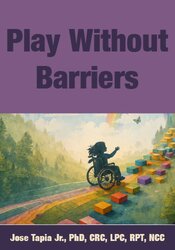
Play Without Barriers
Child-Centered Play Therapy for Physical Disabilities and Chronic Illness
- Speaker:
- Jose Luis Tapia Jr., PhD, CRC, LPC, RPT, NCC
- Duration:
- 1 Hour 30 Minutes
- Format:
- Audio and Video
- Copyright:
-
Jun 04, 2026
- Product Code:
- POS150718
- Media Type:
- Digital Seminar

Description
Children with physical disabilities and chronic illnesses often face emotional, social, and developmental challenges that traditional therapies overlook. Play therapists sometimes struggle to integrate play therapy in ways that honor the child’s autonomy while adapting to their physical or medical limitations.
This presentation introduces an integrated child-centered play therapy approach—blending developmental, medical, and therapeutic frameworks to create meaningful, healing play therapy experiences.
You’ll learn how to adapt the playroom environment, modify play therapy interventions, and collaborate with families and medical teams to support resilience, emotional expression, and empowerment.
Dr. Tapia will teach you:
- How to adapt play therapy environments and interventions for physical limitations
- Integrate play therapy techniques to support autonomy and empowerment
- Ways to collaborate effectively with medical teams and families through the therapeutic power of play
- Tools to address internalized ableism and promote inclusion
- Practical methods to integrate developmental, medical, and therapeutic frameworks for holistic care
- How to expand therapeutic flexibility and deepen empathy through accessible play therapy strategies
Credit
Speaker
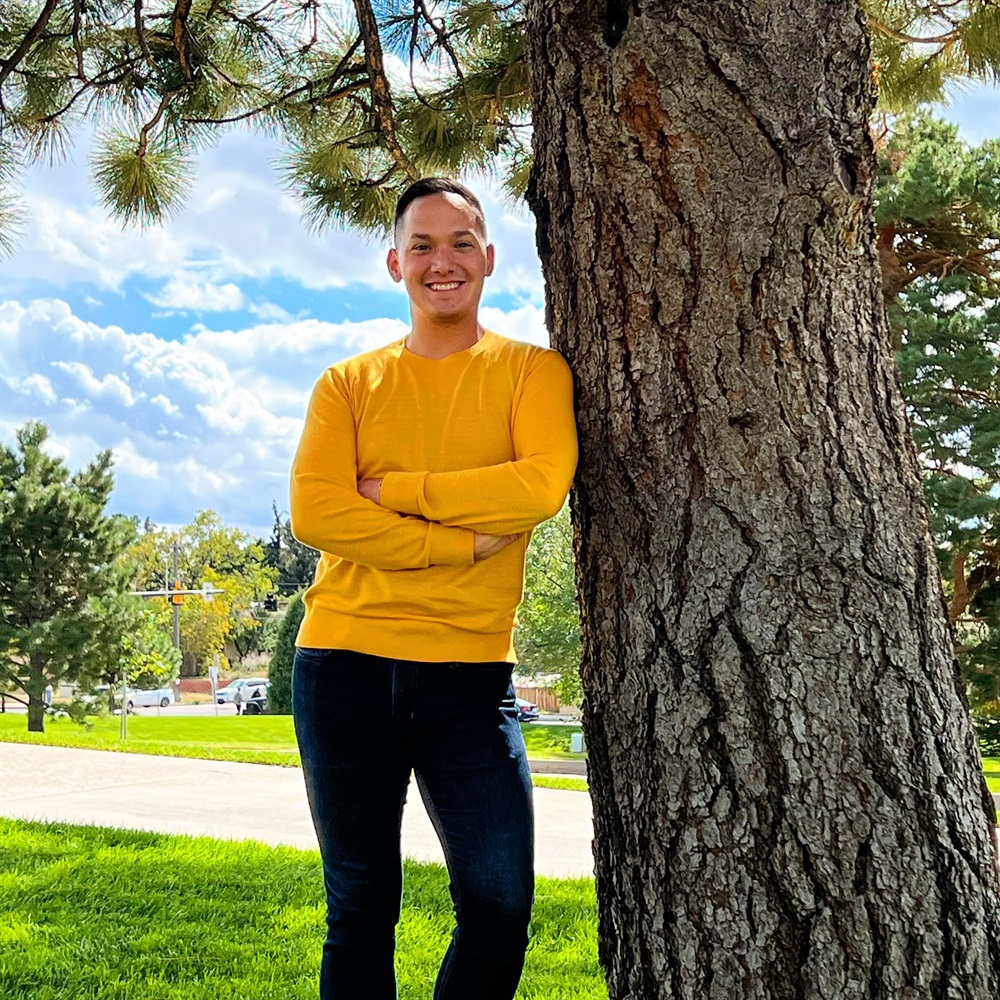
Jose Luis Tapia Jr., PhD, CRC, LPC, RPT, NCC Related seminars and products
Dr. Jose Luis Tapia Jr. (he/him) is currently an assistant professor at the University of Colorado, Colorado Springs and owner of Vanda Counseling Collaborative, PLLC. He graduated with his PhD in counseling at the University of North Texas. His research is focused on disability-responsive care across the lifespan.
Dr. Tapia is a Child-Centered Play Therapy (CCPT) and Child-Parent Relationship Therapy (CPRT) supervisor and trainer for the Center for Play Therapy. He has conducted training on CCPT/CPRT in the US and in Hong Kong and has published in peer-reviewed journals in serving children with disabilities using play therapy, trauma-informed ethical decision making, and serving interabled relationships in counseling. Dr. Tapia served the community in public and private rehabilitation settings as well as in private and community practice for 12 years. He has provided individual, relationship, play, and family therapy with a special focus in serving people with disabilities in three languages (English, Spanish, and American Sign Language).
Speaker Disclosures:
Financial: Jose Tapia has employment relationships with the Center for Cognitive Health, Craig Hospital, the University of Colorado, and Deaf Overcoming Violence Through Empowerment (DOVE). He receives a speaking honorarium from PESI, Inc. He has no relevant financial relationships with ineligible organizations.
Non-financial: Jose Taapia has no relevant non-financial relationships.
Additional Info
Access for Self-Study (Non-Interactive)Access never expires for this product.
Questions?
Visit our FAQ page at www.pesi.com/faq or contact us at www.pesi.com/info
Additional CE Info
For a more detailed outline that includes times or durations of time, if needed, please contact cepesi@pesi.com.
Objectives
- Identify and discuss three unique developmental needs for physical disabilities and chronic illnesses in play therapy.
- Determine culturally and linguistically sensitive Child-Centered Play Therapy (CCPT) techniques that address the unique developmental and emotional needs of children with physical disabilities and chronic illnesses.
- Develop and utilize play therapy tools and resources that support communication and interaction with parents in support of their child with physical disabilities and chronic illnesses in parent consultation.
- Identify 3 ways they can make adjustments to how they will set limits with children who have physical disabilities in play therapy.
Outline
Understanding the Child’s World
- Emotional, social, and developmental challenges unique to physical disabilities and chronic illness
- How these conditions impact autonomy, attachment, and play
- Key developmental needs clinicians must address in play therapy
Adapting the Playroom for Accessibility
- Practical modifications to the play therapy environment
- Selecting and adapting tools for mobility and sensory limitations
- Strategies for adjusting limit-setting while maintaining therapeutic boundaries
Empowering Through Play
- Child-centered techniques that foster autonomy and resilience
- Play therapy interventions that promote emotional expression and mastery
- Addressing internalized ableism and supporting positive identity
Collaboration for Holistic Care
- Integrating developmental, medical, and therapeutic frameworks
- Effective communication with families and medical teams
- Tools for parent consultation to reinforce therapeutic goals
Inclusive Practice and Cultural Responsiveness
- Culturally and linguistically sensitive approaches in CCPT
- Honoring family narratives and lived experiences in the playroom
- Reflective strategies to deepen empathy and therapeutic flexibility
Limitations and Risks
Target Audience
- Play Therapists
- Child Therapists
- Licensed Clinical/Mental Health Counselors
- Marriage & Family Therapists
- Psychologists
- Social Workers
- Physicians
- Nurses



Reviews
Satisfaction Guarantee
Your satisfaction is our goal and our guarantee. Concerns should be addressed to: PO Box 1000, Eau Claire, WI 54702-1000 or call 1-800-844-8260.
ADA Needs
We would be happy to accommodate your ADA needs; please call our Customer Service Department for more information at 1-800-844-8260.
PESI Mobile App
Access CE trainings on your phone or tablet through our free mobile app. Choose video or audio-only versions of online courses from the world’s best instructors, and complete your CE requirements anywhere, anytime, at your own pace.




Please wait ...