

Level 1 Autism in Children & Teens: Understanding the Neurotype You Didn’t See Coming
- Speaker:
- Emily Kircher-Morris, MA, MEd, LPC
- Duration:
- 1 Hour 30 Minutes
- Format:
- Audio and Video
- Copyright:
-
Aug 06, 2026
- Product Code:
- POS150906
- Media Type:
- Digital Seminar

Description
Level 1 autistic youth are often missed precisely because their nervous systems work hard to adapt, mask, and perform. This session helps clinicians recognize subtle autistic presentations and adjust treatment to support regulation, safety, and authentic engagement.
- Key indicators of internalized, masked, or late-identified autistic traits across developmental stages
- Nervous-system and neurotype distinctions between autism, anxiety, ADHD, trauma responses, and giftedness
- Cognitive, sensory, and regulatory patterns that shape stress responses and therapy fit
Credit
Speaker
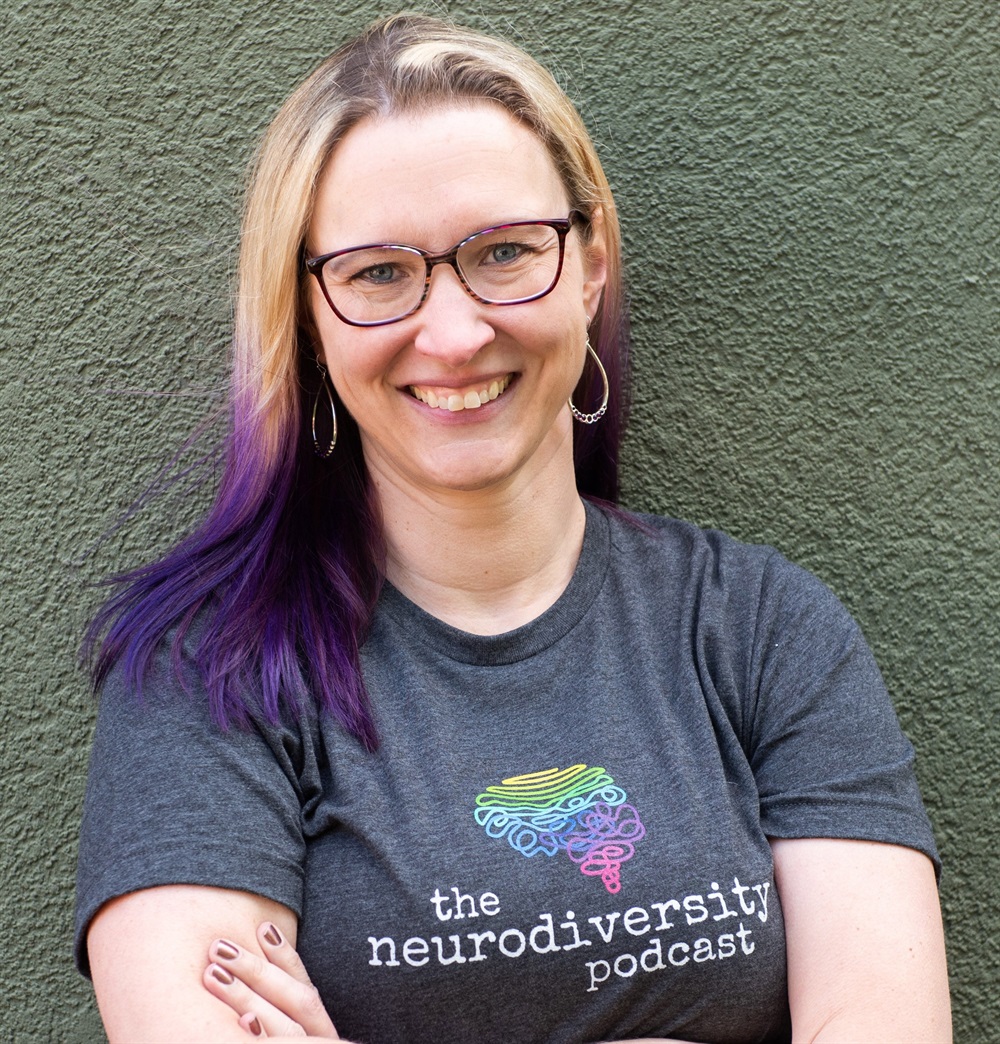
Emily Kircher-Morris, MA, MEd, LPC Related seminars and products
Emily Kircher-Morris, MA, MEd, LPC, is a licensed professional counselor specializing in neurodivergent children, adolescents, and adults. With a background in both education and mental health, she integrates neurodiversity-affirming and strengths-based approaches into her clinical work, consultation, and training for clinicians.
Emily is the host of The Neurodiversity Podcast, where she explores evidence-informed counseling practices, identity development, executive functioning, and systemic supports for neurodivergent individuals. She is the author of multiple books, including Neurodiversity-Affirming Schools: Transforming Practices So All Students Feel Accepted and Supported (2025). She provides continuing education and professional development nationally and internationally.
Speaker Disclosures:
Financial: Emily Kircher-Morris is the owner of Neurodiversity Alliance and the podcast host of The Neurodiversity Podcast. She receives compensation as a consultant and national speaker. Emily Kircher-Morris receives royalties as a published author. She receives a speaking honorarium from PESI, Inc. She has no relevant financial relationships with ineligible organizations.
Non-financial: Emily Kircher-Morris is a member of the National Association for Gifted Children.
Additional Info
Access for Self-Study (Non-Interactive)Access never expires for this product.
Questions?
Visit our FAQ page at www.pesi.com/faq or contact us at www.pesi.com/info
Objectives
- Distinguish Level 1 Autism from anxiety disorders, ADHD, trauma presentations, and giftedness using case-based diagnostic indicators.
- Modify evidence-based treatment approaches to align with the cognitive, regulatory, and sensory profiles of Level 1 autistic youth in order to improve intervention fit, engagement, and therapeutic outcomes.
- Analyze the risks and limitations of standard treatment protocols when applied without autism-informed modification.
Outline
Recognizing the Nuanced Presentation of Level 1 Autism in Youth
- Review of diagnostic criteria with emphasis on subtle, internalized, and masked traits
- Differentiating Level 1 Autism from anxiety disorders, ADHD, trauma presentations, and giftedness
- Identifying masking and camouflaging patterns that contribute to missed or late diagnosis
- Brief clinical case examples to strengthen recognition and differential thinking
Neurotype-Informed Case Conceptualization
- Integrating autism into biopsychosocial formulation and treatment planning
- Understanding cognitive style, literal thinking, rigidity, and monotropism in clinical context
- Identifying sensory processing and regulation differences that impact therapy engagement
- Reframing behaviors through a neurodiversity-affirming lens to reduce shame and misattribution
Adapting Therapeutic Interventions for Level 1 Autistic Youth
- Modifying Cognitive Behavioral Therapy to increase concreteness, structure, and accessibility
- Adjusting cognitive restructuring, exposure work, and psychoeducation for literal thinkers
- Incorporating DBT-informed emotion regulation and co-regulation strategies
- Using visual supports, predictable session structure, and collaborative problem-solving to increase engagement
Research Considerations, Risks, and Ethical Practice
- Overview of current research on adapted CBT and autism-informed treatment approaches
- Risks of applying standard protocols without neurotype-informed modification
- Limitations of existing research, including heterogeneity and underrepresentation
- Ethical considerations related to masking, identity development, and therapeutic goals
Target Audience
- Psychologists
- Social Workers
- Counselors
- Marriage & Family Therapists
- Occupational Therapists
- Physicians
- Speech-Language Pathologists
- School Administrators



Reviews
Satisfaction Guarantee
Your satisfaction is our goal and our guarantee. Concerns should be addressed to: PO Box 1000, Eau Claire, WI 54702-1000 or call 1-800-844-8260.
ADA Needs
We would be happy to accommodate your ADA needs; please call our Customer Service Department for more information at 1-800-844-8260.
PESI Mobile App
Access CE trainings on your phone or tablet through our free mobile app. Choose video or audio-only versions of online courses from the world’s best instructors, and complete your CE requirements anywhere, anytime, at your own pace.




Please wait ...