
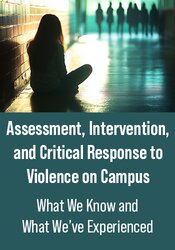
Assessment, Intervention, and Critical Response to Violence on Campus: What We Know and What We've Experienced
- Speakers:
- Brett Scofield, PhD | John Mitchell, PsyD | Mia Zamora, LCSW | Emily Slife, PhD | Erin Williams, PhD
- Duration:
- Three hours
- Format:
- Audio and Video
- Copyright:
-
Apr 08, 2025
- Product Code:
- POS150007
- Media Type:
- Digital Seminar

Description
Over the past few decades, there has been an increasing focus on violence prevention programs in schools, including college campuses. Within higher education settings, college counseling center staff are frequently called upon in a multitude of roles that aid efforts in preventing violence and responding to critical incidents when they occur. In Part 1 of this program, the presenters will review critical risk factors for targeted violence and recommended interventions to utilize when treating college students with elevated violence risk. In Part 2 of the webinar, best practices and suggestions for creating and implementing a critical response plan to incidents of violence on campus will be outlined. The critical response guidance will be shared from the perspective of two campus counseling centers who were significantly impacted by recent shootings on their respective campuses.
Credit
Speaker

Brett Scofield, PhD Related seminars and products
Dr. Brett E. Scofield earned his Doctor of Philosophy degree from Wichita State University in Clinical-Community Psychology in 2006 and has devoted nearly his entire career to collegiate mental health, working as a clinician and administrator within multiple university-based counseling centers over the past 20 years. He currently serves as the associate director of the Penn State Center for Counseling and Psychological Services (CAPS), as well as the executive director of the Center for Collegiate Mental Health (CCMH), a national research center that includes a network of over 800 college counseling centers. Dr. Scofield has played a significant role within CCMH for the past 10 years, contributing to numerous publications on the topic of college student mental health and helping the Center develop several tools that are widely used by college counseling centers nationally to advocate for services. In addition, threat assessment and management are a particular passion of Dr. Scofield’s, having served on the Threat Assessment Teams at two major universities since 2012.
Speaker Disclosures:
Financial: Brett Scofield has an employment relationship with Pennsylvania State University. He receives a speaking honorarium from PESI, Inc. He has no relevant financial relationships with ineligible organizations.
Non-financial: Brett Scofield is a member of the American Psychological Association, the Association for Threat Assessment Professionals, and the Association for University and College Counseling Center Directors.

John Mitchell, PsyD Related seminars and products
John Mitchell, PsyD, earned his BS in Psychology from Florida State University and a PsyD in Clinical Psychology from Indiana State University in 1995. He is a licensed psychologist in PA. John retired from 23 years of service with the Federal Bureau of Prisons. For most of that career he was chief psychologist at the Federal Correctional Complex in Allenwood, PA and was a national trainer for the Bureau of Prisons’ Hostage Negotiations program.
Having served out his sentence as a correctional psychologist, John is now enjoying a second career as a psychologist and Assessment Coordinator with CAPS at Penn State University, starting in August of 2017. John also sees a small number of clients through private practice and provides consulting and training with community mental health staff, first responders, and law enforcement in the areas of diversity, crisis intervention, and threat assessment. He is a member of the Centre County Hostage Negotiations Team and the Centre County Community Anti-Threat Team.
Speaker Disclosures:
Financial: Dr. John Mitchell has employment relationships with Penn State, National University and receives compensation as a consultant. He receives a speaking honorarium and recording royalties from PESI, Inc. He has no relevant financial relationships with ineligible organizations.
Non-financial: Dr. John Mitchell is a member of the Therapeutic Assessment Institute.

Mia Zamora, LCSW Related seminars and products
Marguerite “Mia” Zamora, LCSW, is a licensed clinical social worker with extensive experience in mental health services, clinical leadership, and program development. She holds a Master of Social Work from Arizona State University. Marguerite, who goes by Mia in her daily work, currently serves as Associate Director of Clinical Services for Counseling and Psych Services (CAPS) at the University of Arizona, where she oversees clinical operations. She has led efforts to enhance risk assessment and crisis intervention policies and procedures, as well as to redesign CAPS’ clinical system to align with trauma-informed care principles. She is a 2023-2024 Academic Leadership Institute Fellow with the University of Arizona.
Prior to joining CAPS, Mia primarily worked in community behavioral health, where she held the role of program manager for Crisis and In-Home Services where she developed a family systems oriented intensive in-home program for high acuity youth and worked as a child and family therapist. Mia also served as an adjunct faculty member at Arizona State University where she taught courses in Cognitive Behavioral Therapy and Ecological Approach to Children, Youth and Families.
Speaker Disclosures:
Financial: Marguerite Zamora has employment relationships with the University of Arizona Counseling and Psych Services. She receives a speaking honorarium from PESI, Inc. She has no relevant financial relationships with ineligible organizations.
Non-financial: Marguerite Zamora has no relevant non-financial relationships.

Emily Slife, PhD Related seminars and products
Dr. Emily Slife received her PhD in Counseling Psychology from the University of Missouri-Kansas City. She completed her doctoral internship at the University of Maryland Counseling Center and her postdoctoral fellowship at the University of Delaware Center for Counseling and Student Development, with a specialty rotation in eating disorders. Dr. Slife went on to work in a faculty position at Loyola University New Orleans and then served as the training coordinator ant eating disorder treatment team coordinator at the University of Nevada-Las Vegas Student Counseling and Psychological Services (CAPS) for several years. Dr. Slife developed and implemented the APA-accredited CAPS internship training program. She also served as the training director of the APA-accredited Nevada Psychology Internship Consortium; a statewide workforce development program dedicated to increasing the workforce of psychologists in Nevada. She spent a decade focused on the clinical supervision, training, and retention of mental health professionals in Nevada and continues to serve as a clinical supervisor. Dr. Slife has worked with many populations, including college students, veterans, adults with serious mental illness (SMI), and the underserved. Dr. Slife currently serves as the associate director of administrative services at UNLV CAPS. Dr. Slife oversees the wellness promotion department and oversees all outreach, social media, and technology services at CAPS. She has served on the continuing education committee for the Nevada Psychological Association for many years.
Speaker Disclosures:
Financial: Emily Slife maintains a private practice and has an employment relationship with Desert Regional Center. She receives a speaking honorarium and recording royalties from PESI, Inc. She has no relevant financial relationships with ineligible organizations.
Non-financial: Emily Slife is a member of the Nevada Psychological Association.
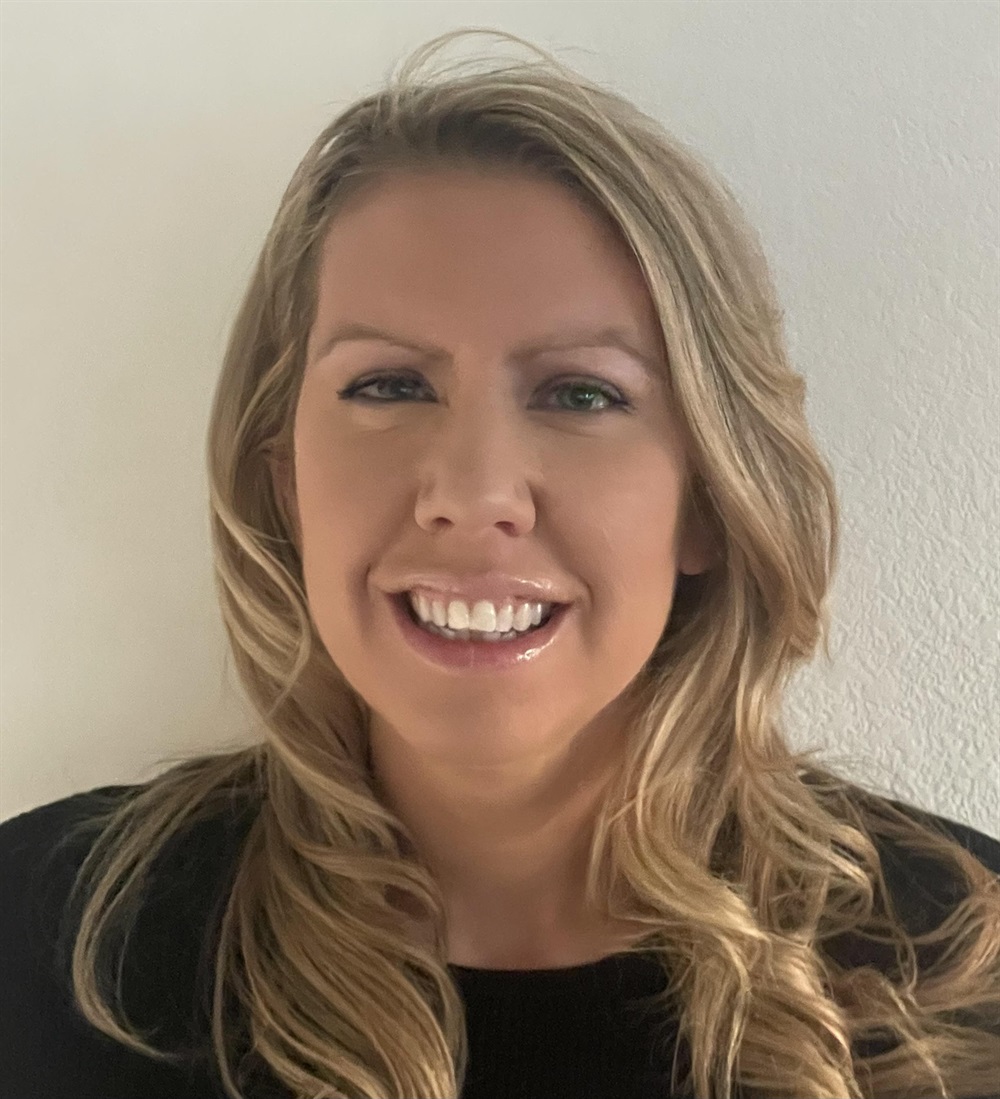
Erin Williams, PhD Related seminars and products
Dr. Erin Williams received her PhD in clinical psychology from City University of New York-Graduate Center in New York City. She completed her APA-accredited internship at Rutgers University (formerly University of Medicine and Dentistry of New Jersey) and is a licensed psychologist in the state of Nevada. Currently, Dr. Williams is the associate director of clinical services at University of Nevada, Las Vegas.
Dr. Williams has worked in a variety of settings including hospitals, community mental health centers, correctional facilities, and most recently university counseling centers. Dr. Williams has been an adjunct professor for several years, teaching both undergraduate and graduate courses at John Jay College of Criminal Justice. Additionally, Dr. Williams was an academic trainer for six years at Center for Urban Community Solutions (CUCS), where she provided trauma-based training for those working with mental illness within criminal justice populations.
Dr. Williams primarily utilizes a Cognitive Behavioral Therapy (CBT) and Dialectical Behavioral Therapy (DBT) approach to her clinical work. Her clinical interests include trauma, emotion dysregulation, personality disorders, anxiety, and depression.
Speaker Disclosures:
Financial: Erin Williams has employment relationships with the University of Nevada, the City University of New York at John Jay College of Criminal Justice, and the Center for the Study of Anorexia and Bulimia. She receives a speaking honorarium from PESI, Inc. She has no relevant financial relationships with ineligible organizations.
Non-financial: Erin Williams has no relevant non-financial relationships.
Additional Info
Questions?Visit our FAQ page at www.pesi.com/faq or contact us at www.pesi.com/info
Objectives
- Identify the different types of violence
- Identify risk & protective factors for targeted violence
- Integrate knowledge of violence risk into therapeutic work
- Choose 1 new skill to use in clinical work with individuals experiencing violence risk
- Identify the short- and long-term mental health needs of the campus after a critical incident
- Determine three strategies to better support the mental health of clinic staff as they respond to university mental health needs following a crisis
- Utilize three evidence-based interventions for campus healing following a critical incident including indigenous and non-western healing practices
- Identify two strategies to better support students who were uniquely affected because of their identities following a critical incident
Outline
Part 1: Brett Scofield, John Mitchell
- Definition and statistics on violence
- Violence risk and protective factors, including a framework for conducting an assessment
- Intervention and treatment strategies for working with students experiencing violence risk
- Q&A
Part 2: Emily Slife, Erin Williams, Mia Zamora
- Description of the shooting incidents
- Short and Long-Term Impacts on students, the community, and counseling center staff
- Changes to counseling services and utilization post-incident
- Intervention suggestions
- Lessons learned
- Self-care for staff and leadership
- Q&A
Target Audience
- Licensed Professional Counselors
- Addiction Counselors
- Art Therapists
- Marriage & Family Therapists
- Nurses
- Nurse Practitioners
- Social Workers
- Psychologists
- Psychiatrists
- Physicians
- Case Managers
- Educators
- Art Therapists
Reviews
Satisfaction Guarantee
Your satisfaction is our goal and our guarantee. Concerns should be addressed to: PO Box 1000, Eau Claire, WI 54702-1000 or call 1-800-844-8260.
ADA Needs
We would be happy to accommodate your ADA needs; please call our Customer Service Department for more information at 1-800-844-8260.
PESI Mobile App
Access CE trainings on your phone or tablet through our free mobile app. Choose video or audio-only versions of online courses from the world’s best instructors, and complete your CE requirements anywhere, anytime, at your own pace.




Please wait ...