
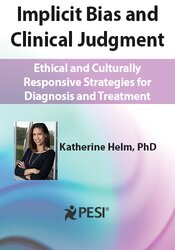
Implicit Bias and Clinical Judgment
Ethical and Culturally Responsive Strategies for Diagnosis and Treatment
- Speaker:
- Katherine Helm
- Duration:
- 2.25 Hours
- Product Code:
- LWC151173
- Brochure Code:
- PWZ97187
- Media Type:
- Live Webinar - Also available: Digital Seminar

Description
- Catch bias before it distorts your diagnostic impressions, risk assessments, and treatment plans
- Prevent the misreads and ruptures that erode trust and end treatment early
- Put culturally responsive, trauma-informed strategies to work in session
No one is immune to implicit bias.
Not because you’re untrained. Not because you don’t care. And not because you intend to treat anyone unfairly.
Implicit bias operates outside our conscious awareness, influencing how we perceive, interpret, and respond to the people we serve.
In clinical practice, these assumptions can shape assessment, diagnosis, risk evaluation, treatment planning, and therapeutic relationships. When left unrecognized, bias can affect clinical decision-making and how clients experience their care.
Recognizing these biases and understanding how they influence our clinical judgment is essential to providing ethical, culturally responsive care.
In this training, Dr. Katherine Helm draws on more than 20 years of experience across psychiatric hospitals, community mental health, college counseling, and private practice to help clinicians identify how bias can show up in their work, understand its potential impact, and explore practical strategies to address it.
You’ll leave with actionable tools to strengthen cultural responsiveness, inform clinical decision-making, and support more equitable care.
Register today!
Credit
Speaker
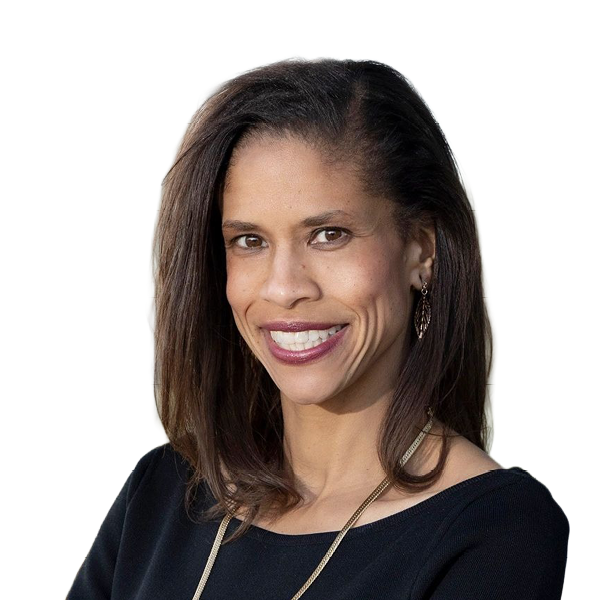
Katherine Helm Related seminars and products
Dr. Katherine Helm is a professor of psychology and director of graduate programs in counseling at Lewis University, Romeoville, IL. She is a sought-after author, public speaker, professional trainer, and clinical supervisor. Katherine is a couple’s therapist who also sees individuals in counseling. She has authored several publications about racial and cultural issues in mental health, couple’s issues, and has an extensive background in facilitating counselor trainings. Katherine has had several on-air and on-screen media appearances, including a TEDx Talk focused on romantic relationships.
Speaker Disclosures:
Financial: Katherine Helm has employment relationships with Lewis University and Fox Valley Institute. She receives a speaking honorarium from Psychotherapy Networker and PESI, Inc. She has no relevant financial relationships with ineligible organizations.
Non-financial: Katherine Helm is a member of the American Counseling Association, the American Psychological Association, the Illinois Counseling Association, and the Association of Black Psychologists.
Additional Info
Access Period for Live WebcastYou will have access for 90 days after the program for review. For live CE credit, you must watch the live webcast in its entirety at its scheduled time and complete the CE quiz and evaluation within one week. Please note that this requirement may vary by credit type. Please see detailed credit information for specific requirements for each credit type.
Webcast Schedule
Please note: A more detailed schedule is available upon request.
Questions?
Visit our FAQ page at www.pesi.com/faq or contact us at www.pesi.com/info
Objectives
- Analyze the impact of implicit bias on clinical assessment, diagnosis, therapeutic alliance, and treatment planning.
- Evaluate how sociocultural factors, systemic inequities, and unconscious cognitive processes influence clinical decision-making.
- Apply culturally responsive, ethically grounded, and evidence-based strategies to reduce the influence of implicit bias in psychotherapy.
Outline
Implicit Bias in Clinical Practice
- How implicit bias develops and operates within clinical settings
- Psychological and neurocognitive mechanisms underlying unconscious attitudes and associations
- How these processes quietly shape clinical judgment
Impact on Diagnosis, Assessment, and Treatment
- Over-pathologizing of culturally normative behavior and what it costs clients
- Underdiagnosis or minimization of trauma and mood disorders in marginalized populations
- Disparities in pain assessment, suicide risk evaluation, and referral practices
- Microaggressions and communication barriers that erode trust, weaken the alliance, and lead to premature termination
Systemic and Sociocultural Factors
- Historical and systemic forces behind mental health care disparities
- Current research on racial and ethnic disparities in diagnosis and treatment
- How identity, privilege, and oppression shape client experience
- The latest ethics and anti-bias standards from APA, ACA, AAMFT, and NASW
Culturally Responsive Strategies and Facilitation: Awareness Alone Doesn’t Sustain Change
- Culturally responsive, trauma-informed strategies for reducing bias in practice
- Reflective supervision, consultation, and self-assessment as ongoing accountability
- Build validating therapeutic environments for clients across diverse backgrounds
- What the research shows, and doesn’t yet show, about reducing implicit bias
Target Audience
- Counselors
- Psychologists
- Case Managers
- Therapists
- Marriage & Family Therapists
- Social Workers
- Other Mental Health Professionals



Reviews
Satisfaction Guarantee
Your satisfaction is our goal and our guarantee. Concerns should be addressed to: PO Box 1000, Eau Claire, WI 54702-1000 or call 1-800-844-8260.
ADA Needs
We would be happy to accommodate your ADA needs; please call our Customer Service Department for more information at 1-800-844-8260.
PESI Mobile App
Access CE trainings on your phone or tablet through our free mobile app. Choose video or audio-only versions of online courses from the world’s best instructors, and complete your CE requirements anywhere, anytime, at your own pace.




Please wait ...