
Connection, Communication, and Intimacy in Neurodiverse Couples Counseling
- Speaker:
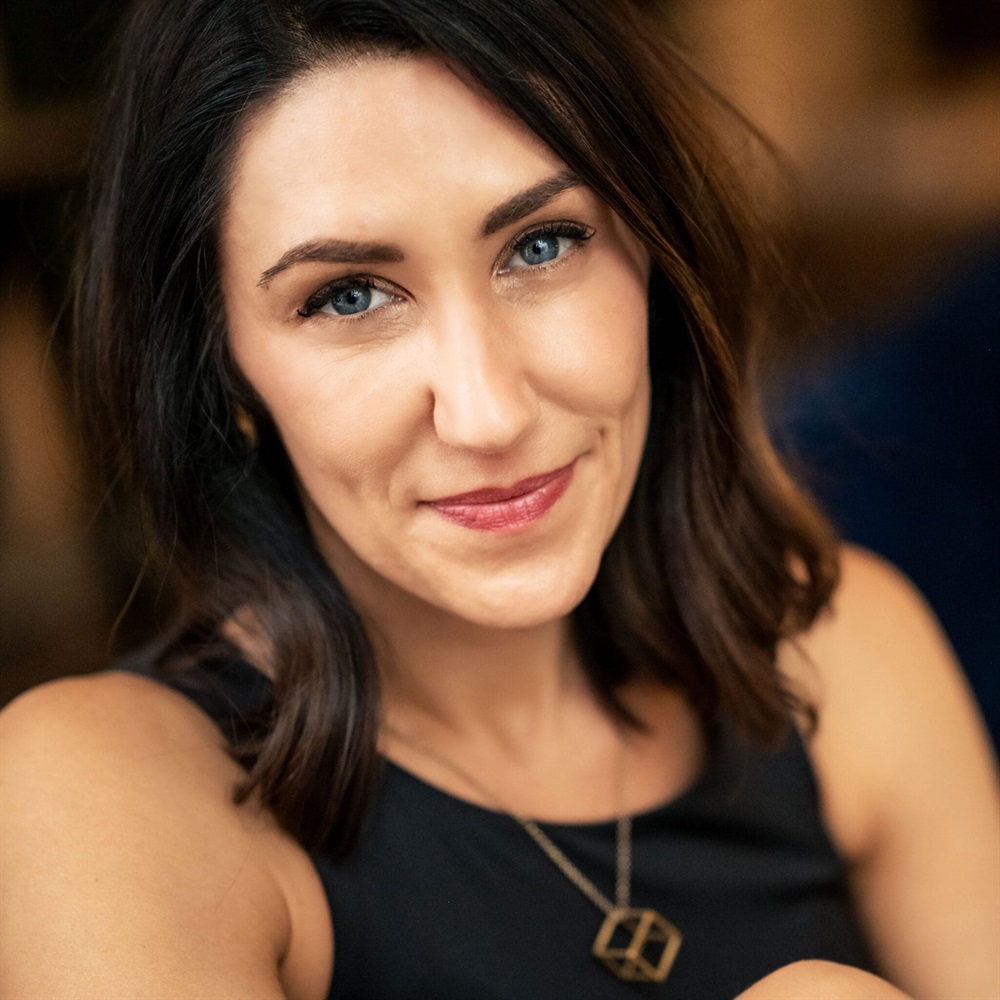
- Kory Andreas, LCSW-C
- Duration:
- 2 Hours
- Format:
- Audio and Video
- Copyright:
-
May 07, 2026
- Product Code:
- POS150765
- Media Type:
- Digital Seminar

Description
Discover neurodiversity-affirming frameworks and practical tools that help mixed-neurotype couples navigate sensory, communication, and relational differences to build stronger understanding, trust, and authentic connection.
- Affirming approaches to sexuality, gender, and relationship diversity
- Tools to enhance empathy, intimacy, and communication
- Support strategies for nontraditional relationship structures
- Frameworks that foster safety, shared language, and mutual regulation
Credit
Additional Info
Access for Self-Study (Non-Interactive)Access never expires for this product.
Questions?
Visit our FAQ page at www.pesi.com/faq or contact us at www.pesi.com/info
Additional CE Info
For a more detailed outline that includes times or durations of time, if needed, please contact cepesi@pesi.com.
Objectives
- Recognize how Neurodivergent individuals uniquely experience connection, intimacy, and communication in relationships, including the impact of sensory needs, anxiety, and special interests.
- Identify inclusive frameworks and practical tools that enhance communication, intimacy, and mutual regulation in mixed-neurotype couples.
- Evaluate why traditional couples therapy often fails Neurodiverse couples and apply alternative, neurodiversity-affirming strategies that address their specific relational needs.
Outline
Rethinking Autism, Gender, and Clinical Language
- Distinctions between medical and social models of Autism and relevance in therapeutic contexts
- Exclusion of high-masking clients in traditional diagnostic criteria, especially women, AFAB, and gender-diverse individuals
- Inclusive terminology and evolving language of identity in affirming therapy
- Risk/Limitations: Limitations of current diagnostic tools and risks of reinforcing masking
Intersectionality in Autism and Gender Identity
- Research on co-occurrence of Autism and gender-diverse identities
- Clinical pitfalls: misdiagnosis, invalidation, masking reinforcement
- Gender-based relational themes: oversharing, mental rehearsals, object-based connection
- Affirming strategies for integrating gender identity and Autism in care
Neurodivergent Relationship Structures and Intimacy
- Nontraditional relational frameworks: queerplatonic partnerships, ethical non-monogamy, modified cohabitation
- Sensory-based needs in intimacy: scripting, sensory accommodations, pacing
- Autistic expressions of desire: asexuality, allosexuality, responsive desire
- Client examples illustrating themes in neurodiverse relationships
Clinical Tools for Communication, Consent, and Connection
- Scripting techniques, post-intimacy processing, communication scaffolding
- Sensory tools: sensory scales, body-based self-awareness, aftercare plans
- Substance use as sensory management with caution and nuance
- Trauma-informed, affirming approaches to consent and connection
- Risk/Limitations: Lack of inclusive research on Autistic sexuality; need for individualized care
Target Audience
- Counselors
- Educators
- Marriage and Family Therapists
- Occupational Therapists
- Physical Therapists
- Physicians
- Psychologists
- Social Workers
- Speech-Language Pathologists



Reviews
Satisfaction Guarantee
Your satisfaction is our goal and our guarantee. Concerns should be addressed to: PO Box 1000, Eau Claire, WI 54702-1000 or call 1-800-844-8260.
ADA Needs
We would be happy to accommodate your ADA needs; please call our Customer Service Department for more information at 1-800-844-8260.
PESI Mobile App
Access CE trainings on your phone or tablet through our free mobile app. Choose video or audio-only versions of online courses from the world’s best instructors, and complete your CE requirements anywhere, anytime, at your own pace.




Please wait ...