
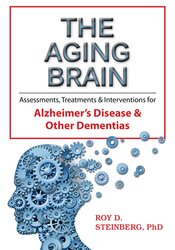
The Aging Brain
Assessments, Treatments & Interventions for Alzheimer’s Disease & Other Dementias
- Speaker:
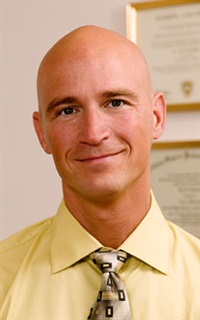
- Roy D. Steinberg, Ph.D.
- Duration:
- 6 Hours 08 Minutes
- Format:
- Audio and Video
- Copyright:
-
May 01, 2020
- Product Code:
- POS062655
- Media Type:
- Digital Seminar - Also available: DVD

Description
Individuals with dementia interact with a variety of professionals including nursing staff, psychologists, counselors, social workers, OTs, PTs, SLPs, home health aides, adult day center staff, and first responders.
But whatever your profession, proper skills and understanding of the disease is needed to work with this population. Without the appropriate training, safety risks grow and opportunities to improve care and quality of life are missed.
This essential training program will provide you with the tools, strategies, and practices you need to best serve patients facing Alzheimer’s disease and other dementias.
In just one day you’ll learn how you can better assess for and differentiate between different types of dementias, overcome the communication issues that can obstruct quality care, work more collaboratively with family and caregivers, maximize daily functioning, and safely and effectively intervene when difficult behaviors arise.
Best of all, upon completion of this training, you'll be eligible to become an Evergreen Certified Dementia Care Specialist (ECDCS) through Evergreen Certifications, letting colleagues, employers, and caregivers know that you've invested the extra time and effort necessary to understand the complexities of the disease, build essential skills, and employ safe and effective best practices to provide quality care (visit www.evergreencertifications.com/ecdcs for details).
Purchase today! You can’t afford to miss out on this chance to get the skills, tactics, and knowledge you need to provide the best care possible for these patients!
BECOME CERTIFIED!
Completion of this training fulfills the educational requirements should you choose to apply for certification as an Evergreen Certified Dementia Care Specialist (ECDCS) – Visit www.evergreencertifications.com/ecdcs for professional requirements.
Credit
Additional Info
Access for Self-Study (Non-Interactive)Access never expires for this product.
Questions?
Visit our FAQ page at www.pesi.com/faq or contact us at www.pesi.com/info
Objectives
- Analyze the impact of dementia on brain structure and function, and determine the difference between “normal forgetfulness” and cognitive impairment.
- Differentiate dementias from one another by identifying manifestations of each type.
- Articulate differences between the Folstein Mini-Mental Status examination and SLUMS and effectively utilize them as screening measure tools for cognitive impairment and dementia.
- Employ adaptable behavioral interventions that can provide patients with individualized care and promote more effective participation in therapy.
- Investigate the concept of caregiver guilt and its implications for the client, clinicians, and those caring for older adults with dementia.
- Correlate patients’ strengths and limitations to potential therapeutic approaches when developing treatment plans for older adults with dementia.
Outline
Mental Health Evaluation- Depression
- Anxiety
- Alcohol Abuse
- Transient Cognitive Decline
- Pre-cursor to dementia
- Mild Neuro-Cognitive Disorder
- Alzheimer’s
- Vascular
- Parkinson’s
- Lewy Body
- Frontotemporal
- Reversible Conditions
- Mini-Mental State Examination
- SLUMS
- Clinical applications
- Administration and scoring
- Objective and subjective interpretation
- Therapy modalities
- Clinical indicators of depression and anxiety
- Practical application
- Early and Mid-stage Alzheimer’s – Acetylcholinesterase Inhibitors
- Mid and Late-stage Alzheimer’s – Neurotransmitter Glutamate
- Alternate interventions
- Intervention strategies for depression, poor appetite, verbal and physical combativeness, refusing ADL care
- Strategies for coping mechanisms for the caregiver and clinician
- Caregiver guilt
- Depression
- Responsibility to patient
- Reporting abuse
- Power of Attorney
- Documentation
Target Audience
- Social Workers
- Psychologists
- Occupational Therapists
- Physical Therapists
- Nurses
- Speech-Language Pathologists
- Counselors
- Nursing Home Administrators
- Assisted Living Facility Administrators
- Long Term/Acute Care Professionals
- Case Managers
- Marriage & Family Therapists



Reviews
| 5 |
|
| 4 |
|
| 3 |
|
| 2 |
|
| 1 |
|
Overall: 4.9
Total Reviews: 41
Satisfaction Guarantee
Your satisfaction is our goal and our guarantee. Concerns should be addressed to: PO Box 1000, Eau Claire, WI 54702-1000 or call 1-800-844-8260.
ADA Needs
We would be happy to accommodate your ADA needs; please call our Customer Service Department for more information at 1-800-844-8260.
PESI Mobile App
Access CE trainings on your phone or tablet through our free mobile app. Choose video or audio-only versions of online courses from the world’s best instructors, and complete your CE requirements anywhere, anytime, at your own pace.




Please wait ...