
2-Day Intensive Training: Mindfulness Certification Course, 4/5/2022 12:00:00 AM CDT, Digital Seminar More info »
2-Day Intensive Training: Mindfulness Certification Course, 4/5/2022 12:00:00 AM CDT, DVD More info »
2-Day Intensive Training: Mindfulness Certification Course
- Speaker:
- Debra Premashakti Alvis, PhD
- Duration:
- Two Full Days
- Format:
- Audio and Video
- Product Code:
- LWC056515
- Brochure Code:
- PWZ83823
- Media Type:
- Live Webinar - Also available: Digital Seminar | DVD
Description
This 2-day Certification training is your chance to become a Certified Mindfulness-Informed Clinician - Level 1 (CMC-1) and get the skills and guidance you need to successfully incorporate mindfulness practices into your treatment plans!
And unlike other Mindfulness Certification programs that are too expensive, too time consuming, and require extensive travel, this live webcast training is completely within your reach!
Dr. Debra Alvis is a clinical psychologist and expert on mindfulness who developed the Mind/Body Program at the University of Georgia. Dr. Alvis lectures and leads retreats around the world and her trainings have helped thousands of clinicians to integrate the richness of Mindfulness into therapy for greater clinical effectiveness.
Join her for this 2-day intensive live online training and get:
- How-to instruction on using mindfulness-based exercises with clients working through stress, anxiety, trauma, depression, anger, and addiction
- Specific guidance on using mindfulness with individuals and groups
- Feedback and tips on how you can strengthen your personal mindfulness practice
Sign up today, enhance your clinical practice, and fundamentally improve the lives of your clients as a Certified Mindfulness-Informed Clinician - Level 1 (CMC-1)!
BONUS!!!
Best of all, upon completion of this live training, you’ll be eligible to become a Certified Mindfulness-Informed Clinician – Level 1 (CMC-1) through Evergreen Certifications. Certification lets colleagues, employers, and clients know that you’ve invested the extra time and effort necessary to understand the complexities of using mindfulness in counselling. Professional standards apply. Visit www.evergreencertifications.com/cmc1 for details.
CERTIFICATION MADE SIMPLE!
- No hidden fees – PESI pays for your application fee (a $99.99 value)!
- Simply complete this live event and the post-event evaluation included in this training, and your application to be a Certified Mindfulness-Informed Clinician – Level 1 through Evergreen Certifications is complete.*
Attendees will receive documentation of CMC-1 designation from Evergreen Certifications 4 to 6 weeks following the program. *Professional standards apply. Visit www.evergreencertifications.com/cmc1 for professional requirements.
Credit
Speaker
Debra Premashakti Alvis, PhD Related seminars and products
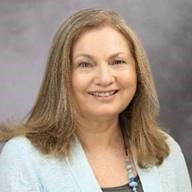
Debra Premashakti Alvis, PhD, is a licensed psychologist and private practitioner with over 30 years of clinical experience in supporting clients’ recovery from trauma, mood and relational concerns. Debra began working with parts of the self over three decades ago training extensively in Jungian oriented psychotherapy and contemplative approaches. She applied movement, mindfulness, and the expressive arts to explore parts of the self. She deepened her understanding of inner parts through multiple Internal Family Systems therapy educational trainings, combining her embodied contemplative approach with the IFS model. She finds that this integrative approach strengthens the self through facilitating the resolution of inner conflicts.
A seasoned international presenter and consultant, Dr. Alvis is a therapeutic yoga educator and mindfulness meditation teacher. She retired as faculty member from the University of Georgia where she developed and led the mind/body program. The program included a clinician training program integrating mindfulness, yoga and psychotherapy. A personal contemplative practice, research experience, and a deep understanding of Polyvagal Theory further enrich her presentations. She draws upon this unique background to provide effective, easily applicable skills designed for immediate integration into clinicians’ practices.
In addition to teaching, Dr. Alvis maintains a private practice and has more than 25 years of clinical experience in treating clients with a variety of conditions by mindfulness principles, body-oriented principles and traditional psychotherapeutic approaches. She also has an over 30-year personal contemplative practice.
Speaker Disclosures:
Financial: Debra Alvis maintains a private practice and receives a speaking honorarium from PSIvet, Ridgeview Institute, Twin Lakes Recovery Center, eCare, Essential Therapy Training, Alma, CEU Creations and Mountain Area Health Education Center. She is a paid consultant for Evergreen Certifications. Debra Alvis receives a speaking honorarium and recording royalties from PESI, Inc. She has no relevant financial relationships with ineligible organizations.
Non-financial: Debra Alvis is a member of the American Association of College Student Personnel, the Association for Contemplative Mind in Higher Education, the Association of Specialists in Group Work, the Athens Area Psychological Association, and the Georgia Psychological Association.
Additional Info
Access Period for Live WebcastFor live CE credit, you must watch the live webcast in its entirety at its scheduled time and complete the CE quiz and evaluation within one week. You will have access for 90 days after the program for review.
Webcast Schedule
Please note: There will be a lunch and two 15-minute breaks; one in the morning and one in the afternoon. Lunch and break times will be announced by the speaker and at their discretion. A more detailed schedule is available upon request.
Objectives
- Review the empirical support concerning the clinical applications of mindfulness.
- Utilize easy to understand language to describe how mindfulness affects the neurological processes underlying clinical disorders.
- Assess for potential contraindications for the use of mindfulness with clients.
- Apply mindfulness skills to strengthen the therapeutic alliance.
- Employ mindfulness practices to impact the stress reaction and shift clients to a relaxation response.
- Use the mindfulness skills of awareness and metacognition to counter automatic thought patterns related to anxiety and depression.
- Apply loving-kindness meditations to increase client well-being and relationship quality.
- Practice the use of R.A.I.N. (Recognize, Accept, Investigate, Non-Attachment) to identify triggers and work with cravings that could lead to addiction relapse.
- Utilize present-moment awareness and deep breathing practices to manage physiological and emotional anger responses.
- Employ grounding techniques and breathing exercises to increase feelings of safety in traumatized clients.
- Integrate brief mindfulness practices into clinical treatment to improve client engagement.
- Demonstrate the three steps of the Giving and Receiving Self-compassion practice to increase clinician presence and improve clinical outcomes.
- Adapt mindfulness practices for diverse populations to improve clinical efficacy.
Outline
Mindfulness and the Clinician:“Know What You Teach” and “Teach What You Know”
- Empirical support for improved symptomology and well-being
- The latest research on therapists who practice mindfulness
- Your mindfulness practice and how you can embody mindfulness
- Situations that may contraindicate applying mindfulness in session
- Research limitations
Easy to Use Strategies to Enhance Motivation in Therapy
- Mindfulness vocabulary
- Visuals and metaphors to explain mindfulness
- Motivate clients with neuroplasticity
Build Presence, Trust and Empathetic Connection with Clients
- Overcoming barriers
- Affect regulation techniques for therapist and client
- Strategies to create empathetic connection
- Exercises to build clients trust in themselves
Formal and Informal Mindfulness Practices
- Tips for teaching clients about the senses and awareness
- Strategies to shift from “Automatic Pilot”
- Skill building interventions to increase responsiveness & reduce reactivity
- Strategies to cultivate attunement
- Approaches for deepened experience of mindfulness
- Brief and other informal practices
- How to adapt practices to special populations
- Effectiveness of group vs. individual mindfulness
- How to set up and conduct a mindfulness group
- Screening for individual goodness of fit
- Encouraging client buy-in and commitment to practice
- Mindfulness interventions specifically designed for groups
Mindfulness Interventions to Relax the Body and Mind
- Breathing practices that break the rumination cycle
- Guided visualizations to lower the stress response
- Movement strategies
- Multi-sensory regulation techniques
- Mindfully reduce the intensity of panic attacks
Disempower Intrusive Thoughts
- Muscle tension releasing – exercises to counter fight or flight
- Guided meditations to disempower intrusive thoughts
- Grounding exercises and sample scripts
- Recognize self-criticism and respond with self-love
- Manage negative self-talk with awareness of thoughts
- Meditations to boost well-being
- Awareness vs. autopilot -- relapse prevention
- Mindfulness for triggers
- Emotional regulation for cravings
- Breathe through anger
- Distraction and grounding techniques
- Self-soothe with calming words and imagery
- Adapt mindfulness experiences with cultural sensitivity
- Assess appropriateness of mindfulness interventions for individuals
- Negotiate the treatment plan
- Right here/right now – stay in the moment to reduce anxieties
- Effective and healthy ways to manage your emotions
- Change limiting stories about caring for yourself
- Release the negative – 3 steps to countering negativity bias
Target Audience
- Counselors
- Social Workers
- Psychologists
- Marriage and Family Therapists
- Addiction Counselors
- Case Managers
- School Counselors
- Nurses
- Other Mental Health Professionals
Reviews
| 5 |
|
| 4 |
|
| 3 |
|
| 2 |
|
| 1 |
|
Overall: 5
Total Reviews: 3
Satisfaction Guarantee
Your satisfaction is our goal and our guarantee. Concerns should be addressed to: PO Box 1000, Eau Claire, WI 54702-1000 or call 1-800-844-8260.
ADA Needs
We would be happy to accommodate your ADA needs; please call our Customer Service Department for more information at 1-800-844-8260.
PESI Mobile App
Access CE trainings on your phone or tablet through our free mobile app. Choose video or audio-only versions of online courses from the world’s best instructors, and complete your CE requirements anywhere, anytime, at your own pace.




Please wait ...