
Disordered Eating Behaviors, 2/14/2023 12:00:00 AM CST, Digital Seminar More info »
Disordered Eating Behaviors, 2/14/2023 12:00:00 AM CST, DVD More info »

Disordered Eating Behaviors: Identify and Treat the Underlying Trauma
- Speaker:
- Lori Kucharski, PhD, LMFT-S, LPC, CEDS-S
- Duration:
- Full Day
- Format:
- Audio and Video
- Product Code:
- LWC054935
- Brochure Code:
- PWZ89816
- Media Type:
- Live Webinar - Also available: Digital Seminar | DVD
Description
As you perform your typical intake with a new client, you review their eating habits. There are indications of abnormal eating behaviors like yo-yo dieting and restrictive eating. The client guiltily says things like “I know I should eat heathier.”
Your guard is up, but you quickly move along when their problems don’t take the form of a full-blown eating disorder like anorexia or bulimia.
Non-DSM-5® disordered eating is more common than most clinicians realize, and these behaviors are frequently hiding something deeper –serving as a coping mechanism for the unresolved trauma that lies beneath. Without addressing the trauma behind the disordered eating, your client will fail to find the relief they seek.
Whether you specialize in eating disorders or not, now you can learn to assess and treat disordered eating from a trauma-informed, body-positive lens for improved outcomes! Lori Kucharski, PhD, LMFT-S, LPC, CEDS-S will guide you step-by-step through the skills and essential treatment techniques you need for every stage of therapy, including:
- Tools to sensitively and effectively gather accurate information about your clients’ disordered eating behaviors
- Interventions from EMDR, Polyvagal Theory, and more
- Insights from non-diet, body-positive paradigms to reframe clients’ damaging relationship with food
Sign up today to help your clients resolve their traumas and release unhealthy disordered eating behaviors with this powerful non-diet paradigm!
Credit
Speaker
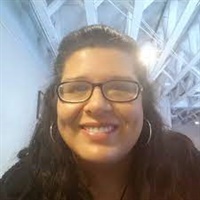
Lori Kucharski, PhD, LMFT-S, LPC, CEDS-S Related seminars and products
Lori Kucharski, PhD, LMFT-S, LPC, CEDS-S, is a licensed therapist practicing since 2004 in residential treatment facilities, crisis and outpatient mental health, and private practice. She owns and operates a training, consulting, supervision, and clinical practice. She is a Certified EMDR Therapist, Approved Consultant, and Training/Credit Provider as well as an AAMFT-Approved Supervisor, a Certified Eating Disorders Specialist/Supervisor, and the EMDR regional network coordinator for Colorado Springs, CO. She taught MFT and Counseling courses in graduate programs and specializes in complex trauma, attachment, disordered eating, dissociation, and body image with all ages from a systems perspective. She presents locally and nationally on these topics and advocates for ending social and cultural stigma and discrimination around body size, ability, and appearance.
Speaker Disclosures:
Financial: Dr. Lori Kucharski has an employment relationship with the EMDR Center of the Pikes Peak Region. She receives a speaking honorarium and recording royalties from PESI, Inc. She has no relevant financial relationships with ineligible organizations.
Non-financial: Dr. Lori Kucharski is a member of the American Association for Marriage and Family Therapy, the Colorado Association for Marriage and Family Therapy, EMDRIA, and the International Association of Eating Disorder Professionals.
Additional Info
Access Period for Live WebcastFor live CE credit, you must watch the live webcast in its entirety at its scheduled time and complete the CE quiz and evaluation within one week. You will have access for 90 days after the program for review.
Webcast Schedule
Please note: There will be a 70-minute lunch and two 15-minute breaks; one in the morning and one in the afternoon. Lunch and break times will be announced by the speaker and at their discretion. A more detailed schedule is available upon request.
Objectives
- Build a thorough understanding of childhood trauma, attachment, dissociation, and the researched, causal link to disordered eating.
- Utilize evidence-based, assessment tools and interventions for disordered eating, trauma, and dissociation, as well as spouses/partners and families/caregivers.
- Examine the history of eating disorder treatment, disordered eating in the United States, and the socio-political/cultural factors involved in disordered eating.
- Diagnose and treat non-DSM-5® disordered eating.
- Evaluate personal behaviors or counter-transference that could be impeding treatment efficacy.
- Apply case studies and conceptualization for incorporating body-positive terminology, awareness and intervention.
Outline
Prepare Yourself for Every Stage of the Therapy Process
- Intake strategies for successful therapeutic intervention
- Looking beyond anorexia, bulimia and bingeing
- Conclusive questions for improving your client intake
- Red flags of disordered eating
- Address common issues that may not be in DSM-5®: Orthorexia, compulsive overeating, diabulimia
- Digging for the roots: is the disordered behavior a result of previous trauma?
Implement Comprehensive Clinical Assessments
- How to choose the right assessment for your client
- Specific assessments for the spectrum of disordered eating and trauma
- Additional tools for depression, trauma, or other comorbid conditions
- How and when to use assessments for tracking progress
- Frequency considerations – get what you need without client burnout
- Collaboration within the treatment team
Techniques and Interventions to Transform Your Therapy
- Health at Every Size (HAES) and intuitive eating as non-diet paradigms to transform relationship with food
- Tools to facilitate respect, love, and nurturance for self
- Reframing your approach as the clinician
- Trauma-informed tactics for each stage of counselling
- Trauma specific evaluation of intake procedure: what NOT to say/do
- Goal: process and treat trauma and dissociation
- How to determine the appropriate order of interventions
- Strategies for avoiding re-traumatization and overwhelm
- EMDR to assist with stabilization
- IFS techniques to address clients’ internal states
- How to evaluate the window of tolerance
- Incorporation of polyvagal theory
- Attachment-focused work: self and others
- Art and sand tray interventions
- Journaling and logging
Put it all into Action: Implementation Considerations
- Overcome common blocks in therapy
- Systemic vs. individual: When to include family/partners
- Self of the therapist exercise: Countertransference, bias
- Case discussions and video demonstrations
- Effective documentation for ongoing treatment
- Limitations of the research and potential risks
Target Audience
- Counselors
- Social Workers
- Marriage & Family Therapists
- Psychologists
- Addiction Counselors
- Case Managers
- Registered Dietitians & Dietetic Technicians
- Nurses
- Other Mental Health Professionals
Reviews
| 5 |
|
| 4 |
|
| 3 |
|
| 2 |
|
| 1 |
|
Overall: 5
Total Reviews: 1
Satisfaction Guarantee
Your satisfaction is our goal and our guarantee. Concerns should be addressed to: PO Box 1000, Eau Claire, WI 54702-1000 or call 1-800-844-8260.
ADA Needs
We would be happy to accommodate your ADA needs; please call our Customer Service Department for more information at 1-800-844-8260.
PESI Mobile App
Access CE trainings on your phone or tablet through our free mobile app. Choose video or audio-only versions of online courses from the world’s best instructors, and complete your CE requirements anywhere, anytime, at your own pace.




Please wait ...