

Deb Dana delivers an exercise- and intervention-heavy training that will give you the tools you need to more effectively treat clients with a variety of mental health disorders, including PTSD, trauma, anxiety, depression, personality disorders, and more.

ADVANCE REGISTRATION DISCOUNT NOW AVAILABLE
Register today and save up to $200 – includes up to 12.5 CE hours
Applying Polyvagal Theory in your practice will be one of the most
transformational moments of your career!
Register today and save up to $200 – includes up to 12.5 CE hours
Applying Polyvagal Theory in your practice will be one of the most
transformational moments of your career!
Sadly, trauma clients are often stuck in a dysregulated state, struggling to shift from hyperarousal to calm or from overwhelm to feeling in control. They come to you longing to feel regulated in their daily lives.
But trauma isn’t healed through thought alone.
It requires evidence-based strategies that effectively promote regulation and build a sense of safety and connection for clients dealing with trauma-related dysregulation.
That’s why we’re inviting you to join Deb Dana, LCSW, a world-renowned expert and author on the clinical application of Polyvagal Theory (PVT), as she demonstrates how:
- The autonomic nervous system functions as an internal security system, influencing trauma responses
- To work with the autonomic nervous system to establish safety and more effective trauma treatment
- To identify patterns in your clients’ nervous system responses to guide treatment planning
- To tailor techniques to a client’s specific state of dysregulation
- Integrating PVT into your practice enhances traditional therapeutic modalities
- And so much more
Whether you attend live in Chicagoland or virtually from the comfort of home, this is your chance to learn from the highly acclaimed Deb Dana. Deb will be joined by longtime friend, colleague, and PVT expert Dr. Tina Zorger as you unlock the full potential of Polyvagal Theory to revolutionize your clinical practice and become a beacon of safety, resilience, and healing for your clients like never before!
Register now and join us in beautiful Chicagoland!
Polyvagal Theory in Action with Deb Dana, LCSW
Creating Safety & Connection with Trauma Clients
Creating Safety & Connection with Trauma Clients
May 13–14, 2027 • 8:00 am – 4:00 pm Central
Advance Registration Discount Available for a Limited Time!
Register by 4/19/27
Register by 4/19/27
Live in Downers Grove, IL
DoubleTree Suites by Hilton Hotel & Conference Center Chicago-Downers Grove
- Limited in-person seats available — book now!
- Earn up to 12.5 CE hours
- Get your questions answered by leading expert Deb Dana
- Network with peers live in person
Live Online
Broadcast live from Downers Grove, IL
- Earn up to 12.5 CE hours
- Join from home or the office
- Get your questions answered by leading expert Deb Dana
- Network with peers from across the country
Can’t attend these dates? Order the self-study version here!
Click here to register as the coordinator for this event.
Click here to register as the coordinator for this event.
Honed over 14 years, Deb will guide you through techniques, experiential group activities, live demonstrations, and hands-on skills training so you can confidently:
- Help clients use their nervous system to create a sense of safety
- Help clients improve their ability to connect by using their Social Engagement System for better co-regulation and relationships
- Identify patterns in your clients’ nervous system responses to guide your treatment planning
- Recognize your role in helping regulate your clients’ nervous systems and how this benefits their therapy outcomes
- Find effective ways to intervene in the autonomic nervous system to establish safety and treat trauma
- Use the right number of neural exercises to help clients shift their nervous systems toward safety and connection
- Help clients repair social connections after conflicts, which is crucial for their healing
- Develop a clinical practice guided by Polyvagal Theory, based on proper assessment and treatment planning
- Educate your clients on the basics of Polyvagal Theory with easy-to-understand language
- And more!
“…Deb Dana brilliantly transforms a neurobiologically-based theory into clinical practice and Polyvagal Theory comes alive.”
–Stephen W. Porges, PhD, Originator of Polyvagal Theory
–Stephen W. Porges, PhD, Originator of Polyvagal Theory
What You’ll Learn During This 2-Day Training!
Event Schedule
8:00 am – 4:00 pm Central | Lunch 11:50 am – 1:00 pm Central (on your own)
8:00 am – 4:00 pm Central | Lunch 11:50 am – 1:00 pm Central (on your own)
Essentials of Polyvagal Theory
- The evolution of the autonomic nervous system
- How trauma shapes ways the body responds
- Three organizing principles of Polyvagal Theory:
- Neuroception: Detection without perception
- Hierarchy: Three predictable pathways of response
- Co-regulation: The biological imperative
Neuroception and the Shaping of Autonomic Pathways
- How the internal surveillance system works
- Identifying cues of safety and danger
- Connecting to our innate autonomic wisdom
- Understanding patterns of protection and connection
- Moving from neuroception to awareness
- Using the Safety/Danger Equation to resource patterns of connection
Navigate the Autonomic Hierarchy
- Exploring three autonomic circuits
- Sympathetic mobilization
- Ventral vagal connection
- Dorsal vagal collapse
- How trauma shapes biology
- Moving between states
- Introduction to autonomic mapping
- Creating skill with the Notice and Name practice
The Social Engagement System
- The five elements of the Social Engagement System
- What happens when parts of the system are unavailable?
- Using the Social Engagement System to regulate states
- How to “exercise” the Social Engagement System
Tracking Autonomic States
- Seeing patterns over time
- Use micro-moments to resource change
- Explore the blended states of play and stillness
- Create autonomic anchors
- Using continuums to track changes within a state
Meeting the Biological Need for Connection
- Creating safety in co-regulation
- Ways to use your autonomic state as a co-regulating resource
- Noticing moments of misattunement and making a repair
Shaping the Autonomic Nervous System Toward Safety
- Identify portals of intervention
- Using breath as a regulator
- Resourcing new patterns through movement
- Exploring the autonomic response to touch
- Using autonomic imagery
- Exploring the stretch to stress continuum
- Building safety with breath, movement, and imagery
- Writing new autonomic stories
Incorporating Polyvagal Theory in Clinical Practice
- Getting comfortable teaching Polyvagal Theory to clients
- Tracking the flow of a Polyvagal-guided clinical session
- Polyvagal-guided assessment and treatment planning
- Polyvagal Theory and Phase I trauma treatment
Responsibilities of a Polyvagal-Guided Therapist
- The guiding questions
- Ethical considerations
- Research limitations and potential risks
Polyvagal Theory in Action with Deb Dana, LCSW
Creating Safety & Connection with Trauma Clients
Creating Safety & Connection with Trauma Clients
May 13–14, 2027 • 8:00 am – 4:00 pm Central
Advance Registration Discount Available for a Limited Time!
Register by 4/19/27
Register by 4/19/27
Live in Downers Grove, IL
DoubleTree Suites by Hilton Hotel & Conference Center Chicago-Downers Grove
- Limited in-person seats available — book now!
- Earn up to 12.5 CE hours
- Get your questions answered by leading expert Deb Dana
- Network with peers live in person
Live Online
Broadcast live from Downers Grove, IL
- Earn up to 12.5 CE hours
- Join from home or the office
- Get your questions answered by leading expert Deb Dana
- Network with peers from across the country
Can’t attend these dates? Order the self-study version here!
Click here to register as the coordinator for this event.
Click here to register as the coordinator for this event.
See What Your Colleagues Are Saying About Deb Dana’s Training!

“Deb was wonderful. I learned so much and this really opened my eyes to quite a shift in thinking about human beings and especially in therapy.”
Dianne W. · Counselor
“Deb is a knowledgeable and engaging presenter. It will help me think about my clients and their reactions in a different way.”
Shari B. · Social Worker
“Absolutely wonderful…I have been in practice for 25 years; I feel like this is a foundational piece that has been missing and will revolutionize my practice. Thank you, Deb!”
Anya G. · MFT
“Life changing. Thank you, Deb!”
Denise D. · Counselor
“Thank you…I needed this! Deb was smooth, professional, supportive, and safe.”
Jaci B. · Counselor
Meet Your Trainers

Deb Dana, LCSW
Deb Dana, LCSW, is a clinician and consultant specializing in using the lens of Polyvagal Theory to understand and resolve the impact of trauma and create ways of working that honor the role of the autonomic nervous system. She developed the Rhythm of Regulation Clinical Training Series and lectures internationally on ways Polyvagal Theory informs clinical work. She is a founding member of the Polyvagal Institute, a clinical advisor at Khiron Clinics, and an advisor to Unyte.
Deb is the author of The Polyvagal Theory in Therapy: Engaging the Rhythm of Regulation (Norton, 2018), Polyvagal Exercises for Safety and Connection: 50 Client-Centered Practices (Norton, 2020), Befriending Your Nervous System (Sounds True, 2020), Anchored: How to Befriend Your Nervous System Using Polyvagal Theory (Sounds True, 2021), co-editor of Clinical Applications of the Polyvagal Theory: The Emergence of Polyvagal-Informed Therapies (Norton, 2018), and creator of the Polyvagal Flip Chart (Norton, 2020).
To learn more, visit rhythmofregulation.com or polyvagalinstitute.org.
Information about Deborah Dana
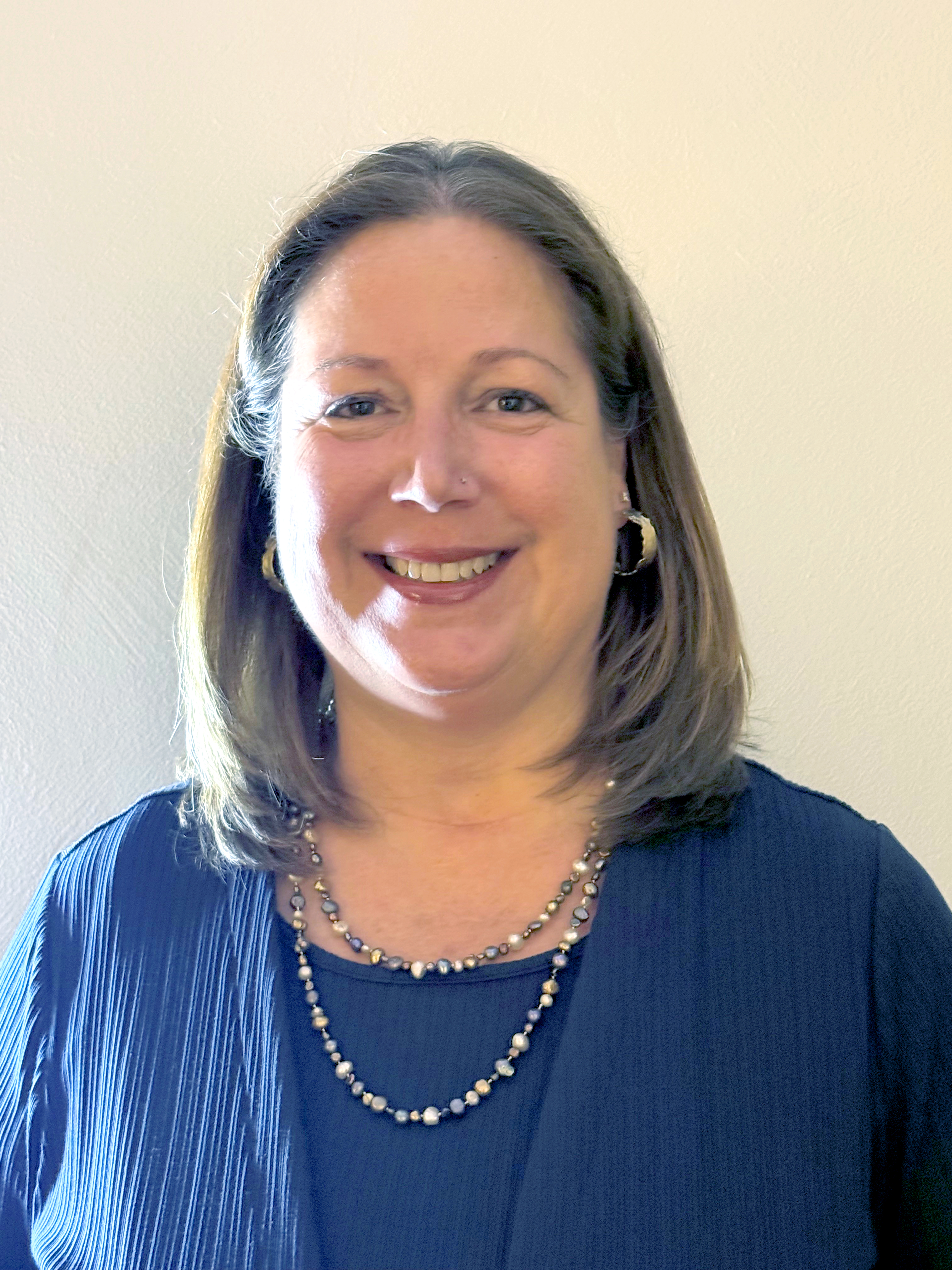
Tina Zorger, PsyD
Tina Zorger, PsyD, is the Assistant Director of Deb Dana’s Foundations trainings. Dr. Zorger has had a pivotal role in helping create the training series and with supporting Deb and participants during Polyvagal workshops and retreats over many years. She has over 25 years of clinical experience at her private practice with a focus on treating trauma and providing Polyvagal consultation.
Information about Tina Zorger
Information about Tina Zorger
Reserve your room now!
When you book your stay at the DoubleTree Suites by Hilton Hotel & Conference Center Chicago-Downers Grove, you’ll be just steps away from the conference room, with a spacious suite to come back to at the end of each training day. Getting here is easy, too, since the hotel sits just 16 miles from Chicago O’Hare International Airport and offers complimentary on-site parking for those who’d rather drive.
Between sessions you can grab a Starbucks in the Lobby Lounge, unwind in the indoor pool and whirlpool or the fitness center, and enjoy made-from-scratch Italian cuisine at Osteria by Capri. Step outside and the western suburbs open up around you, with the 1,700-acre Morton Arboretum just a mile down the road, the shops and restaurants of Oakbrook Center and Yorktown nearby, and Brookfield Zoo only 7 miles away. And when you’re ready for a taste of the city, downtown Chicago’s lakefront, museums, and world-famous dining are just a short drive or train ride away, making this the perfect home base to learn, recharge, and explore!
DoubleTree Suites by Hilton Hotel & Conference Center Chicago-Downers Grove
2111 Butterfield Rd, Downers Grove, Illinois 60515, United States
(630) 971-2000
2111 Butterfield Rd, Downers Grove, Illinois 60515, United States
(630) 971-2000
Polyvagal Theory in Action with Deb Dana, LCSW
Creating Safety & Connection with Trauma Clients
Creating Safety & Connection with Trauma Clients
May 13–14, 2027 • 8:00 am – 4:00 pm Central
Advance Registration Discount Available for a Limited Time!
Register by 4/19/27
Register by 4/19/27
Live in Downers Grove, IL
DoubleTree Suites by Hilton Hotel & Conference Center Chicago-Downers Grove
- Limited in-person seats available — book now!
- Earn up to 12.5 CE hours
- Get your questions answered by leading expert Deb Dana
- Network with peers live in person
Live Online
Broadcast live from Downers Grove, IL
- Earn up to 12.5 CE hours
- Join from home or the office
- Get your questions answered by leading expert Deb Dana
- Network with peers from across the country
Can’t attend these dates? Order the self-study version here!
Click here to register as the coordinator for this event.
Click here to register as the coordinator for this event.
Frequently Asked Questions
This training is for all clinicians — trained in Polyvagal Theory or not.
This event is specifically designed for:
- Counselors
- Social Workers
- Psychologists
- Case Managers
- Addiction Counselors
- Marriage and Family Therapists
- Nurses
- Other Mental Health Professionals
Review the credit details to confirm whether CE hours are available for you.
The training will happen live on Thursday and Friday, May 13–14, 2027.
The morning session runs 8:00 am–11:50 am with a 15-minute break, followed by lunch from 11:50 am–1:00 pm.
The afternoon session runs 1:00 pm–4:00 pm with a 15-minute break.
All times are listed in Central Time.
If you can’t attend live, register for the self-study training instead. You can pause, replay, and review the materials on your own schedule. Order the self-study training here! Get immediate access to the training and earn up to 12.5 self-study CE hours.
Please note: For live CE credit, you must watch the live presentation in its entirety at its scheduled time and complete the CE quiz and evaluation within one week. This requirement may vary by credit type; please see detailed credit information for specific requirements.
Bring your questions! Deb will answer as many questions as time allows. You’re encouraged to chat and collaborate with other participants throughout the presentations as well.

Event Countdown
0
Days
:
0
Hours
:
0
Minutes
:
0
Seconds
100% Satisfaction Guarantee
Register for this intensive training course without risk. If you’re not completely satisfied, contact us right away.We’re that confident you’ll find this learning experience to be all that’s promised and more than you expected.