
Symptom overlap with other conditions. Overshadowed by comorbidities. Internal symptoms clients don't report.
OCD is a master of disguise. And even trained professionals miss it.
And treatment?
You need to be ready to work with everything from violent and taboo sexual obsessions that can make you freeze...
...to perinatal OCD, relationship OCD and OCD in neurodivergent clients that need skilled adaptation to your tools and tactics.
But with the right training, you can identify and treat OCD with skill and confidence.
That's exactly what you'll get at the 2027 OCD Treatment Conference.
Join 10 leading experts for 2 intensive days of learning and get the proven clinical tools, latest research, and newest strategies that will turn you into an OCD clinician who's ready to cut through diagnostic uncertainty and tackle whatever walks through your door.
Whether you work with adults, children, or teens, you'll leave with a complete, flexible toolkit of ERP, ACT, metacognitive and I-CBT tools you can use right away.
PLUS you'll get instant access to over 9 hours of on-demand bonus content as soon as you register...
...setting the stage for the conference if you're newer to OCD work or providing you a valuable refresher if you've been treating OCD for years.
Join us and hundreds of your colleagues at the 2027 OCD Conference — and leave inspired and ready to help your clients thrive.
ALL ACCESS PASS
- 90 day access to all sessions (replays and on-demand sessions)
- 2 on-demand sessions
- Up to 13.5 live CE hours and up to 9.25 self-study CE hours
- Dynamic panel discussion CE session
- Live Q&A with leading OCD experts
- Downloadable resources
Click here for Credit hours breakdown
Credit approvals may differ per session
Get the complete recording package
- Get unlimited access to every session for 12 full months
- Up to 22.75 Self-study CE hours
- Recorded Q&A
- Downloadable resources
Self-study CE hours and approvals may vary from live event
Content will be accessible for 12 months after the product becomes available.
Your registration is 100% risk-free. Cancel at any time for a complete refund.
Better identify OCD and pinpoint what's driving your clients specific presentation
Use ERP, ACT, I-CBT and metacognitive interventions that target doubt without feeding it
Confidently treat suicidal, harm, and taboo obsessions — even when the content is disturbing
Adapt treatment to work with neurodivergent and post-partum clients

Director of Center for OCD and Anxiety at Sheppard Pratt
Intrusive thoughts, repetitive behaviors, avoidance, reassurance-seeking, moral concerns, or rumination...
...most clinicians land on the same conclusion: it's OCD.
Sometimes they're right. But often only partly. And sometimes something else entirely is driving the presentation. If you don't know what you're working with, therapy can stall — or miss the mark completely.
Join Jon Hershfield to enhance your diagnostic skills, pinpoint what's driving your clients' presentation and set the stage for effective treatment.
You'll leave this session ready to:
- Differentiate OCD from anxiety, trauma-related, personality, and neurodevelopmental conditions
- Ask targeted questions that cut through diagnostic uncertainty
- Spot when compulsive-looking behaviors aren't OCD rituals at all
- Know when to modify, combine, or set aside standard ERP
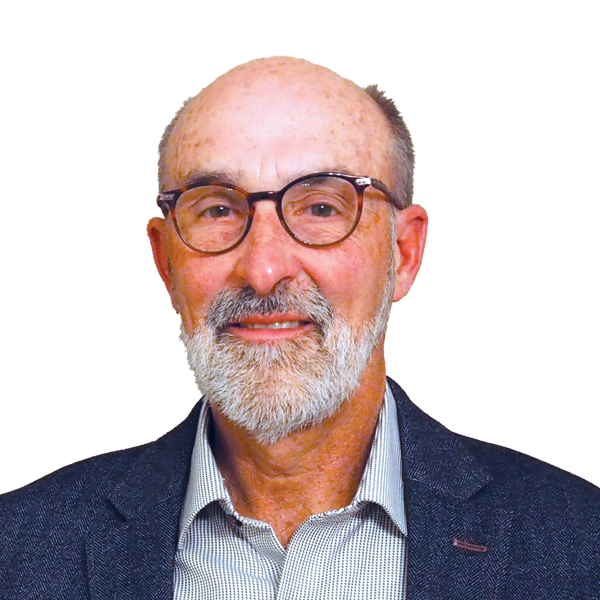
Author of Cognitive-Behavioral Therapy for OCD and Its Subtypes
Is it truly obsessions without rituals? A distinct subtype? Or something else?
Drawing on decades of research and clinical work, Dr. David A. Clark cuts through the confusion on “Pure O” and separates what we actually know from the myths...
...then provides you with the tools, step-by-step instruction and case illustrations you need to work through the feared self, thought-action fusion, ego-dystonicity, and more.
You'll leave this session ready to:
- Correct the misconceptions that lead treatment astray
- Know why and when conventional ERP may be contraindicated
- Use CBT interventions that target the specific features of pure obsessions

ACT trainer, professor and Co-Author of ACT in Practice
When clinicians focus primarily on reducing unwanted thoughts, feelings, and urges they can fall into OCD's central trap: the harder you fight a thought, the tighter its grip.
Acceptance and Commitment Therapy offers you an evidence-based framework to help clients change their relationship with OCD and respond more flexibly to obsessions, uncertainty, distress, and compulsive urges.
In this session, ACT expert and author Dr. DJ Moran, whose work has been endorsed by ACT co-developer Steven Hayes, shows you how.
You'll leave this session ready to:
- Shift the goal of treatment from reducing anxiety to increasing willingness and flexible responding
- Use ACT tools to help clients reduce ritualized avoidance and engage more fully in exposure work
- Help clients choose values-based action instead of compulsions that function as short-term relief strategies

OCD can turn faith into fear. But it's easy to get it wrong with these clients.
If we reassure or push too hard we can inadvertently feed the OCD cycle, pathologize normal faith practices or even have clients challenging their beliefs instead of the OCD cycle.
Join Amber N. Pilkington LPC-S for the assessment tools, adapted exposure and response prevention, ACT, metacognitive and inference-based strategies you need to get treatment right.
You'll leave this session ready to:
- Distinguish scrupulosity from healthy religious devotion, religious trauma perfectionism, and moral injury
- Stop unknowingly reinforcing religious compulsions with reassurance
- Adapt treatment so it targets the disorder without targeting the faith
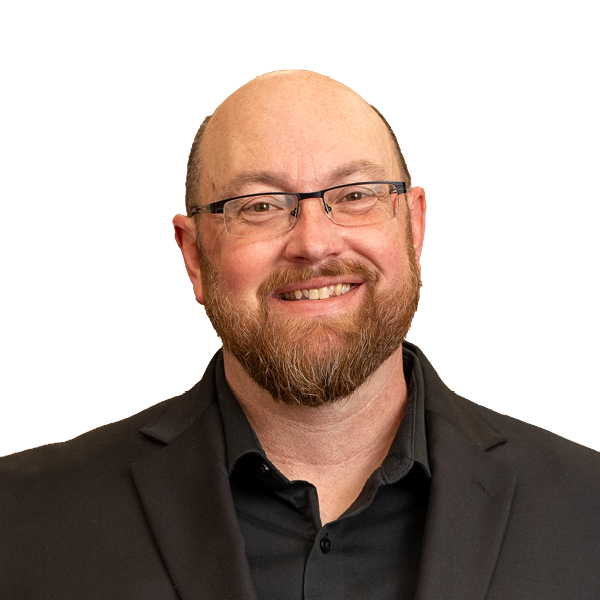
Award-winning educator and editor of Obsession-Compulsive Disorder: Etiology, Phenomenology, and Treatment
When OCD co-occurs with autism spectrum disorder overlapping features, communication differences and rigid thinking patterns can blur diagnostic lines and complicate even your most trusted interventions.
Join Dr. Caleb Lack as he helps you untangle the complexities and gives you the tools you need to deliver more effective, individualized care for children, adolescents and adults on the spectrum.
You'll leave this session ready to:
- Tell OCD rituals apart from autistic routines—and target the right symptoms
- Adapt ERP for autistic clients: adjust your language, pacing, and approach
- Work with sensory needs and rigidity instead of against them
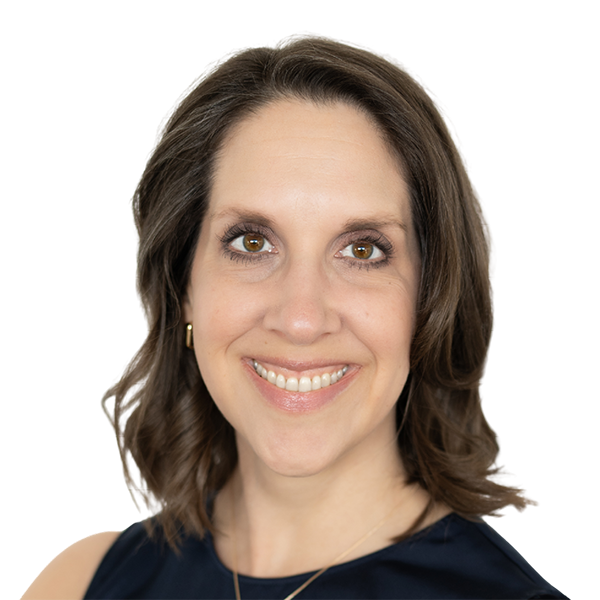
Clinician, researcher, and nationally recognized trainer
Unwanted thoughts of harming a loved one, violent images they can't shake, even taboo sexual obsessions.
They're enough to make even a seasoned clinician freeze — unsure whether you're looking at a symptom or a warning... and an OCD obsession misread as intent can end in an unnecessary hospitalization or a shattered therapeutic bond.
Join Dr. Ashley Smith for the clinical tools you need to help your clients break free.
You'll leave this session ready to:
- Differentiate obsessions from true risk of harming others, suicide or paraphilic interest
- Address suicidal, harm, pedophilic, and sexual obsessions openly and without shame
- Use in vivo, imaginal, and interoceptive exposures for taboo content
- Stay grounded when the content is graphic, disturbing, or hits close to home

Clinical psychologist and OCD specialist
"Is this the right person?" "How do I know for sure?" When clients ask, it feels so reasonable.
But if you don't recognize Relationship OCD, you can reinforce the very things that keep the obsession-compulsion cycle spinning.
Join Dr. Sonia Greaven and learn how to recognize Relationship OCD, sidestep common therapeutic missteps and treat it with evidence-based approaches.
You'll leave this session ready to:
- Tell the difference between Relationship OCD and genuine relationship red flags
- Spot the reassurance seeking, checking and avoidance that keep ROCD alive
- Deliver ERP and ACT interventions that target the doubt without feeding it
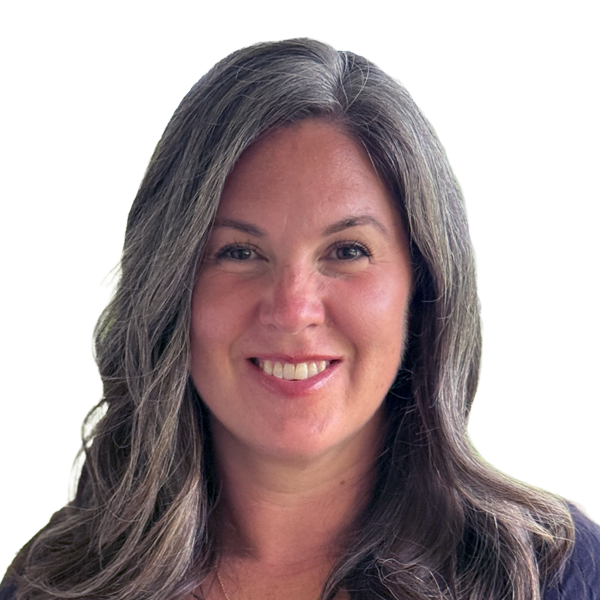
Co-founder of OCD Training School
The constant breathing checks? Looks like new-parent vigilance. The reassurance-seeking? Looks like anxiety. The intrusive thoughts about harming the baby? They don't mention those.
Perinatal OCD is easy to miss, easy to mislabel, and far more common than most clinicians realize.
Join Gina Abbondante, co-founder of the OCD Training School, as she shows you how to recognize perinatal OCD behind its disguises, distinguish it from postpartum depression and anxiety, and confidently adapt and deliver the evidence-based treatment these clients need.
You'll leave this session ready to:
- Spot the presentations of perinatal OCD that can be easy to miss
- Assess and differentiate perinatal OCD from postpartum depression, anxiety, and other look-alike conditions
- Adapt ERP, Metacognitive Therapy, and Inference-Based CBT for OCD to work with pregnant and postpartum clients
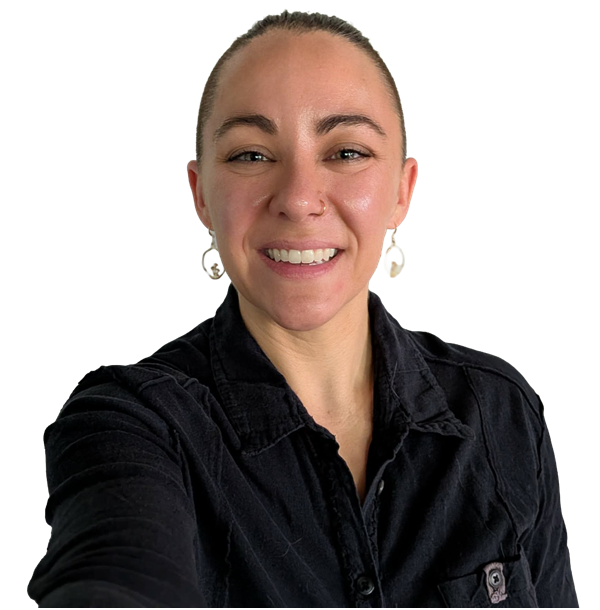

Featuring Katie Marrotte, LCSW | Click here for information about Katie Marrotte
Featuring Bronwyn Shroyer, LCSW | Click here for information about Bronwyn Shroyer
What if the key to effective OCD treatment wasn't needing clients to tolerate uncertainty?
It's effective, evidence-based and gives therapists a whole different way to treat OCD — shifting the focus from confronting feared outcomes to addressing the flawed reasoning that makes those fears feel real in the first place.
Join the founders of the OCD Training School to expand your treatment toolkit so you can help clients recognize and dismantle the "obsessional doubt" narrative, restore trust in their senses, and break free from the OCD cycle.
You'll leave this session ready to:
- Pinpoint specific thinking traps that pull clients away from reality and into doubt
- Help clients rebuild confidence in their own senses and move them away from imagined possibilities
- Integrate concrete I-CBT strategies into
Director of Center for OCD and Anxiety and Sheppard Pratt
Jon Hershfield shares his integrative approach to OCD treatment, which has been honed over 15 years as a national leader in this recorded training. In this training, you'll learn how to...
- Avoid missed diagnosis and overdiagnosis of OCD
- Integrative strategies from DBT, Acceptance & Commitment Therapy, Radically Open-DBT and more, into approaches you’re already using
- Spot the 8 main OCD themes and know which questions to ask for diagnostic clarity
- Direct treatment when depression, substance use, borderline and other diagnoses are present
And so much more... Walk away from this training with elevated confidence and training in treating OCD.
Clinician, researcher, and nationally recognized trainer
Learn how to confidently identify, assess, and treat OCD in children and teens – including the sneaky subtypes and taboo thoughts most clinicians overlook.
Get step-by-step guidance in designing and delivering developmentally appropriate Exposure with Response Prevention (ERP) protocols, and discover how ACT, mindfulness, and parental support strategies can boost motivation, reduce accommodation, and lead to lasting change – even when motivation is low or treatment gets stuck.
- In-session exposure tips and troubleshooting guidance
- Kid-friendly ACT and mindfulness techniques that work
- Behavior plans that support – not sabotage — treatment
ALL ACCESS PASS
- 90 day access to all sessions (replays and on-demand sessions)
- 2 on-demand sessions
- Up to 13.5 live CE hours and up to 9.25 self-study CE hours
- Dynamic panel discussion CE session
- Live Q&A with leading OCD experts
- Downloadable resources
Click here for Credit hours breakdown
Credit approvals may differ per session
Get the complete recording package
- Get unlimited access to every session for 12 full months
- Up to 22.75 Self-study CE hours
- Recorded Q&A
- Downloadable resources
Self-study CE hours and approvals may vary from live event
Content will be accessible for 12 months after the product becomes available.
Your registration is 100% risk-free. Cancel at any time for a complete refund.
“I am coming away with real skills that will allow me to help patients where in the past I would be at a loss. Thank you”
“I have learned SO much and I'm excited to use this material with my clients!”
“One of the most outstanding teacher/presenters I have ever had.”
“Very helpful and insightful and has built my confidence...”
This conference was designed for counselors, social workers, psychologists, marriage and family therapists and other professionals who work with OCD clients as well as those who are just starting out.
Does this training include Live CE and Self-Study CE hours?
Yes, includes up to 22.75 CE hours (up to 13.5 Live hours and up to 9.25 Self-Study hours) at the very low price of $299.99.
If I can't attend LIVE, can I still get credits?
Yes! Just register for our fully on-demand version of this conference, which will be available 4-6 weeks after the live event dates of January 25-26, 2027. You'll get access to the content for 12 months after the product becomes available. During that access period, you will be able to earn self-study CE hours! Click here to learn more and register to earn CE on your own schedule.
Will I be able to ask questions live?
YES! You'll be able to engage with the presenters and chat with colleagues throughout each presentation.
When will the replays be available and how long? Do I get them for free?
Yes! You get 90 day access to all sessions (replays and on-demand sessions) after the training. Replays will be available within the week after the training ends and will be in the same place where the live sessions took place in your account portal.
I still have a question. Who do I contact?
Reach out to Contact Us for questions. We're happy to help!
ALL ACCESS PASS
- 90 day access to all sessions (replays and on-demand sessions)
- 2 on-demand sessions
- Up to 13.5 live CE hours and up to 9.25 self-study CE hours
- Dynamic panel discussion CE session
- Live Q&A with leading OCD experts
- Downloadable resources
Click here for Credit hours breakdown
Credit approvals may differ per session
Get the complete recording package
- Get unlimited access to every session for 12 full months
- Up to 22.75 Self-study CE hours
- Recorded Q&A
- Downloadable resources
Self-study CE hours and approvals may vary from live event
Content will be accessible for 12 months after the product becomes available.
Your registration is 100% risk-free. Cancel at any time for a complete refund.