If you are a mental health, rehabilitation, or education professional currently working with youth (elementary school age to young adult) this course is for you! And even if you don't have young clients, as the mental health needs of our youth escalate, chances are you will in the future.
There's something powerful about simply showing up for kids…
…offering that safe space—knowing that being a calm, emotionally regulated adult for 50 minutes may be the healthiest experience they get all week.
It's work you love. Work that matters.
But today, kids are carrying far more than their developing nervous systems were ever designed to hold…
Dysregulated caregivers. Accumulated generational trauma. Digital-era overwhelm. A social and political climate that rarely slows down long enough to feel safe.
When those survival states take over, even the most well-trained therapist's thoughtful interventions don't land…
Which means, in 2026, treatment must begin differently.
At the 2026 Child & Adolescent Mental Health Conference, you'll learn how to work with the nervous system—using practical, neuroscience-informed approaches designed for what you're facing right now.
You'll learn how to:
- Read nervous system states in real time—before behavior escalates or engagement collapses
- Shift sessions out of survival without forcing insight, compliance, or performance
- Intervene earlier and more effectively, instead of spending weeks managing fallout and repairing ruptures
- Feel the moment change happens—when a child settles, capacity opens, and connection becomes possible again
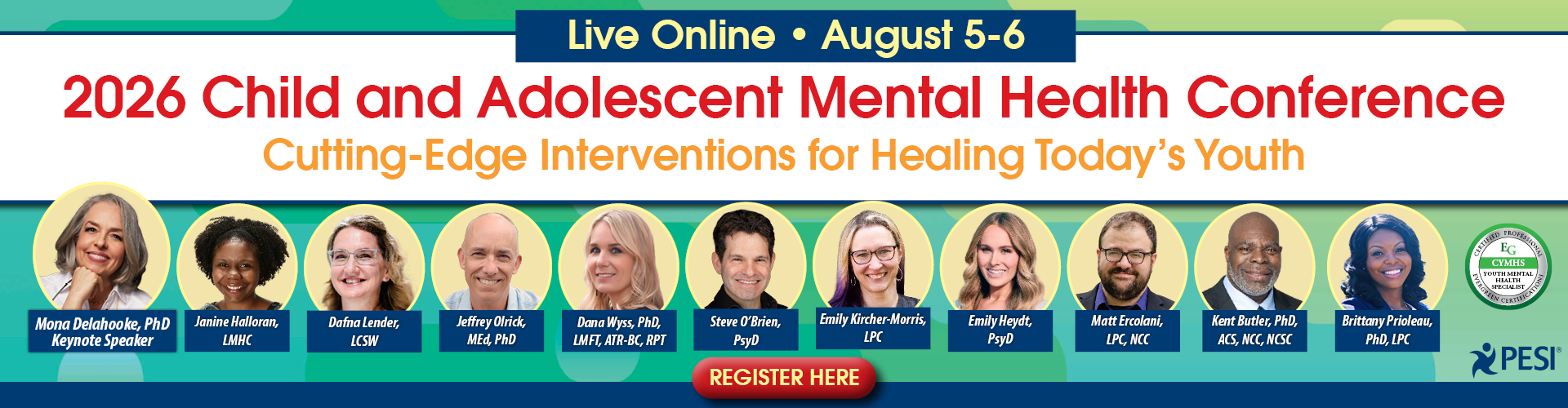
Join leaders who have helped reshape how the field understands regulation, attachment, trauma, and neurodevelopment, including the highly anticipated return of Mona Delahooke, PhD, alongside Dana Wyss, PhD; Steve O'Brien, PsyD; Kent Butler, PhD; Janine Halloran, LMHC—and more.
Neuroscience-informed, regulation-first care with sessions focused on:
Attachment-based and trauma-responsive practice • Creative and expressive therapies • Anxiety and emotion-regulation skills • Acceptance & Commitment Therapy (ACT) • Neurodiversity-affirming autism care • School-based, culturally responsive interventions • Navigating digital-era stress
Plus: Your registration meets the requirements for the Certified Youth Mental Health Specialist (CYMHS) credential—strengthening your clinical skill set at a time when many clinicians are being asked to do more, with less, under increasing pressure.
Join us live online to enhance your skills and gain new techniques and insights so you can make a real difference in the lives of your young clients.
2026 Child and Adolescent Mental Health Conference
Cutting-Edge Interventions for Healing Today's Youth
LIVE Online August 5–6, 2026
JOIN US LIVE ONLINE
ALL-ACCESS PASS
$1,049.87
Value – $299.99
Learn Live Online
- 30-day on-demand replay access
- 2 bonus sessions
- Earn up to 18 CE hours (includes up to 15 LIVE hours and up to 3 Self-Study hours)
- Live Q&A
CAN'T ATTEND LIVE?
Get the complete recording package
$1,049.87
Value – $299.99
Learn On-Demand
- Get unlimited access to every session
- 2 bonus sessions
- Earn up to 18 CE hours
(CE details available 4–6 weeks after the event) - Recorded Q&A
BONUS! Your Certified Youth Mental Health Specialist (CYMHS) certification (a $149.99 value) is included in today's deeply discounted registration!
You must complete pre-recorded "bonus" sessions in full and complete the Evergreen Certification Evaluation.
Professional and clinical experience standards apply. Learn more at Evergreen Certifications.
You must complete pre-recorded "bonus" sessions in full and complete the Evergreen Certification Evaluation.
Professional and clinical experience standards apply. Learn more at Evergreen Certifications.
Certification...Made Simple!
 In just three easy steps, you will become a Certified Youth Mental Health Specialist (CYMHS):
Step 1: Watch the online training and bonus content.
Step 2: Complete the CE tests and instantly print your certificates of completion.
Step 3: Submit the Certification Questionnaire included in this training, and your application is complete.*
That's it! No hidden fees. No catch. Just certification made EASY.
*Professional standards apply. Learn more at www.evergreencertifications.com/cymhs
Your Conference Schedule
Day 1 | Wednesday, August 5, 2026
Day 1 | Wednesday, August 5, 2026
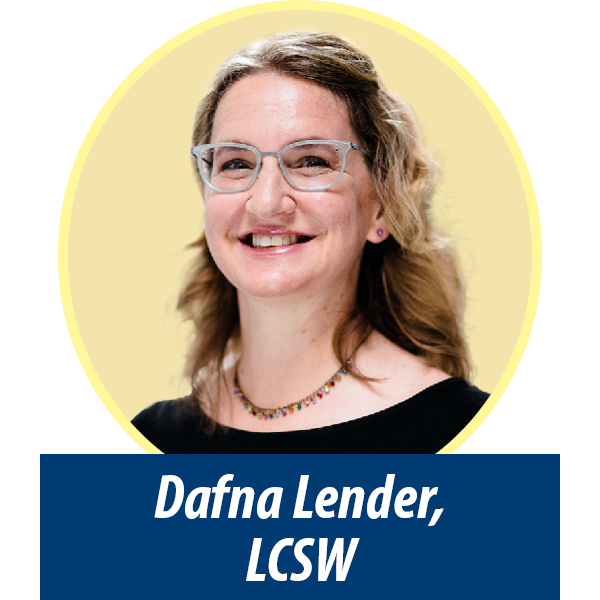
8:30–10:00 AM Central
Attachment Patterns in Practice: Differentiating Trauma, Temperament, and Neurodivergence
Dafna Lender, LCSW | Click here for information about Dafna Lender
Attachment patterns only make sense when viewed through the lens of the nervous system. This session helps you recognize what's truly driving a child's responses—so your interventions support regulation before relationship repair.
- Nervous system cues that distinguish attachment distress from trauma responses and baseline temperament
- Guardrails for using attachment language without over-pathologizing neurodivergent or culturally diverse children
- Regulation-supportive responses that de-escalate survival states rather than intensify them
- A clearer clinical lens for choosing interventions that restore safety and capacity for connection

10:10–11:40 AM Central
Emotion-Regulation Skills That Stick: Coping Strategies for ADHD, Anxiety & Anger
Janine Halloran, LMHC | Click here for information about Janine Halloran
Get simple, high-impact strategies that help kids regulate big feelings, calm their bodies, and stay focused—no special equipment, no long explanations.
- Grounding and breathing techniques that build body awareness and steady emotional reactions.
- Coping tools that truly "fit" a child's sensory needs, intensity level, and developmental stage.
- Playful, sensory-friendly methods that boost focus, motivation, and emotional flexibility.
- Safe, structured outlets for anger that prevent escalation and support healthy release.
Lunch–11:40 AM–12:10 PM Central Time

12:10–1:40 PM Central
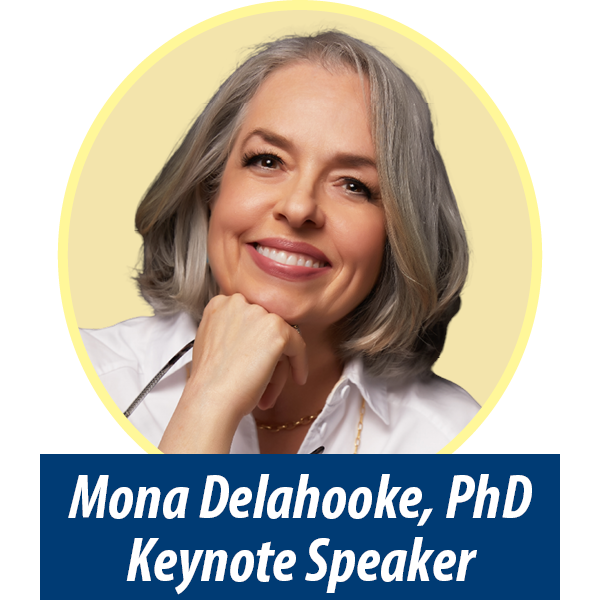
Fireside Chat with Mona Delahooke, PhD: The Healing Power of Relationships and Neurodevelopmental Care
Mona Delahooke, PhD | Click here for information about Mona M. Delahooke
with Connie Lillas, RN, LMFT, PhD and Scott Delahooke
with Connie Lillas, RN, LMFT, PhD and Scott Delahooke
In this intimate fireside chat, Mona Delahooke, PhD is joined by her husband, Scott, and her longtime collaborator, Connie Lillas, RN, LMFT, PhD, for a personal conversation about how relationships, co-regulation, and neurodevelopment shape the inner worlds of children and teens—especially those who struggle to communicate what they're experiencing.
Following a life-threatening brain aneurysm, Dr. Delahooke's own recovery was guided by the very nervous-system-informed principles she has taught for decades. Her return brings rare depth to this work, grounded in both neuroscience and lived experience.
Together, they explore how body-to-brain pathways support regulation and therapeutic readiness, how neuroception and interoception inform our understanding of stress responses in kids, and how principles from the NeuroRelational Framework and coma research highlight the power of safe, simple, non-activating sensory-motor input. Video moments from Mona's recovery bring these ideas to life, offering clinicians a clear, human lens on supporting regulation and healing in children and adolescents.
1:50–3:20 PM Central
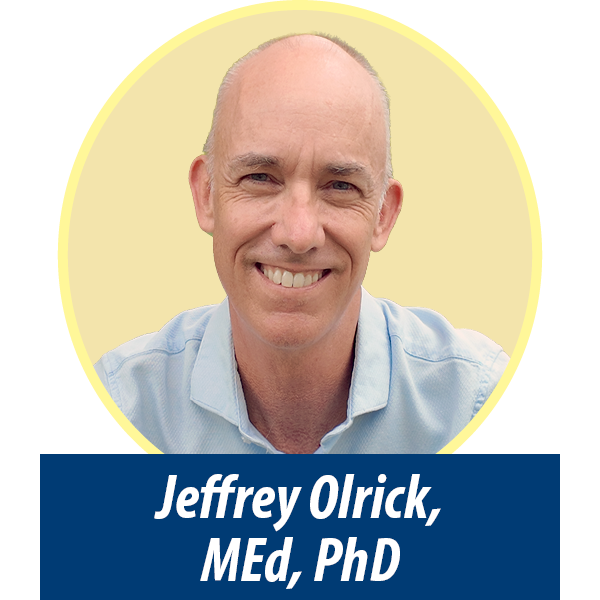
Anxiety, You're Not the Boss of Me! Empowering Children and Adolescents to Take Charge and Build Confidence
Jeffrey Olrick, MEd, PhD | Click here for information about Jeffrey Olrick
Simple, science-based tools that help kids feel steadier, braver, and more in charge of their internal world:
- A sharper lens for spotting hidden anxiety behaviors often mistaken for defiance, distraction, or mood issues
- Language and metaphors that help kids talk about anxiety without shame or shutdown
- Engagement strategies to keep anxious kids participating even when avoidance kicks in
- Simple ways to involve caregivers, so progress continues outside the therapy room or classroom
3:30–5:00 PM Central
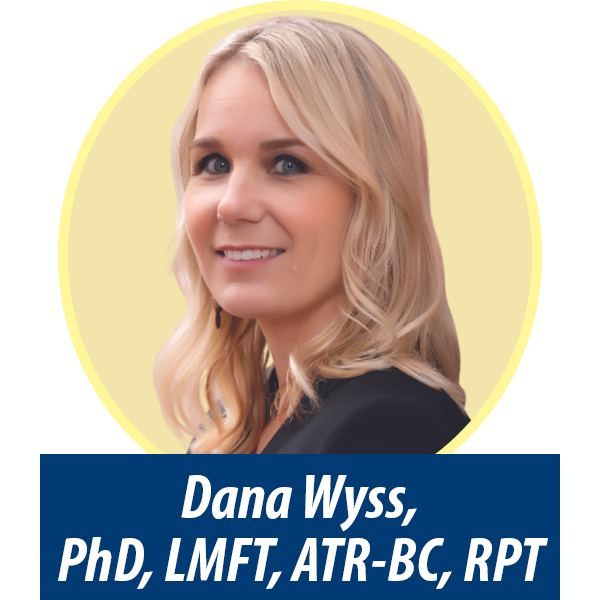
Self-Injury, Suicidality, and the Path Back to Connection: Reaching Kids in Deep Pain through Creative Interventions
Dana Wyss, PhD, LMFT, ATR-BC, RPT | Click here for information about Dana Wyss
When survival responses dominate, words alone often aren't accessible. This session explores how creative, body-based approaches can help restore regulation and connection for youth experiencing profound distress.
- A nervous-system-informed lens for understanding self-injury and suicidality as signals of overwhelm, not pathology
- Connection-first, regulation-focused responses that reduce fear and open pathways to safety
- Strategies for staying grounded and present amid intense emotions and high-risk moments
- Practical clinician wellness practices that support regulation, capacity, and long-term resilience
Day 2 | Thursday, August 6, 2026
8:30–10:00 AM Central
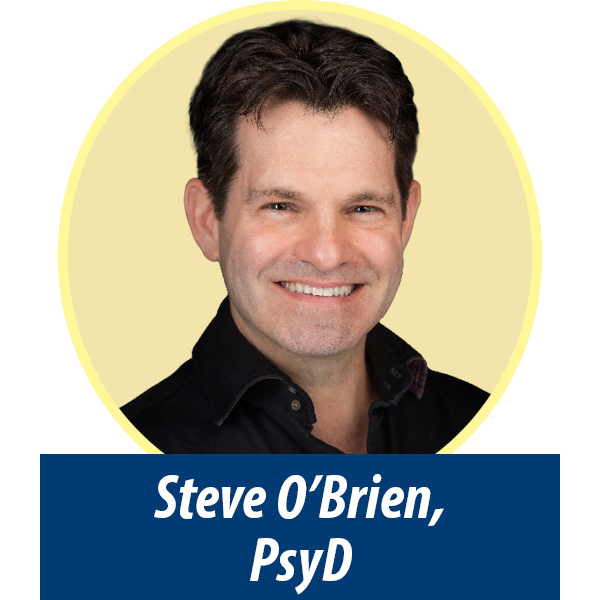
Digital Dynamics in Adolescence: Assisting Teens with Connection, Friendship, and Dating in the Social-Technological Age
Steven O'Brien, PsyD | Click here for information about Steven O'Brien
Explore a clear roadmap for digital-era stressors, healthy social development, and guiding teens toward safer, more grounded online-to-offline interactions.
- Patterns of digital communication shaping teen connection
- Signals of unhealthy online influence on mood, self-worth, and friendship dynamics
- Frameworks for supporting safe exploration of digital-age dating
- Kid-friendly language for explaining online pressure, comparison, and emotional overload
- Tools for strengthening boundaries, digital balance, and real-world social skills
10:10–11:40 AM Central
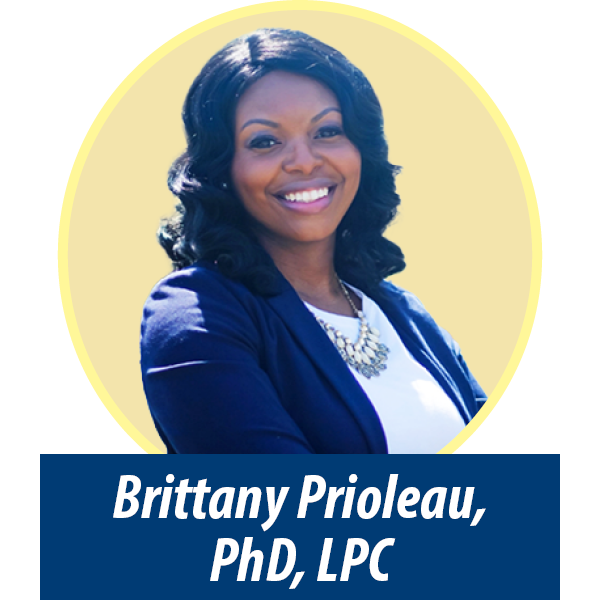
Supporting Youth Mental Health in Schools: Culturally Responsive, Trauma-Informed Strategies for Diverse Learners
Brittany Prioleau, PhD, LPC, ACS, NCC | Click here for information about Brittany L. Prioleau
This session cuts through the noise and gets real about what today's students are facing—and what adults can actually do about it to restore safety, regulation, and belonging within school environments.
You'll walk away with:
- Nervous-system-informed indicators for recognizing distress before it escalates into behavior or shutdown
- Regulation-supportive, trauma-responsive tools you can use immediately in classrooms and school settings
- Collaboration strategies that align schools, families, and clinicians around shared cues of safety and support
- Simple, regulation-based self-care resets to help you stay grounded, effective, and compassionate
- Culturally humble practices that promote felt safety and inclusion for diverse learners
Lunch–11:40 AM–12:10 PM Central Time
12:10–1:40 PM Central
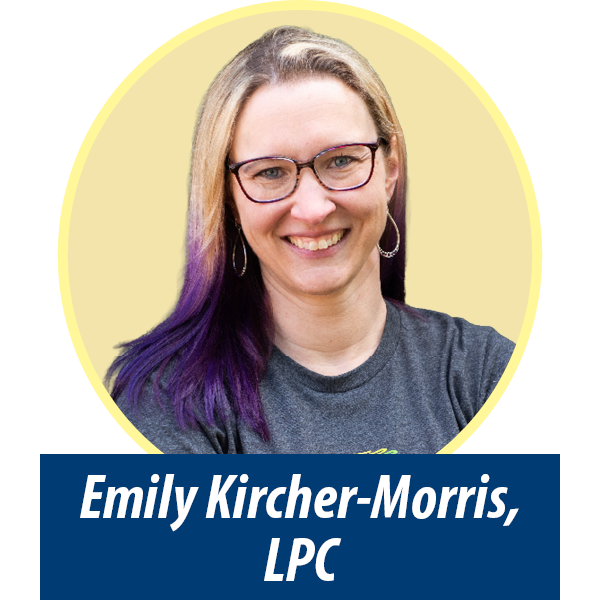
Level 1 Autism in Children & Teens: Understanding the Neurotype You Didn't See Coming
Emily Kircher-Morris, MA, MEd, LPC | Click here for information about Emily Kircher-Morris
Level 1 autistic youth are often missed precisely because their nervous systems work hard to adapt, mask, and perform. This session helps clinicians recognize subtle autistic presentations and adjust treatment to support regulation, safety, and authentic engagement.
- Key indicators of internalized, masked, or late-identified autistic traits across developmental stages
- Nervous-system and neurotype distinctions between autism, anxiety, ADHD, trauma responses, and giftedness
- Cognitive, sensory, and regulatory patterns that shape stress responses and therapy fit
- Practical adaptations across CBT, DBT-informed work, and visual or structured supports that align with autistic nervous systems
1:50–3:20 PM Central
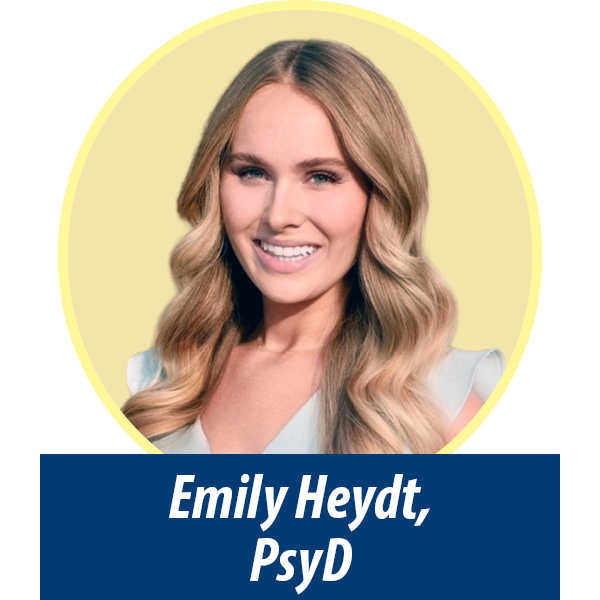
Acceptance & Commitment Therapy (ACT) Strategies for School-Related Anxiety: Building Strength, Openness & Resilience
Emily Heydt, PsyD | Click here for information about Emily Heydt
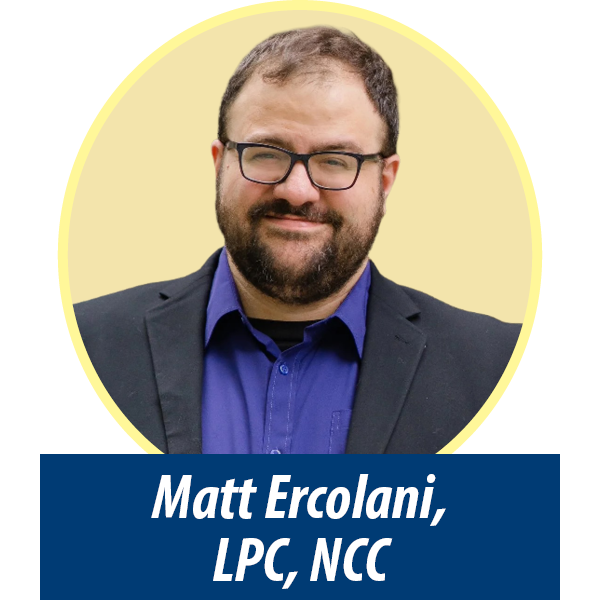
Matt Ercolani, MS, LPC, NCC | Click here for information about Matt Ercolani
Matt Ercolani, MS, LPC, NCC | Click here for information about Matt Ercolani
This session shows how ACT can support regulation and flexibility so students can re-engage with learning, relationships, and values despite anxiety.
In this session, you'll learn:
- Common patterns of school-based anxiety across developmental stages and neurotypes, viewed through a nervous-system lens
- ACT processes that promote grounding, psychological flexibility, and values-aligned action under stress
- Practical tools for unhooking from worry loops, avoidance cycles, and threat-based thinking
- Strategies that strengthen resilience across academic, social, and performance-related demands
- How reassurance traps, over-accommodation, and overcorrection can inadvertently reinforce survival responses
3:30–5:00 PM Central
Inherited Hurt: Making Sense of Generational Trauma in Today's Youth and Families
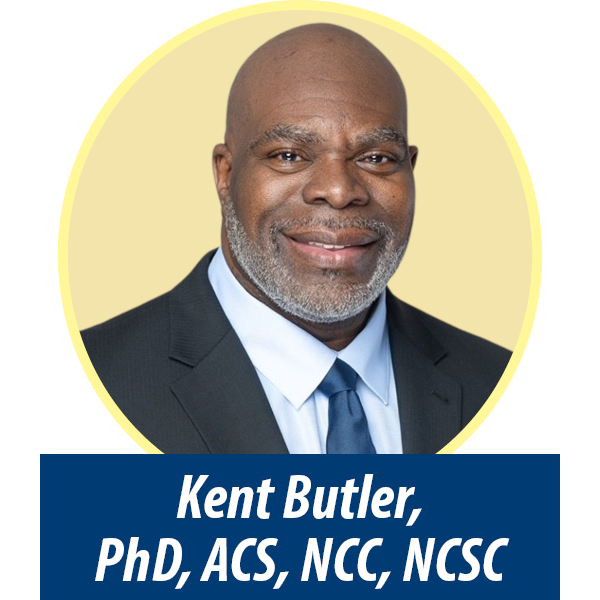
S. Kent Butler, PhD, ACS, NCC, NCSC | Click here for information about S. Kent Butler
Generational trauma lives not just in stories, but in nervous systems—shaping how families respond to stress, conflict, and connection. This session offers a regulation-informed framework for understanding inherited patterns and supporting youth and families toward greater safety and stability.
- A clear, nervous-system-aware framework for differentiating generational trauma from acute, developmental, or situational stress
- Trauma-informed, shame-free conversation strategies that reduce defensiveness and increase felt safety for youth and caregivers
- Family-stabilization tools that interrupt survival-based patterns such as repetition, conflict, and emotional withdrawal
- System-level resilience approaches that support regulation, connection, and healing across the family unit
2026 Child and Adolescent Mental Health Conference
Cutting-Edge Interventions for Healing Today's Youth
LIVE Online August 5–6, 2026
JOIN US LIVE ONLINE
ALL-ACCESS PASS
$1,049.87
Value – $299.99
Learn Live Online
- 30-day on-demand replay access
- 2 bonus sessions
- Earn up to 18 CE hours (includes up to 15 LIVE hours and up to 3 Self-Study hours)
- Live Q&A
CAN'T ATTEND LIVE?
Get the complete recording package
$1,049.87
Value – $299.99
Learn On-Demand
- Get unlimited access to every session
- 2 bonus sessions
- Earn up to 18 CE hours
(CE details available 4–6 weeks after the event) - Recorded Q&A
BONUS! Your Certified Youth Mental Health Specialist (CYMHS) certification (a $149.99 value) is included in today's deeply discounted registration!
You must complete pre-recorded "bonus" sessions in full and complete the Evergreen Certification Evaluation.
Professional and clinical experience standards apply. Learn more at Evergreen Certifications.
You must complete pre-recorded "bonus" sessions in full and complete the Evergreen Certification Evaluation.
Professional and clinical experience standards apply. Learn more at Evergreen Certifications.
Your On-Demand Sessions to Meet Certification
Immediately Available Upon Purchase
Psychopharmacology for Kids and Teens
A Therapist's Guide to New Medications, Prescribing Guidelines, and Working Effectively with Prescribers
Joshua Feder, MD | Click here for information about Joshua Feder
Gain the clinical insight you need to confidently navigate medication discussions and strengthen collaborative relationships with prescribers treating children and teens.
- Key principles behind responsible prescribing and therapist-prescriber collaboration
- Target symptoms, developmental factors, and safety considerations in medication decision-making
- Foundations of informed consent, including child assent and complex family situations
- Risks, limitations, and realities of research and off-label medication use
ACEs and Trauma in Students: Identification and Responses
Christina Reese, PhD, LCPC | Click here for information about Christina Reese
Gain a clear, practical understanding of how trauma shows up in school settings and what clinicians must recognize to support students with ACE-related challenges.
- Indicators of fight, flight, and freeze states in classroom and peer interactions
- Key findings from the ACEs study and relevance for school-based assessment
- Influences of poverty and mental health challenges on student functioning
- SEL-aligned supports that strengthen impulse control and conflict resolution
What your colleagues are saying about this conference!
Frequently Asked Questions
Becoming a Certified Youth Mental Health Specialist will give you the skills and confidence to treat more complex cases, new clients, and even provide expert consultation to your colleagues. Clinicians with more specialized knowledge can target the types of clients they want to see, customize their treatment for each unique client, and develop a practice known for its amazing therapeutic outcomes.
We designed this online conference to meet all the educational standards for the Certified Youth Mental Health Specialist certification; therefore, all sessions, including on-demand sessions, should be completed.
Becoming a CYMHS is simple: complete all the sessions, complete the CE test,s and submit your application to Evergreen Certifications. Best of all, your certification fee for two years is paid by PESI when you register and complete all the conference training, including those on-demand.
This conference is designed for counselors, social workers, psychologists, marriage and family therapists, occupational therapist, speech-language pathologists, educators, and other professionals who work with young clients as well as those who are just starting out.
Yes, this conference includes up to 18 CE Hours (up to 15 Live and up to 3 Self-Study CE Hours) at the very low price of $299.99!
Yes! Just register for the on-demand recording package and you will get full access to all sessions 4-6 weeks after the conference.
YES! You'll be able to engage with the presenter and chat with colleagues throughout each presentation.
Yes! You get unlimited replay access for 30 days after the recordings are made available after the conference. Replays will be available within the week after the training ends and will be in the same place where the live sessions took place in your account portal.
2026 Child and Adolescent Mental Health Conference
Cutting-Edge Interventions for Healing Today's Youth
LIVE Online August 5–6, 2026
JOIN US LIVE ONLINE
ALL-ACCESS PASS
$1,049.87
Value – $299.99
Learn Live Online
- 30-day on-demand replay access
- 2 bonus sessions
- Earn up to 18 CE hours (includes up to 15 LIVE hours and up to 3 Self-Study hours)
- Live Q&A
CAN'T ATTEND LIVE?
Get the complete recording package
$1,049.87
Value – $299.99
Learn On-Demand
- Get unlimited access to every session
- 2 bonus sessions
- Earn up to 18 CE hours
(CE details available 4–6 weeks after the event) - Recorded Q&A
BONUS! Your Certified Youth Mental Health Specialist (CYMHS) certification (a $149.99 value) is included in today's deeply discounted registration!
You must complete pre-recorded "bonus" sessions in full and complete the Evergreen Certification Evaluation.
Professional and clinical experience standards apply. Learn more at Evergreen Certifications.
You must complete pre-recorded "bonus" sessions in full and complete the Evergreen Certification Evaluation.
Professional and clinical experience standards apply. Learn more at Evergreen Certifications.
100% Satisfaction Guarantee
Register for this intensive conference without risk. If you're not completely satisfied, give us a call at 800-844-8260. We're that confident you'll find this learning experience to be all that's promised and more than you expected.
EVENT COUNTDOWN
0
Days
:
0
Hours
:
0
Minutes
:
0
Seconds