Yes! All participants will be given 30 days' access to the recordings following
the live event.
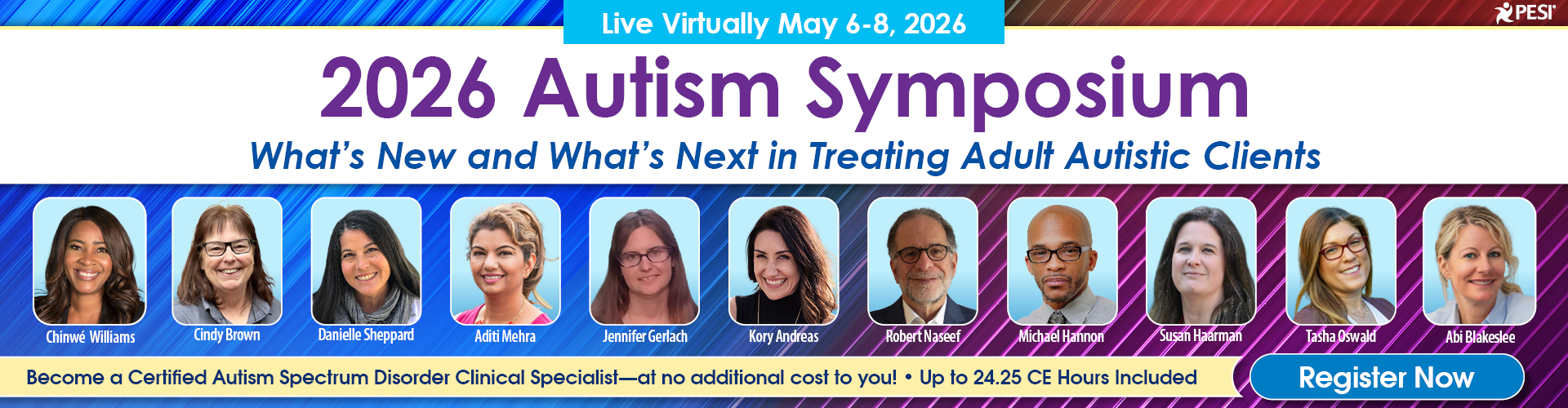
Live Online! | 2026 Autism Symposium
The Future of Neurodiversity-Affirming Mental Health Practice Starts Here
Whether your client was diagnosed in childhood or only discovered their autism recently, this symposium gives you the tools to meet them where they are…
…even when you’re facing real clinical challenges — untangling autism from anxiety, trauma, or ADHD; supporting clients who have spent years masking; or helping late‑identified adults make sense of the overwhelm, grief, and identity shifts that surface after a long‑delayed diagnosis.
Here, those challenges become opportunities for deeper insight, clearer direction, and more effective support by placing lived experience at the heart of every conversation.
At the 2026 Autism Symposium, the field’s leading voices — Tasha Oswald, Kory Andreas, Jennifer Gerlach, Robert Naseef, and more — will guide you in transforming your practice from “What’s wrong?” to “What’s needed?”
You will learn to work with differences in communication, sensory processing, and relationship structures in ways that empower rather than “fix.” Here’s what’s in store:
-
Neurodiversity-Affirming Frameworks & Identity-Centered Care
Foster authenticity, confidence, and self-acceptance in every session -
Trauma, Autism, and Adversity
Understand how trauma reshapes safety responses and apply strategies that build regulation and resilience -
Pathological Demand Avoidance/Pervasive Desire for Autonomy
Recognize the roots of extreme autonomy needs and apply collaborative strategies that reduce anxiety and resistance -
Autism and the Perinatal Journey
Support sensory and social needs during pregnancy, bonding, and postpartum adjustment -
Autism and Grief
Address invisible losses and guide clients through neurodivergent expressions of grief -
Tech-Enhanced Therapy for Autism
Harness digital tools and apps to increase engagement, motivation, and therapeutic carryover -
Couples Therapy on the Spectrum
Support communication and sensory needs to cultivate empathy and relational clarity - Somatic Therapy, Table-Top Role-Playing Games & More!
This is your chance to learn from the clinicians redefining adult autistic mental health—and walk away with strategies that improve clients’ relationship skills, workplace success, and meaningful participation in every aspect of life.
And when you complete this training, you’ll qualify to become a Certified Autism Clinical Specialist (ASDCS)—included with your registration ($249.99 value)!
Register today!
For nearly a decade, PESI has been championing the experts who are redefining autism care,
training over 90,000 clinicians, and driving the shift toward strengths-based, neuro-affirming
practice. 2026 will raise the bar even higher. At this year’s Autism Symposium, dive into cutting-edge sessions that will challenge,
inspire, and elevate your clinical expertise:
2026 Annual Autism Symposium
What's New and What's Next in Treating Adult Autistic Clients
LIVE Online May 6-8, 2026
JOIN US LIVE ONLINE
ALL-ACCESS PASS
Valued at
$1,539.84
$299.99
Credit approvals may differ per session
CAN'T ATTEND LIVE?
Get the complete recording package
Valued at
$1,539.84
$299.99
CE details available 4–6 weeks after the event
Self-study CE hours and approvals may vary from live event
BONUS! Your Certified Autism Clinical Specialist (ASDCS) certification (a
$249.99 value) is included in today's deeply discounted registration!
*Professional and clinical experience standards apply. Learn more at www.evergreencertifications.com/asdcs
Your registration is 100% risk-free. Cancel at any time for a complete refund.
Somatic Experiencing • Neurodiverse Couples Therapy • Pervasive Drive for Autonomy (PDA) •
Post-Traumatic Growth • Neuro-Grief • Identity Exploration
Empower adult neurodivergent clients with tools to:
Celebrate identity as a strength—help clients embrace authenticity and build
lasting self-acceptance
Interrupt the trauma cycle—restore safety and regulation with strategies
that honor neurodivergent nervous systems
Shift care from deficit to dignity— support autonomy and strengths so
clients feel respected, not “fixed”
Create relationships that thrive—equip neurodiverse couples with tools for
clarity, empathy, and sensory harmony
Honor late-identified experiences— address the grief, relief, and identity
shifts that emerge when autism is recognized in adulthood
Extend progress beyond the session— use tech and apps to keep clients
engaged and motivated in real life
Reserve your spot for the 2026 Autism Symposium today!
Your All-Access Pass Includes
That’s over $1500 in value―training, tools, and up to 24.25 CE hours
included.
Right now, you can secure your spot for just $299.99.
Certification Made
Simple!
In just a few simple steps, you
can become an Certified Autism Clinical Specialist (ASDCS): Step 1: Complete this live interactive training and the additional self-study modules.
Step 2: Complete the CE tests and instantly print your certificates of completion.
Step 3: Submit your certificates of completion, application form, and professional license to Evergreen Certifications and we'll cover the cost of your certification for 2 years (a $249.99 value!)*
That's it! No hidden fees. No catch. Just certification made EASY.
*Professional standards apply. Learn more at ASDCS - Certified Autism Clinical Specialist (US)
2026 Annual Autism Symposium
What's New and What's Next in Treating Adult Autistic Clients
LIVE Online May 6-8, 2026
JOIN US LIVE ONLINE
ALL-ACCESS PASS
Valued at
$1,539.84
$299.99
- 30-day on-demand replay access
- 4 bonus sessions
- Earn up to 24.25 CE hours (Up to 18.5 LIVE hours & 5.75 Self-Study hours)
- Live Q&A
Credit approvals may differ per session
CAN'T ATTEND LIVE?
Get the complete recording package
Valued at
$1,539.84
$299.99
- Unlimited access to every session
- 4 bonus sessions
- Earn up to 24.25 CE hours (CE details available 4–6 weeks after the event)
- Recorded Q&A
CE details available 4–6 weeks after the event
Self-study CE hours and approvals may vary from live event
BONUS! Your Certified Autism Clinical Specialist (ASDCS) certification (a
$249.99 value) is included in today's deeply discounted registration!
*Professional and clinical experience standards apply. Learn more at www.evergreencertifications.com/asdcs
*Professional and clinical experience standards apply. Learn more at www.evergreencertifications.com/asdcs
Your registration is 100% risk-free. Cancel at any time for a complete refund.
Summit Schedule
Day 1 | Wednesday, May 6
8:30 AM – 5:00 PM Central

Andrew Reichart, AMFT
8:30–10:00 AM Central
Neurodiversity and the Ethics of
Freedom: Cognitive Liberty, Autonomy, and Acceptance
Andrew Reichart, AMFT |
Information about Andrew Reichart
This session examines how concepts like cognitive liberty, bodily autonomy, and
personal agency challenge traditional ideas of compliance and normalization in clinical practice.
You’ll learn:
- Core definitions: neurodiverse, neurodivergent, neurotypical, neuronormative, neurominority
- Ethical implications of pathologization and forced compliance
- Effects of internalized stigma and deficit-based models
- Frameworks for fostering autonomy, agency, and mutual respect in neuro-affirming care

Tasha Oswald, PhD
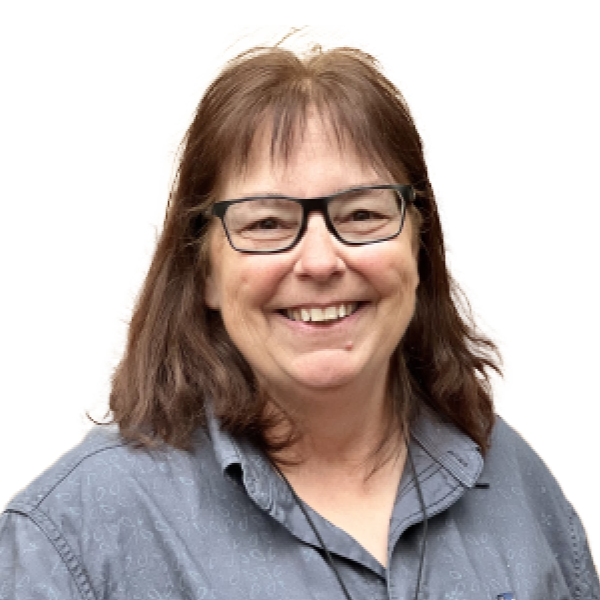
Cindy Brown, LPCC
10:10 – 11:40 AM Central
Breaking Free from the
Neurodivergent Survival Cycle: Help Autistic Clients Build Shame-Resilience and Self-Acceptance
Tasha Oswald, PhD & Cindy Brown, LPCC |
Information about Tasha Oswald & Information about Cynthia Brown
Autistic individuals are often subjected to trauma when their neurodivergent needs
and behaviors are invalidated or misunderstood. This session introduces the Neurodivergent
Survival Cycle to help clinicians recognize and respond to these patterns.
- Define “neurodivergent trauma” and its clinical implications
- Explore the Neurodivergent Survival Cycle and its impact on mental health
- Apply the COMPASS framework for trauma-informed, neuroaffirming care
- Use shame-sensitive strategies to foster resilience and self-acceptance
- Understand risks and limitations of current research and interventions
LUNCH
11:40 AM – 12:10 PM Central
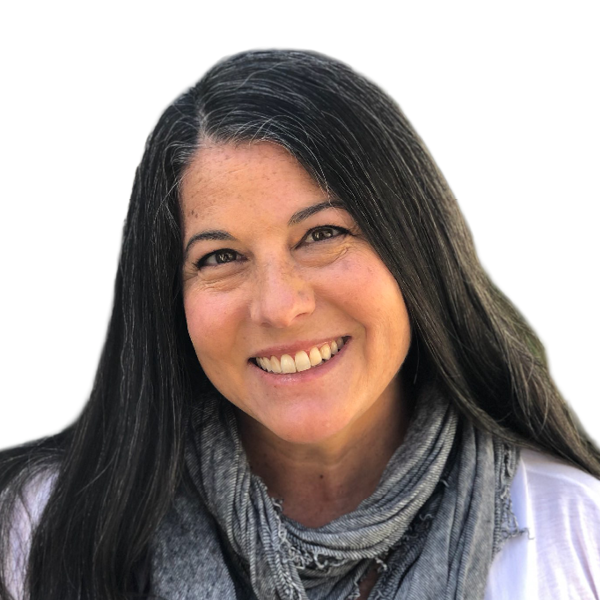
Danielle Sheppard, LPCC
12:10-1:40 PM Central
Neurogrief and Unseen Loss:
Guiding Later-Diagnosed Autistic Adults Toward Integration and Meaning
Danielle Sheppard, LPCC | Information about Danielle Sheppard
Grief in autistic individuals is often unseen—emerging from experiences of exclusion, missed milestones, or the late realization of what self-acceptance could have meant. This session introduces the concept of neurogrief, exploring how loss, identity reconstruction, and meaning-making unfold following autism recognition or diagnosis in adulthood. Participants will learn to recognize and compassionately support these emotional processes using autism-informed and neuro-affirming approaches.
You’ll learn:
- To identify invisible grief and understand neurogrief across development and identity
- Adaptations of grief frameworks that honor autistic processing and communication
- Practical tools for guiding clients through loss, change, and rediscovery
- Strategies that strengthen self-compassion, regulation, and belonging
- Current research limitations and ethical considerations in practice

Aditi Mehra DHSc., OTR/L
1:50-3:20 PM Central
Tech-Enhanced Therapy for Autism:
Digital Tools That Foster Connection and Growth
Aditi Mehra DHSc., OTR/L | Information about Aditi Mehra
Technology is transforming how we understand and support autistic clients—from virtual reality and robotics to apps that build emotional regulation, social engagement, and executive function.
You’ll learn:
- How VR, AR, and gamified platforms can strengthen social, emotional, cognitive, and motor skills
- Evidence-based teletherapy adaptations and remote coaching strategies for continuity of care
- Ways to leverage apps and assistive tech to support sleep, routines, and regulation
- Principles of digital inclusion and accessibility to reduce inequities in service delivery

Shoshana Friedman
3:30-5:00 PM Central
Pathological Demand
Avoidance/Pervasive Desire for Autonomy (PDA) in Autistic Adults: Lived Experience and the PDA
Safe Circle® Approach
Rabbi Shoshana Friedman | Information about Shoshana Meira Friedman
Rabbi Shoshana Meira Friedman shares her lived experience and introduces a strengths-based, neurodivergent-affirming, and nervous system informed framework for reducing distress and increasing thriving in this highly vulnerable population.
You’ll learn:
- Practical strategies for supporting Autistic adults with PDA
- Insights into creating environments that foster autonomy and safety
- Tools for reducing anxiety and overwhelm in daily interactions
- Approaches to promote resilience and thriving within neurodivergent communities
Day 2 | Thursday, May 7
8:30 AM – 4:50 PM Central
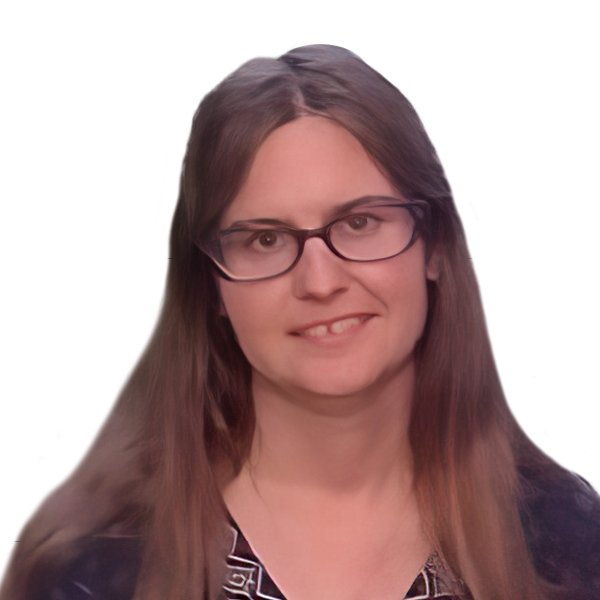
Jennifer Gerlach, LCSW
8:30–10:30 AM Central
Trauma, Autism, and Adversity:
Building Safety, Resilience, and Recovery
Jennifer Gerlach, LCSW | Information about Jennifer Gerlach
Explore how trauma and neurodivergence intersect and discover the unique risk and resilience factors that influence recovery, self-regulation, and adaptive functioning.
You’ll learn:
- Trauma processing in autistic individuals: unique presentations, sensory challenges, and resilience-building strategies.
- The role of nervous system sensitivity and masking in trauma vulnerability
- Practical trauma-informed, neuro-affirming interventions—including Acceptance and Commitment Therapy (ACT)—to build safety, meaning, and resilience

Kory Andreas LCSW-C
10:40 AM-12:40 PM Central
Connection, Communication, and
Intimacy in Neurodiverse Couples Counseling
Kory Andreas LCSW-C | Information about Kory Andreas
Discover neurodiversity-affirming frameworks and practical tools that help mixed-neurotype couples navigate sensory, communication, and relational differences to build stronger understanding, trust, and authentic connection.
- Affirming approaches to sexuality, gender, and relationship diversity
- Tools to enhance empathy, intimacy, and communication
- Support strategies for nontraditional relationship structures
- Frameworks that foster safety, shared language, and mutual regulation
LUNCH
12:40 AM – 1:10 PM Central
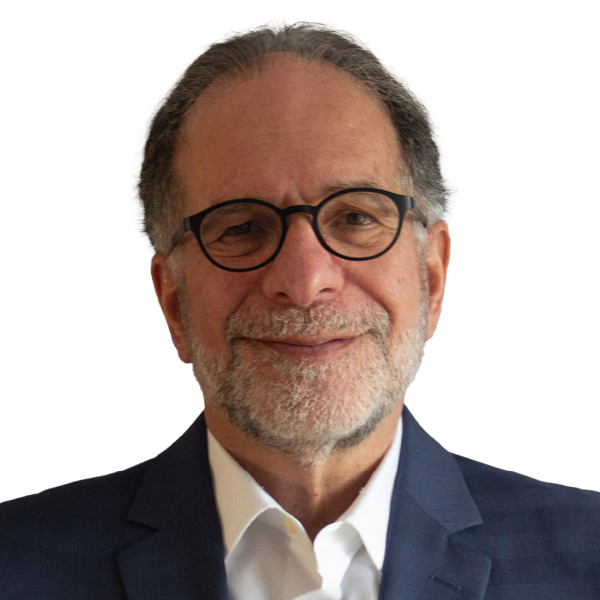
Robert Naseef, PhD
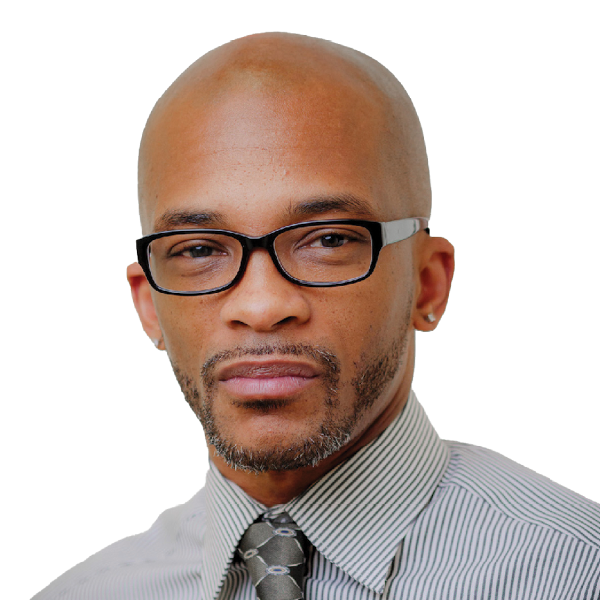
Michael Hannon, PhD, LPC (NJ), NCC, BC‑TMH
1:10-3:10 PM Central
Resistance, Resilience, and
Autistic Joy
Robert Naseef, PhD and Michael Hannon, PhD, LPC (NJ), NCC, BC‑TMH | Information about Robert A. Naseef & Information about Michael Hannon
This session helps mental health professionals recognize the harm of false narratives, identify trustworthy information, and strengthen clients’ sense of agency, community, and joy in the face of adversity.
You’ll learn:
- Common myths and misinformation about autism and their emotional impact
- Reliable, evidence-based sources for client psychoeducation and advocacy
- Effects of social and political climates on autistic mental health
- Strategies to foster resilience, identity pride, and authentic joy amid a volatile sociopolitical climate
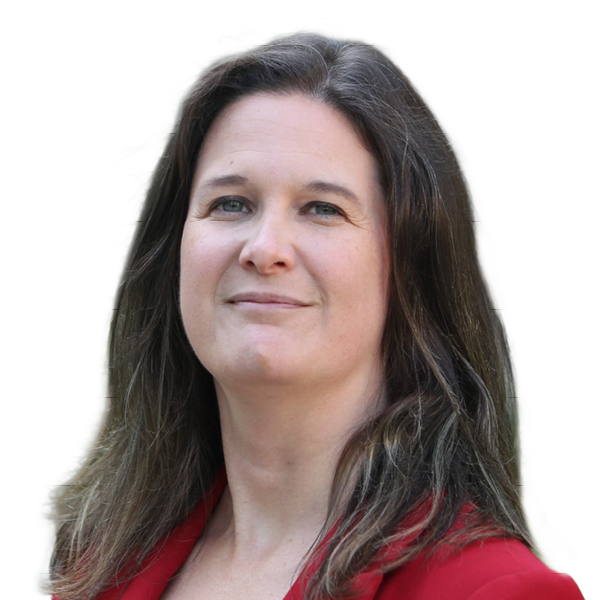
Susan Haarman, PhD, LCPC
3:20-4:50 PM Central
Therapeutic Role-Playing for
Autistic Clients: Tabletop Games to Support Unmasking, Identity, and Social Growth
Susan Haarman, PhD, LCPC Information about Susan Haarman
Tabletop role-playing games (TTRPGs) like Dungeons & Dragons have evolved into powerful therapeutic tools for identity, communication, and connection. This interactive session shows how collaborative storytelling and character play can foster emotional expression and authentic social engagement.
You’ll learn:
- How TTRPGs build regulation, problem-solving, and communication skills
- Ways to create affirming spaces for unmasking and identity exploration
- Methods for translating in-game learning into real-world growth
- Simple structure and safety tools for therapists new to gaming
Day 3 | Friday, May 8
8:30 AM – 12:10 PM Central
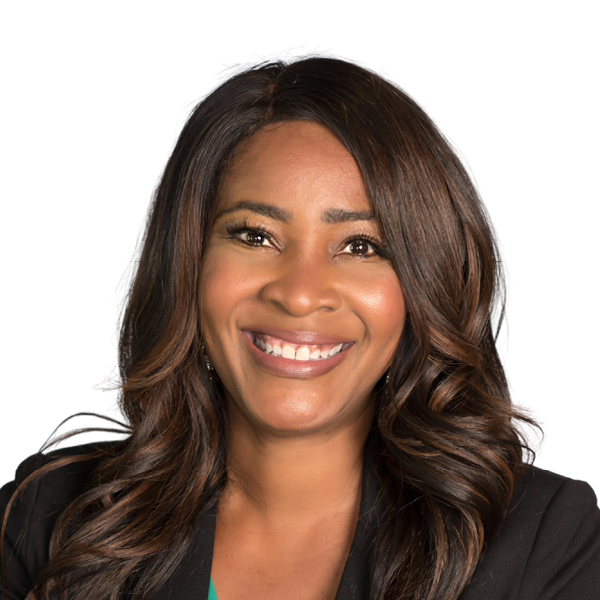
Chinwé Williams, PhD
8:30-10:00 AM Central
Race, Identity, and Regulation:
Adapting DBT and EMDR for Autistic Clients of Color
Chinwé Williams, PhD | Information about Chinwé Williams
Explore how race and neurodivergence intersect in clinical care through culturally responsive adaptations of DBT and EMDR that address racism, ableism, and systemic bias.
You’ll learn:
- How racial bias and inequities influence autism identification and treatment access
- Adapted DBT and EMDR strategies that align with cultural values and communication styles
- Approaches for addressing masking, code-switching, and identity stress
- Tools for building trust and empowerment through culturally humble partnership
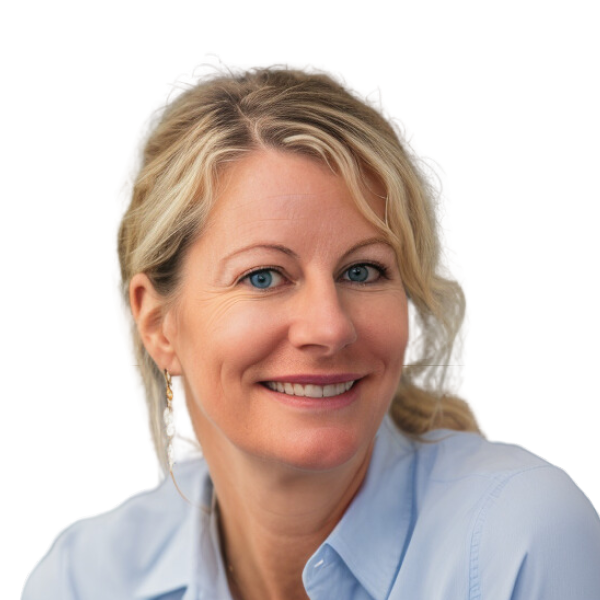
Abi Blakeslee, SEP, CMT, MFT, PhD
10:10 AM-12:10 PM Central
Somatic Psychology with Autistic
Clients: Bringing the Body and Embodied Cognition into Therapy
Abi Blakeslee, SEP, CMT, MFT, PhD | Information about Abi Blakeslee
Somatic therapy offers a compassionate path to reconnect with the body and foster sensory awareness as well as interpretations of the nervous system and embodied emotions through images and movements—celebrating identity, regulation, well-being, and agency from within.
You’ll learn:
- Sensory, image interpretation, and externalized movement for somatic tracking without overload
- Recognition of dissociation, shutdown, and sensory flooding patterns
- Body-based tools that build awareness, communication, and regulation
- Guided practices and case demonstrations for applied learning
2026 Annual Autism Symposium
What's New and What's Next in Treating Adult Autistic Clients
LIVE Online May 6-8, 2026
JOIN US LIVE ONLINE
ALL-ACCESS PASS
Valued at
$1,539.84
$299.99
- 30-day on-demand replay access
- 4 bonus sessions
- Earn up to 24.25 CE hours (Up to 18.5 LIVE hours & 5.75 Self-Study hours)
- Live Q&A
Credit approvals may differ per session
CAN'T ATTEND LIVE?
Get the complete recording package
Valued at
$1,539.84
$299.99
- Unlimited access to every session
- 4 bonus sessions
- Earn up to 24.25 CE hours (CE details available 4–6 weeks after the event)
- Recorded Q&A
CE details available 4–6 weeks after the event
Self-study CE hours and approvals may vary from live event
BONUS! Your Certified Autism Clinical Specialist (ASDCS) certification (a
$249.99 value) is included in today's deeply discounted registration!
*Professional and clinical experience standards apply. Learn more at www.evergreencertifications.com/asdcs
*Professional and clinical experience standards apply. Learn more at www.evergreencertifications.com/asdcs
Your registration is 100% risk-free. Cancel at any time for a complete refund.
Your On-Demand Sessions
*Required for Certification*
Strengths-Based and Neurodiversity Affirming
Approach to Autism Assessment: A Practitioner’s Guide
Rebecca Sachs, PhD, ABPP | Information about Rebecca Sachs
When progress stalls or patterns don’t fit typical development, clinicians may wonder—could this be autism? This session provides practical guidance on what to do next, from first impressions to confident communication and referral.
You’ll learn:
- Screening and assessment tools for identifying autism-related traits and unmet needs
- Key developmental and information-processing differences that affect treatment
- Ways to discuss autism considerations with clients and families
- How to use assessment as part of the therapeutic process
- Referral pathways that promote continuity and collaboration in care
Treating Autism Spectrum Co-Morbidities:
Pharmacological and Non-Pharmacological Interventions for Irritability, Anxiety, ADHD, &
More
Joshua Feder, MD | Information about Joshua Feder
Why are so many autistic kids prescribed antipsychotics—and what can we try before going there? Dr. Josh Feder offers practical, safer alternatives rooted in decades of advocacy and clinical experience.
- Explore non-pharmacological strategies for common challenges like anxiety and aggression
- Learn about supplements and milder medications as first-line options
- Understand how to monitor and mitigate antipsychotic side effects
- Match interventions to the values and needs of autistic clients and families
- Consider risks and limitations of current prescribing practices and research

Register now to unlock unlimited access to two exclusive pre-recorded sessions:
Autism and the Perinatal
Journey: Neurodivergent-Affirming Support for Autistic Individuals from Pregnancy to
Postpartum
Alexandra Smith, LMFT, PMH-C | More about Alexandra Smith
Autistic individuals often face pregnancy, birth, and postpartum care that overlooks sensory, communication, and processing differences, leaving many feeling isolated, misunderstood, and more susceptible to trauma.
You’ll walk away with:
- Insight into common autistic experiences across pregnancy, birth, and the postpartum period
- Strategies to recognize and reduce overwhelm, misattunement, and risk of trauma
- Approaches to screening for Perinatal Mood and Anxiety Disorders (PMADs) that better capture autistic distress, burnout, and sensory overwhelm
- A neurodivergent-affirming clinical framework, including core therapy themes and interventions, for working with autistic perinatal clients
Neuroqueer: Affirming Clinical
Practice for Clients at the Intersection of Queerness and Neurodivergence
Cindy Brown, LPCC | Information about Cynthia Brown
Examine how systemic and cultural forces shape neuroqueer experiences at the intersection of queerness and neurodivergence, highlighting both resilience and the mental health impact of stigma and societal hostility.
You’ll learn:
- Core concepts of neuroqueer identity through an intersectional lens
- Effects of systemic oppression and discrimination on mental health
- Neuro- and queer-affirming frameworks that empower and de-pathologize
- Trauma-informed, non-shaming strategies that foster safety and self-expression
2026 Annual Autism Symposium
What's New and What's Next in Treating Adult Autistic Clients
LIVE Online May 6-8, 2026
JOIN US LIVE ONLINE
ALL-ACCESS PASS
Valued at
$1,539.84
$299.99
- 30-day on-demand replay access
- 4 bonus sessions
- Earn up to 24.25 CE hours (Up to 18.5 LIVE hours & 5.75 Self-Study hours)
- Live Q&A
Credit approvals may differ per session
CAN'T ATTEND LIVE?
Get the complete recording package
Valued at
$1,539.84
$299.99
- Unlimited access to every session
- 4 bonus sessions
- Earn up to 24.25 CE hours (CE details available 4–6 weeks after the event)
- Recorded Q&A
CE details available 4–6 weeks after the event
Self-study CE hours and approvals may vary from live event
BONUS! Your Certified Autism Clinical Specialist (ASDCS) certification (a
$249.99 value) is included in today's deeply discounted registration!
*Professional and clinical experience standards apply. Learn more at www.evergreencertifications.com/asdcs
*Professional and clinical experience standards apply. Learn more at www.evergreencertifications.com/asdcs
Your registration is 100% risk-free. Cancel at any time for a complete refund.
Frequently Asked Questions
This conference was designed for counselors, social workers, psychologists, marriage and family therapists, occupational therapists, speech-language pathologists, educators, and other professionals who work with autistic clients as well as those who are just starting out.
Yes! Just register for our fully on-demand version of this conference, which will be available 4-6 weeks after the live event dates of May 6-8, 2026. You'll get unlimited access to the training and will be able to earn self-study CE hours! Click here to learn more and register to earn CE on your own schedule.
Yes, includes up to 24.25 CE Hours (Up to 18.5 live hours and 5.75 self-study hours) at the very low price of $299.99!
Yes! You get unlimited replay access for 30 days after the training. Replays will be available within the week after the training ends and will be in the same place where the live sessions took place in your account portal.
YES! You'll be able to engage with the presenters and chat with colleagues throughout each presentation.
Becoming a Certified Autism Clinical Specialist enhances your career by aligning you with the growing demand for specialized training. As autism treatment has evolved from behavior-based interventions to acceptance and personalized support, this certification equips you with the latest modalities to tailor your sessions to each client’s unique needs, making you more valuable to both clients and employers seeking expertise in this rapidly changing field.
Take the next step toward offering your clients the highest level of care – Become Certified Autism Clinical Specialist now!
100% Satisfaction Guarantee
Register for this intensive training course without risk. If you're not completely satisfied, give us a call
at 800-844-8260.We’re that confident you'll find this learning experience to be all that's promised and more than you expected.