The body isn't an add-on in trauma treatment — it's the access point.
But if you're only "using" somatic interventions, you're missing out on a major part of the healing process.
Because interrupting survival responses (without shifting the system that learned to survive that way) only creates temporary relief.
An embodied approach does so much more…
…transforming how your clients experience "being" in their bodies so healing becomes a lived experience — not just better ways of coping.
This new certification training shows you how.
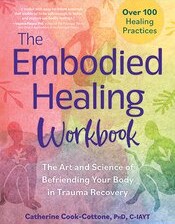
Join Dr. Catherine Cook-Cottone, author of The Embodied Healing Workbook, recognized by leaders including Polyvagal Theory creator, Stephen Porges.
Her clinical approach blends the latest in trauma work, nervous system science, and embodied practice to take your work beyond "doing" interventions…
…to moving clients from survival to healing through being fully present and living anchored, regulated, and at ease in their own body.
PLUS, she'll give you step-by-step guidance on using her go-to breathwork, yoga, mindfulness, and somatic therapy tools to release stored traumatic energy.
You'll walk away with:
- 30+ science-backed healing practices
- Trauma and body-based assessment tools
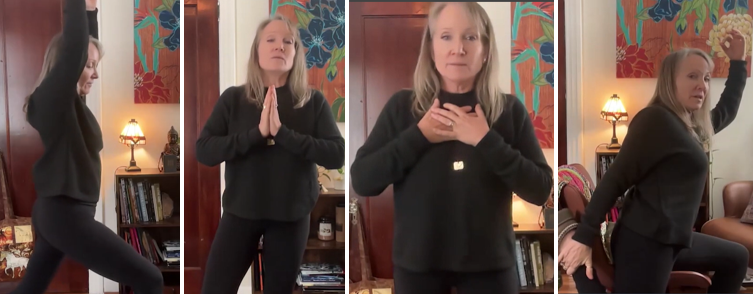
- Hours of video demonstrations on yoga, meditation, and somatic tools
- 25 worksheets from The Embodied Healing Workbook
- FREE certification as a Clinical Certified Trauma Professional (standards apply)
This is more than a training—it's a blueprint for healing you'll return to throughout your career.
Register now!
P.S. Get a FREE bonus session plus a career-advancing certification to boost your reach and reputation.
Embodied Trauma Recovery Certification
Click here for Credit details | Click here for course objectives and outline
"Dr. Cook-Cottone provides a toolkit with easy-to-follow exercises that enable us to be
safe enough to honor and explore our bodily feelings."
-Stephen Porges, PhD
creator
of the Polyvagal Theory

"Amazing! Her energy and enthusiasm keeps viewers engaged. I will highly recommend this
training to others."
-Cynthia, LMSW
"The speaker was outstanding and the course content very
beneficial!"
-Valerie, LICSW

The Embodiment of Trauma
- The embodied self
- Co-regulation
- DSM-5-TR and Posttraumatic Stress Disorder
- Developmental impact of trauma
- Adverse Childhood Events (ACEs)
- Transgenerational impact
- Impact of trauma on the nervous system
- Treatment protocols - CBT, EMDR, PE, NET, ACT, and more
- Embodiment as an integrative intervention

Trauma and Body-Oriented Assessment Tools
- Clinician-Administered PTSD Scale for DSM-5 (CAPS-5)
- PTSD Checklist for DSM-5 (PCL-5)
- Structured Clinical Interview for DSM-5 (SCID-5)
- Brief Trauma Questionnaire (BTQ)
- Life Events Checklist for DSM-5 (LEC-5)
- Trauma Screening Questionnaire (TSQ)
- Posttraumatic Maladaptive Beliefs Scales (PMBS)
- Body-Oriented Scales from the Traumatic Stress Research
- Self-Assessment Tool from the Embodied Healing Workbook
- Comorbidities and challenges of treating comorbid PTSD

Embodiment and the Polyvagal Theory
- Competing drives for connection and protection
- Explaining the nervous system
- Embodiment of safety activation
- Experiential anchor practices
- The stress response system and allostatic overload
- Embodying practice - the second arrow
- Self-awareness scale

Techniques for Befriending the Trauma Body
- Creating the foundations of embodiment work
- The 4, 7, 8 Breathing Method
- A Commitment Letter to Your Body
- Grounding Breath and Centering
- Positive Embodiment Body Scan
- Sensate Focus for Distress

Stabilization: Self-Care and Resource Development
- The self-care imperative
- Developing and maintaining your personal practices
- Mindful Self-Care Scale
- Self-care assessments
- Developing your inner resources
- Yoga Nidra

Sensation Awareness and Basic Processing: Interoceptive and Exteroceptive Awareness, Pendulation, and Distress Tolerance
- From sensations to reaction or response
- Exploring interoceptive and exteroceptive awareness
- Visualization of state activation and sensations
- Discerning safe and unsafe
- Pendulation
- Distress tolerance: paced breathing and paired muscle relaxation
- Noticing and describing sensations
- Case study

Emotion Awareness and Basic Processing
- The function of feelings
- The qualities and components of emotions
- Body maps of emotion
- Interface between feeling and activation
- Noticing habitual and trauma-based reaction patterns
- Being with action urges

Mediation, Somatic and Yoga Practices with Video Demos: Emotions and Therapeutic Embodiment
- Meditation practice - being with difficult emotions
- Self-soothing with internal somatic resources
- Matching needs, practice and directions
- Embodying practice: exploring directions in movement
- Accessible yoga practices
- Demonstrations and case study

Embodied Boundaries: Clinical Tools to Reclaim Safety and Self in Relationships
- Trauma and highly sensitive people
- Embodiment and relationships
- Types of boundaries
- Physical and energetic boundaries meditation
- Creating a boundary work journal
- Boundary setting mindfulness - sensations, feelings, choice
- Meditations for being with difficult people
- Case study

Embodied Wisdom - More than Cognitions
- Working with embodied self-statements
- Exploring the components of your inner compass
- Embodying practice - finding glimmers
Session-by-Session Guide for Embodied Trauma Processing
- De-escalation protocol
- Safety assessment
- Processing trauma across layers of embodiment
- Traumatic memory reprocessing sessions
- Session 1: Getting Started: memory selection, narrative work, and cognitive alignment
- Session 2: Feelings, Sensations, Physiological States, and Action Urges
- Session 3: Integration and close

Post-Traumatic Growth and Joy
- Practices for positive embodiment
- Developing play, creativity, and joy
- Planning for activation
- Writing your hero(ine's) journey
Embodied Trauma Recovery Certification
Click here for Credit details | Click here for course objectives and outline
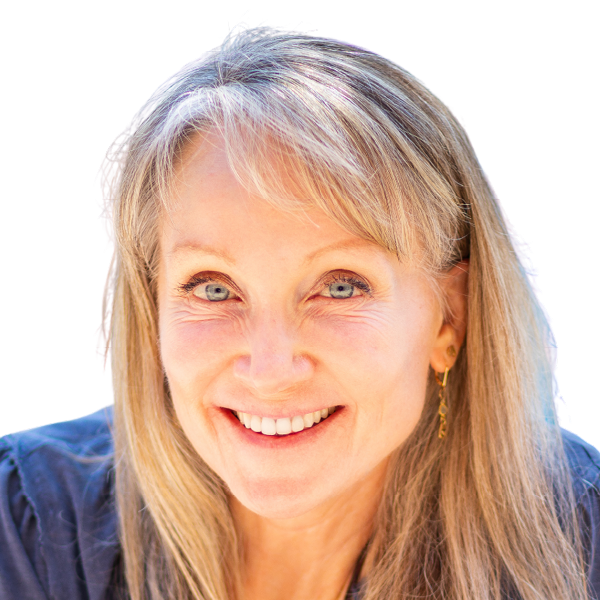
Click here for information about Catherine Cook-Cottone
Dr. Cook-Cottone | {Faculty3WithBio}
Stacy Ruse, LPC, E-RYT-500 | Click here for information about Stacy Ruse
You'll learn:
- Techniques to help clients release stored tension and trauma through body-focused interventions
- How to work with emotional blocks and somatic defenses
- Practical approaches for creating safety and trust in the therapeutic relationship
- How to integrate somatic practices into your sessions for lasting transformation
Embodied Trauma Recovery Certification
Click here for Credit details | Click here for course objectives and outline
In just three easy steps, you will become a Certified Clinical Trauma Professional (CCTP):
Step 2: Complete the continuing education quiz and instantly print your certificate of completion.
Step 3: Submit the Certification Questionnaire included in this training, and your application is complete.
Click here for full Certification requirements
*Professional standards apply. Learn more below.
www.evergreencertifications.com/cctp
Working directly with the physiological patterns that hold traumatic stress in place is a must for any therapist. But body-based tools and somatic techniques affect state, not identity. They can settle activation, but they don't teach clients how to inhabit their bodies with safety or agency—so they risk being temporary fixes. An embodied approach gives you the tools and framework to rewire the underlying physiological patterns so clients can safely reconnect with their bodies, regulate activation, and release stored survival energy in a way that lasts.
When do I get access to the training?
You receive instant, on-demand access to all course modules, worksheets, demonstrations, and bonus sessions as soon as you register. You can move through the training at your own pace and return to any module as often as needed.
How do I become certified?
To earn your Clinical Certified Trauma Professional (CCTP) designation, just complete the training, pass
the post-test, and follow the instructions you'll be provided on screen to apply at no additional cost.
*Professional standards apply.
Learn more about CCTP Certification at: https://www.evergreencertifications.com/CCTP
Do I need any background in yoga, breathwork, or somatics?
Not at all. Dr. Cook Cottone teaches every practice step by step through clear instructions and video demonstrations. The tools are clinically adaptable and accessible, even for providers without movement-based training.
Embodied Trauma Recovery Certification
Click here for Credit details | Click here for course objectives and outline
We’re that confident you'll find this learning experience to be all that's promised and more than you expected.