
Please wait ...

$1,049.95 Value
Just $299.99!
  • Earn up to 23.25 CE Hours Click here for Credit details
  • Unlimited access to videos
  • Includes downloadable materials
  • Two Free bonus modules
  • Digital Badge and Certificate of Completion
GET STARTED NOW!

Register now to deepen your expertise, sharpen your instincts, and strengthen the impact you can make with every teen who walks through your door.

P.S. You'll earn a displayable certificate of completion and digital badge to let everyone know you've completed this in-depth training.

Teen & Adolescent Counseling Specialist Certificate
Today's Best DBT, CBT, and ACT Interventions for Anxiety, Trauma, Anger, and More

$1,049.95 Value Just $299.99 Today!
Plus, earn up to 23.25 CE Hours included in the course tuition.
Click here for Credit details | Click here for course objectives and outline
See What Your Colleagues Are Saying About This Course!

"Such a valuable training… I walked away with a wealth of knowledge to share with my team."
"One of the best and most information-packed trainings I've done!"
"I learned a lot of relevant and exciting information."
"Really comprehensive…impactful information and applicable skills."
"Good stuff and extremely relevant."
Here’s What You’ll Learn
In just 3 simple training modules, this course helps you grow into the steady, skilled specialist teens need. Start by using ACT, CBT, and mindfulness tools to treat trauma, anxiety, identity development, and the everyday stressors teens face. Then learn teen-friendly DBT strategies that build buy-in, reduce emotional intensity, and turn resistance into engagement. In Module 3, master rupture repair techniques that rebuild connections and keep therapy on track.

Treating Teens: Powerful Strategies for Trauma, Anxiety, Identity and More

Susan Kane-Ronning, PhD

Join child/adolescent behavior disorder specialist Dr. Susan Kane-Ronning for a clear look at the role of brain development, hormonal shifts, and attachment patterns in what you see in your teens — and get the screening tools you need to guide treatment. She'll share the ACT, CBT, and mindfulness strategies she's found most effective for anxiety, depression, trauma, image, and identity issues, PLUS the best tools and tips for handling bullying, excessive gaming and screen time, social exclusion, breakups, and more.


The Tumultuous Teen Years

  • Synaptic growth and critical brain changes
  • Hormones: The far-reaching impact
  • The impact of alcohol, cannabis, and other substances
  • Ever-evolving roles and responsibilities

Assessment and Diagnostic Strategies

  • Build attachment-focused therapeutic rapport
  • Screening tools that drive treatment
  • Teen angst vs mental health diagnoses
  • Ethical considerations: How and when to involve parents and caregivers
  • Evaluate suicidality, lethality, and risk of violence
  • Case conceptualization templates
  • Limitations of the research and potential risks

TEEN-SPECIFIC INTERVENTION APPROACHES

  • Anxiety and Depression
    • 10 mindfulness strategies to tame anticipatory anxiety
    • Creative therapies for social anxiety and shyness
    • Techniques for test anxiety, perfectionism, and the inner critic
    • Top strategies for school refusal
    • CBT and mindfulness to mitigate excessive gaming and screen time
    • Must-use ACT approaches for state-of-the world anxiety
    • Case study: 16-year-old, cannabis use, failing grades
  • Trauma, PTSD, and C-PTSD
    • Adverse Childhood Experiences
    • Cultural responsiveness: Racial trauma
    • Family system dysfunction and repair strategies
    • Top trauma treatment modalities and approaches
      • Trauma-focused CBT strategies
      • Energy psychology techniques
      • Mindfulness-based stress reduction activities
    • Case study: 13-year-old, h/o abuse and disrupted attachment
  • Image and Identity
    • Affirmative tools to explore gender identity and sexual orientation
    • Acceptance and positive body image
    • Deal with social media: Cognitive defusion strategies
    • Racial and socioeconomic inequity
    • Mitigate bullying, social exclusion, and breakups
    • Positive self-image through creative therapies
  • High-Risk Behaviors and Challenging Issues
    • Get teens on-board with safety plans for self-injury and suicidal ideation
    • Motivational interviewing and contingency management approaches for substance use
    • Top CBT strategies to address teen insomnia
    • Case study:19-year-old, poly-drug use, h/o sexual assault

The Business of Counseling Teens

  • Confidentiality and ethical considerations
  • Getting teens onboard with therapy and when to incorporate the family
  • Must-use strategies to engage the most reluctant clients
  • When parents are the problem: Next steps
  • Navigating legalities: Lethality risk, suicidality
  • Collaborate with medical professionals and educators
Clinical Applications for DBT of Teens and Young Adults

Charles Jacob, PhD

Join Dr. Charles Jacob for a practical roadmap to using DBT skills with teens — building buy-in, lowering emotional intensity, and turning skills into real-world change. Learn to teach DBT in teen-friendly language, break skills into manageable steps, and handle shutdowns, pushback, and the classic "this is stupid." You'll leave with concrete tools to help teens manage stress, regulate emotions, set boundaries, and strengthen key relationships.

 
The Mental Health of Teens and Young Adults
  • Statistics and trends in the U.S.
  • Anxiety and depression post Covid-19
  • 12-25 year olds vs adults in therapy
    • How therapy differs
    • Is there a “right” way to work with young clients?
  • Three valuable strategies for improved client engagement
Laying the Groundwork of DBT
  • Why DBT is a good option for young people
  • The core components of DBT
    • Mindfulness
    • Distress tolerance
    • Emotional regulation
    • Interpersonal effectiveness
    • Validation
  • DBT as evidence-based practice
    • History and development
    • Hierarchy and stages of treatment
  • Dialectics: the balance of acceptance and change
    • Acceptance-oriented skills
    • Change-oriented skills
    • Examples and case studies
  • Limitations of the research and potential risks
The Process of Therapy
  • Adapting sessions for adolescents: “DBT-A” Group Therapy
  • Tips for an effective and receptive group culture
  • DBT skills in action
  • Individual therapy
  • Elicit-Provide-Elicit model for disseminating skills
  • Behavior and solution analysis strategies
  • Understand irreverence
Utilize DBT Strategies with Teens and Young Adults
Mindfulness – Turning Off Autopilot
  • De-mystify mindfulness
    • A gateway skill & soothing technique
    • Build up the “mindfulness muscle”
    • Make wise mind make sense!
    • Self-care and avoid internal judgment
  • Practical strategies to foster present-moment awareness
    • The perfect mindfulness “sales pitch” to use with young clients
    • In-session mindfulness activities and homework assignments
Emotional Regulation – Accept the Feelings
  • The neuroscience of emotions in teens
  • Valuable tools & skills to recognize, monitor, and manage intense emotions
    • TIP: Temperature, intense exercise, Progressive Relaxation
    • Wise Mind ACCEPTS – develop a skills resource
    • Distraction skills
    • Self-soothing skills
  • Build positive experiences to combat negative emotions
Distress Tolerance – When They Can’t Get Away
  • How to explain a SUDs rating
  • Outline the challenges of exposure and response prevention
  • The radical acceptance “sales pitch”
  • Tips to help teens recognize that all intense emotions pass with time
  • Rating scales to monitor emotions and experience self-efficacy
  • Use of routines and activities to make distress less intense and more manageable
Interpersonal Effectiveness – Create and Maintain Balance
  • Empower adolescents to recognize what behaviors they can control (namely: their own)
  • Reframe the classic DBT acronyms: DEAR MAN, FAST, and GIVE
  • Validate others to engage more effectively
  • Boundary-building skills
  • Step-by-step guide to crafting an effective “empathy statement”
Powerful DBT Strategies for Self-Directed Violence & Suicidal Thoughts
  • Need-to-know statistics and trends
  • Safety and suicide assessment tools
  • Safety planning strategies and examples
  • Bridge-burning strategies for adolescent clients

Therapeutic Ruptures with Teens: A Complete Toolkit to Repair Broken Trust, Rebuild Connection and Get Treatment Back on Track

Sophie Cassell, PhD

Working with teens can feel like a tightrope—shifting motivation, growing independence, and fast-changing emotions can quickly lead to defensiveness and stalled progress. Dr. Sophie Cassel shows you why ruptures happen, how to spot them early, and how to use developmentally attuned repair strategies that rebuild safety, restore connection, and keep therapy moving forward.


Alliance and Ruptures 101
  • Overview of the working alliance
  • Important features of maintaining a therapeutic alliance
  • Defining Rupture – a break in the working alliance
  • Impact of a rupture of the working alliance and treatment
  • Frequency/normality and importance of ruptures in therapeutic process
Adolescence, Developmental Age and Other Treatment Factors
  • How is an adolescent defined developmentally?
  • Distinguish chronological age from developmental age, and why is this important?
  • The impact of adolescence on social relationships
  • Autonomy and pushing boundaries as an important aspect of adolescence
  • Factors that may contribute to rupture (involuntary participation, parental involvement. etc.)
The Keys to Identifying Ruptures in Teen Treatment
  • The types of rupture
  • What do these types of rupture look like? (video references)
  • Behaviors typical of each rupture
  • Understanding ruptures impact on the teen
  • Rupture and countertransference
  • The rupture’s impact on the treatment
Autonomy, Power Dynamics, and the Role of Empathy in Repair
  • How will ruptures manifest differently in adolescents?
  • The power differential and how it affects rupture experience
  • Distinguish autonomy-seeking from rupture process
  • Countertransference experience in a rupture process with adolescents
  • How empathy during ruptures facilitates repair
Targeted Repair Strategies for Teens
  • Mentalization of rupture – what is being communicated during this rupture?
  • 5 common rupture repair techniques
  • How to use adolescent developmental age to tailor repair to your teen
  • How to assess efficacy of repair interventions
  • Ongoing challenges to repair work with adolescents
  • Research, risks and limitations
Teen & Adolescent Counseling Specialist Certificate
Today's Best DBT, CBT, and ACT Interventions for Anxiety, Trauma, Anger, and More

$1,049.95 Value Just $299.99 Today!
Plus, earn up to 23.25 CE Hours included in the course tuition.
Click here for Credit details | Click here for course objectives and outline

Get 2 FREE BONUS trainings when you register!
(A $299.98 value)

Phones, Teens & Plunging Mental Health
 

In this bonus session, you'll connect the dots between smartphones and our stunning drop-off in teen wellness. Better still, you'll go beyond the headlines, into the research about what a healthy relationship with technology looks like, and what we can do to help our teen clients.


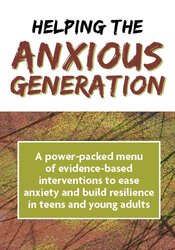
Helping the Anxious Generation: A Power-Packed Menu of Evidence-Based Interventions to Ease Anxiety and Build Resilience in Teens and Young Adults
 

Join Dr. Ashley Smith, an award-winning psychologist, sought-after speaker, researcher and author of The Way I See It: A Psychologist's Guide to a Happier Life! for the latest and most effective techniques to treat teens. Drawing on evidence-based clinical interventions and 20 years of specializing in youth anxiety, clinicians are calling this session with Dr. Smith "exceptional," "one of the best I have ever seen," and full of "takeaway skills to use with clients."

Meet the Course Experts
Susan Kane-Ronning, PhD
Susan Kane-Ronning, PhD, maintains a private practice in Bellingham, Washington, providing counseling services to children and families. She also serves as a consultant to school districts and agencies, conducting lethality/risk evaluations for youth who make threats to schools in addition to working with personal injury attorneys in high-profile personal injury and trauma cases. She currently serves as adjunct faculty at Seattle Pacific University and Central Washington University.

Dr. Kane-Ronning is a Certified Level II Clinical Trauma Professional and a Certified Family Trauma Professional. She has a vast professional background working with adolescents, both as an educator and psychologist. She holds a bachelor's degree in special education, and both master's and PhD degrees in counseling psychology. Dr. Kane-Ronning began her career as a high school teacher who worked with street kids and dropouts and created and implemented grant-funded interventions aimed at youth at risk for substance abuse, juvenile delinquency, and school dropout.

Click here for information about Susan Dea Kane-Ronning
Charles Jacob, PhD
Charles Jacob, PhD, is a psychologist, research scientist, and author with over 20 years of clinical experience conducting and overseeing the delivery of mental health services to individuals with severe mood and personality disorders. He is a recognized expert in Dialectical Behavior Therapy (DBT), Cognitive Behavioral Therapy (CBT), and Motivational Interviewing (MI) and has delivered workshops, seminars, and courses on these topics at universities and institutions throughout the world. He has held numerous academic positions, and currently works as a research associate for a Washington DC-based consulting firm. He is a past president of the ACA's Pennsylvania branch and has been a featured interviewee on several episodes of NPR's The Pulse. Dr. Jacob completed his PhD in the counseling ed program at the Pennsylvania State University, followed by a year of postgraduate training at the Center for Cognitive Therapy at Penn. He was a Fulbright Specialist through the US Department of State, is certified in DBT, and is an Evergreen Certifications approved CBT-C consultant.

Click here for information about Charles Jacob
Sophie Cassell, PhD
Sophie Cassell, PhD, is a licensed psychologist in New York State. Formerly an educator, she is now an expert in the treatment of adolescents. She boasts an extensive educational background, including a master's from the University of Miami and a doctorate from the Derner School of Professional Psychology at Adelphi University. Dr. Cassell has worked in numerous treatment settings, including schools, juvenile adjudication programs, inpatient and outpatient hospital settings, and private practice. Currently, Dr. Cassell operates her own private practice wherein she offers individual therapy, attachment-based family therapy, and neuropsychological testing for middle - and high-school aged adolescents and young adults.

Click here for information about Sophie Cassell
Teen & Adolescent Counseling Specialist Certificate
Today's Best DBT, CBT, and ACT Interventions for Anxiety, Trauma, Anger, and More

$1,049.95 Value Just $299.99 Today!
Plus, earn up to 23.25 CE Hours included in the course tuition.
Click here for Credit details | Click here for course objectives and outline

Frequently Asked Questions


If you care deeply about showing up for teens—and you want to feel equipped, confident, and prepared with tools that help them regulate, connect, and heal—this training was made for you. The interventions are flexible and designed for use in a wide variety of treatment settings, including private practice, school, residential programs, or community health.


Yes. Start anytime. Go as fast or slow as you need. Rewatch any time with unlimited access!


You can earn up to 23.25 CE hours (exact hours depend on your licensing board and location). CE credit is included in your registration — no extra fees.


Great question! You'll receive an exclusive displayable certificate of completion when you finish this course.

A certificate is a document issued upon completion of a training program. Certification, on the other hand, often requires you to meet specific standards, pass rigorous exams, and many even include additional practice, consultation, supervision, evaluations, and ongoing continuing education requirements. While you will need to pass an exam, this course does not include many of these elements — making this a "certificate" program.

This certificate does distinguish you as a professional who has trained more extensively in this area…and it's an acknowledgment that can set you apart in the eyes of clients.


This training offers extended training in working with teens and adolescents. It does not include clinical experience, supervision, or consultation. Clinicians should consider their own scope of practice, background, experience, and professional Code of Ethics when determining whether to refer to themselves as a "specialist."


The Next Steps in Advancing Your Practice
Watch your email for your order confirmation, and get instant access to over 23 hours of engaging video training. Click here for course objectives and outline.
Review the course materials at your own pace and at your convenience! You'll have unlimited access to all course videos and materials. Plus, use the PESI Mobile app to access the course content on the go, wherever and whenever you want on your mobile devices.
Instantly collaborate with other professionals through interactive message boards. You'll be part of a community of hundreds of practitioners, providing valuable opportunities to share insight and experiences and to build your professional network.
Complete your online CE tests and earn up to 23.25 CE hours! Click here for Credit details and credit details specific to your profession.
Teen & Adolescent Counseling Specialist Certificate
Today's Best DBT, CBT, and ACT Interventions for Anxiety, Trauma, Anger, and More

$1,049.95 Value Just $299.99 Today!
Plus, earn up to 23.25 CE Hours included in the course tuition.
Click here for Credit details | Click here for course objectives and outline
100% Satisfaction Guarantee
Register for this intensive training course without risk. If you're not completely satisfied, give us a call at 800-844-8260.

We’re that confident you'll find this learning experience to be all that's promised and more than you expected.

NOTE: No additional discounts or coupons may be applied to this course.
CRS002346 • © PESI Inc.  •  All rights reserved  •  Email: courses@pesi.com  •  Phone: 800-844-8260  •  FAQs
Back to Top