Please wait ...

When clients use addiction to cope with the challenges of life, treatment becomes a non-stop battle.
…you feel like you're watching them derail their lives, continuously.
Your role is to help these clients have a therapeutic breakthrough… and fast.
This Addictions Certification Training course, features Paul Brasler, LCSW, CAIMHP, Ali Hall, MINT Certified Trainer, and Kristin Dempsey, EdD, experts with over 60 years of combined experience. They'll give you step-by-step guidance and tools for immediately targeting addiction and co-occurring trauma to assess, treat, and support recovery starting with your very next session!
Here's how this addictions certification will advance your skills and your clients' lives…
- Build autonomy and self-efficacy with a collaborative, client-led approach
- Blend strategies from CBT, ACT, and MI to tailor to clients' unique needs
- Learn specific MI dialogues to use affirming open-ended questions that reduce overwhelm
- Know exactly what to do when clients are in active addiction, experiencing suicidality, self-harm, or have other co-occurring issues
PLUS, you'll learn the Harm Reduction model so you can truly meet clients wherever they're at in their healing journey.
As an added BONUS, you'll get access to the training “Co-Occurring Disorders in Substance Use Treatment” AND you'll be eligible to become a Certified Addictions-Informed Mental Health Professional (CAIMHP) through Evergreen Certifications* — a $349.99 value, completely free!
Register today to become the life-changing therapist that gets clients to redirect their life toward stability, healing and meaning. AND gain career-enhancing addictions certification training!
Addiction Treatment Certification Training
Credit details | Course objectives and outline

Part 1: Trauma-Informed Addictions Certification Training
- Biopsychosocial aspects of substance abuse
- Attachment & trauma
- The brain's reward system
- How metabolism impacts substance abuse
- Alcohol & other depressants
- Stimulants
- Opioids
- Cannabinoids
- Psychoactive plants & chemicals
- Inhalants
- Screening tools
- Substance use disorder assessment
- Identify substance use symptoms that mimic mental health symptoms
- Recognize co-occurring disorders & trauma
- Non-invasive drug screenings
- How to approach level of care decisions
- Why detox alone is NOT treatment
- Withdrawal management protocols
- Types of inpatient & outpatient treatment
- Which treatment level is right for your client?
- Compulsive gambling
- Compulsive sexual behaviors
- Electronic addictions
Treatment of Substance Use Disorders
- Motivational interviewing
- Reward gains & treatment compliance
- Case management: Link the client to resources
- Harm reduction
- Medication-assisted treatment
- The role of the ego in addiction & recovery
- Identify & confront defense mechanisms
- Internal Family Systems
- Apply the A-B-C model to substance use
- Recognize triggers to use
- Foster coping skills
- Deconstruct negative schemas
- The family's role in recovery
- Family member roles: Enablers & heroes
- Overcome family rules that block progress
- When the client is shielded from consequences
- How & when to engage the entire family
- Children & adolescents
- Active military & veterans
- LGBTQ clients
- Pregnant clients
- Older adults
- Handling intoxicated members
- How group support works differently
- Barriers to treatment
- Getting people to talk
- Understanding 12-step groups & alternatives
- Privacy laws & when you should disclose
- Impaired practitioners
- Working with incarcerated clients
- Drug treatment courts
- Bias in treating recovering clients
- Recognize & address vicarious trauma
- Limitations of the research & potential risks
Part 2: Harm Reduction Therapy with ACT and MI
- Harm reduction therapy as a social movement
- What is harm reduction therapy and how to use it
- Key benefits of using harm reduction
- Overview of the types of interventions that help reduce harm
- Components of harm reduction therapy based on initial grounded research
- Definition of motivational interviewing and history of the approach in SUD treatment
- The “spirit” of MI and the importance of a trauma-informed approach to build trust
- The skills of MI – OARS and how the OARS build trust, choice, and empowerment
- The process of MI – The roadmap that can assist clinicians in knowing when and how to move forward with harm reduction
- Case study demonstration: Client ambivalence about substance use in a harm reduction conversation.
- Understand ACT and how ACT can assist in reducing distress and building hope
- The ACT “hexaflex” and its role in promoting psychological flexibility
- The importance of identifying and building values in recovery
- Case study demonstration: Clinicians will use an ACT defusion technique to help the client manage their distress over recurrent thoughts about using.
- Case study demonstration: How to help client move toward taking steps (building basic goals) that move them toward their values.
- Conceptualization and sample intervention for:
- Non-suicidal self-injury
- Aggressive interpersonal interactions
- Avoidance
- Procrastination
- Harm Reduction for SUDs
- Conceptualization
- MI Interventions for SUD
- ACT interventions for SUD
- Gaming
- Online Shopping
- Pornography Use
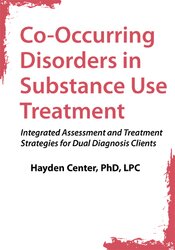
Co-Occurring Disorders in Substance Use Treatment: Integrated Assessment and Treatment Strategies for Dual Diagnosis Clients
Hayden Center, PhD, LPC
In this comprehensive training, Hayden Center, PhD, LPC, will share the skills, interventions and clinical insights he's cultivated over three decades of work with clients. You'll get detailed examples and real-world case studies that make the strategies he shares accessible and applicable to clinicians at every level.
Discover how you can:- Cut through the complexities to complete a thorough assessment of treatment needs
- Confidently address high-risk issues like ongoing use of fentanyl-adulterated street drugs and danger to self and others.
- Skillfully tackle stage of change and level of motivation challenges
- Write observable and measurable goals and objectives for treatment plans
- Reduce risk of relapse with individualized and whole person approaches
- Integrate substance use disorder treatment with interventions for specific diagnoses such as PTSD, depression, bipolar disorder, anxiety disorders, ADHD, and more

Certified Addictions-Informed Mental Health Professional (CAIMHP)*
We're covering the cost of certification!
That's right! Once you complete all the educational requirements, you can become a Certified Addictions-Informed Mental Health Professional (CAIMHP)* — it's as simple as that! Certification changes careers — let it change yours.
CAIMHP Certification in just three easy steps…
- Step 1: Watch the online course and complete all requirements.
- Step 2: Complete the CE tests and instantly print your certificates of completion.
- Step 3: Submit your certification questionnaire, certificates of completion, application form, and professional license to Evergreen Certifications, and we'll cover the cost of your certification for 1 year!
*Professional and clinical experience standards apply. Click here for full Certification requirements.
Addiction Treatment Certification Training
Credit details | Course objectives and outline
Information about Paul Brasler

Information about Ali Hall

Information about Kristin Dempsey

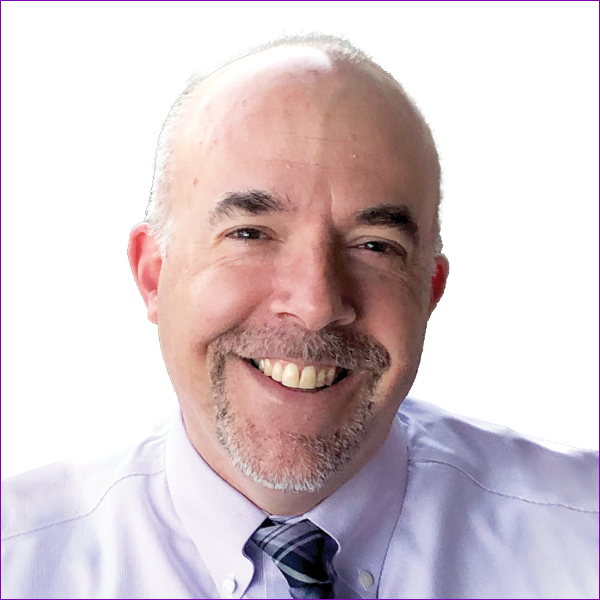
Information about Hayden Center
YES! Whether you're in private practice, an outpatient clinic, residential care, time-limited, or any other setting, you're going to see clients struggling with trauma and addiction. This course gives you a skill set that is both trauma-informed and addiction-focused, which you can apply to diverse client presentations in any setting.
Treat the trauma, treat the addiction, and see life-long change. It's that easy.
Set yourself apart with post-graduate level educational training that takes you and your clients further. The field of addiction treatment is ever-changing with new research on the brain, new drugs, and even revamped treatment modalities and strategies. Becoming a Certified Addictions-Informed Mental Health Professional* shows clients, colleagues and employers that you are staying on the cutting-edge of the highest standard of care.
CAIMHP Certification in just three easy steps…
- Step 1: Watch the online course and complete all requirements.
- Step 2: Complete the CE tests and instantly print your certificates of completion.
- Step 3: Submit your certification questionnaire, certificates of completion, application form, and professional license to Evergreen Certifications, and we'll cover the cost of your certification for 1 year!
*Professional and clinical experience standards apply. Click here for full Certification requirements
Immediately! You can start your training as soon as you register. You will have on-demand and Unlimited Access to all the materials.
Addiction Treatment Certification Training
Credit details | Course objectives and outline
We’re that confident you'll find this learning experience to be all that's promised and more than you expected.