Race & Trauma Conference: Culture, Embodiment, and the Future of Trauma Treatment
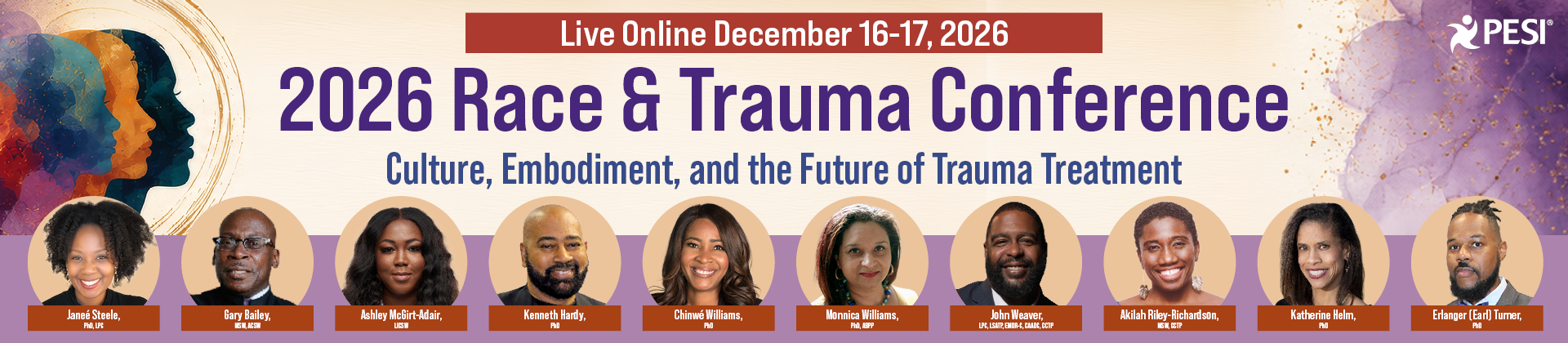
- Earn up to 15 Live CE Hours
- Watch Live or Recording Package
- Includes 3 bonus sessions
- Includes downloadable materials
- Q&A opportunities
You entered this work to help people heal. But there's a moment every clinician knows: something surfaces in session — tension, withdrawal, a reaction that doesn't add up — and you can feel it's rooted in race, history, or identity. Still, you're not sure whether to name it, how to name it, or whether naming it will help or harm. That hesitation isn't a failure of care — it's a gap in training.
The 2026 Race & Trauma Conference is built to close it.
This isn't about adding a new lens to your existing approach. It's about recognizing that racialized stress lives in the nervous system and the body, shapes the therapeutic alliance, and often determines whether a client feels safe enough to stay in the room at all. When clinicians miss it, treatment stalls — not because the client isn't ready, but because the work hasn't reached what's actually happening.
Over two days, you'll build the kind of fluency that changes how you practice:
- Recognizing racial and cultural trauma before it derails a case
- Reading the therapeutic relationship across racial difference with more confidence, not more caution
- Bringing somatic and evidence-based approaches together instead of choosing one
- Knowing what to say — and what not to assume — when oppression and systemic harm enter the room
You'll leave with language you can use in session on Monday, a sharper read on what your clients are carrying, and the kind of clinical confidence that comes from finally having the training to match the work you're already doing.
This is what changes when you have the training: cases that used to stall start moving. Clients feel understood in ways they haven't before. You'll walk into your next session with the skill to act on what you're seeing, not just notice it. Register now.
2026 Race & Trauma Conference
Culture, Embodiment, and the Future of Trauma Treatment
Advanced registration discount ends 11/25/26
- Connect with speakers and peers
- Up to 15 live CE credits are available
- Bonus up to 4 hours of self-study CE
- 30-day access to the archive recording
Advanced registration discount ends 11/25/26
- Self-paced learning anywhere, anytime
- Unlimited access to every session
- Includes 3 bonus on-demand trainings
- Earn up to 19 self-study CE hours
Your registration is 100% risk-free. Cancel at any time for a complete refund.
This course is not affiliated with EMDRIA and does not qualify toward EMDRIA credits or training.
Where Race and Trauma Actually Meet in the Room
Race and culture shape how clients experience safety, trust, and healing — sometimes subtly, sometimes as the trauma itself. Racial trauma in particular often doesn't fit neatly into standard diagnostic frameworks: it can show up as hypervigilance, shutdown, or mistrust long before a clinician recognizes its source, and it can move through generations. Most clinicians were never trained to recognize either.
The 2026 Race & Trauma Conference brings together leading clinicians, researchers, and practitioners to explore how race, identity, and trauma intersect in clinical work — and gives you the frameworks to act on it.
Across two immersive days, you'll learn from experts on:
- Racialized stress and its impact on clients of color
- Culturally responsive care
- Racial trauma across the lifespan
- Somatic approaches to healing
- Identity-based and historical trauma
- The complexities of doing this work across racial differences
You'll also leave with practical tools for:
- Working with racial trauma in couples
- Adapting cognitive approaches for stereotype-related concerns
- Strengthening supervision through a racial trauma-informed lens
This isn't just diversity or cultural competency training. It's advanced clinical education focused on how race, trauma, and healing actually show up in the therapy room. Two days that will change how you practice from the very next session — register today.

"Dr. Kenneth Hardy presents a potent analysis of the impact of racial socialization and racial trauma in the lives of People of Color. His account is made more powerful by his poignant narrative of racial trauma in his own life. But importantly, Dr. Hardy charts a hopeful path toward healing the hidden wounds of racial trauma and he paves the way for engagement across race to create a new voice for healers and organizations." – John R.
"John (Weaver) is a very engaging presenter who is passionate about the topic. I particularly enjoyed his off the slide screen comments" – Linda W.
"Dr. Lisa Connors enhanced and emboldened my clinical skills and personal perspectives. She is FABULOUS – professional, engaging and beyond competent. MORE from her please!" – Tara M.
"Dr. Williams was engaging, warm, organized, experienced, and made the material very accessible." – Katherine S.
"(Dr. Steeles) presentation was incredibly in-depth and I'm so thankful for the time and care she clearly put into creating her workshops... I would love to see more workshops surrounding this work." – Clarisse D.
"These trainings are so needed, I want more! Can’t wait to explore resources and references as well as Dr. Williams website and amazing work. Thank you." – Karalee H.
"Ashley McGirt-Adair offers a powerful and much-needed contribution to our understanding of racial trauma. As a leading expert in this work, she brings clarity to the historical and generational battles our community faces, blending scholarship and lived experience in a way psychology has often missed." – Patrice D.
"I would love to see more presentations from Gary Bailey, he is a VERY knowledgeable and well-spoken presenter." – Mary M.
2026 Race & Trauma Conference
Culture, Embodiment, and the Future of Trauma Treatment
Advanced registration discount ends 11/25/26
- Connect with speakers and peers
- Up to 15 live CE credits are available
- Bonus up to 4 hours of self-study CE
- 30-day access to the archive recording
Advanced registration discount ends 11/25/26
- Self-paced learning anywhere, anytime
- Unlimited access to every session
- Includes 3 bonus on-demand trainings
- Earn up to 19 self-study CE hours
Your registration is 100% risk-free. Cancel at any time for a complete refund.
This course is not affiliated with EMDRIA and does not qualify toward EMDRIA credits or training.

Racial trauma rarely shows up in a clinical intake as itself. It surfaces instead as hypervigilance mistaken for anxiety, withdrawal read as avoidance, or disengagement that goes unexplained. Most training on the topic builds awareness without giving clinicians a framework for what surfaces in the room. This workshop draws on the work by Kenneth V. Hardy, PhD, professor at Drexel University and director of the Eikenberg Institute for Relationships, to map the critical invisible wounds of racial trauma and examine the self of the therapist dynamics that can support or undermine effective care.
Attendees will leave able to:
- Describe racial trauma's psychological, relational, and intergenerational impact
- Apply a racially sensitive, trauma-informed assessment framework
- Identify treatment strategies that center race, oppression, and resilience
- Examine their own Self of the Therapist factors in this work

Couples often carry wounds that were never created inside the relationship. Yet therapists are typically trained to focus on communication, attachment injuries, and family-of-origin history, with little attention to systemic oppression. The result: race-based survival strategies get misread as pathology or poor communication. Akilah Riley-Richardson introduces a liberatory framework, including Relational Privilege and the PRIDE Model, for recognizing when the system, not the couple, is driving the distress.
Attendees will leave able to:
- Distinguish race-based survival adaptations from attachment wounds
- Recognize how oppression shapes conflict and safety in BIPOC couples
- Apply the PRIDE Model to rebuild emotional safety and connection
- Use culturally responsive questions to assess systemic trauma in couples
MID-DAY BREAK

Racial trauma can shape a client's sense of safety, identity, relationships, and engagement in treatment. Yet it's often missed when clinicians rely on conventional trauma screening or avoid naming racism in the therapy room, leaving hypervigilance, grief, anger, somatic distress, or mistrust addressed as symptoms while the racial and systemic context goes unaddressed. Trauma therapist and Therapy Fund Foundation founder Ashley McGirt-Adair, LICSW, teaches clinicians how to recognize the individual, vicarious, collective, historical, and intergenerational dimensions of racial trauma, and how to respond with culturally responsive assessment and intervention.
Attendees will leave able to:
- Distinguish racial trauma from single-event trauma and recognize its overlap with PTSD, anxiety, and depression
- Use culturally responsive, permission-based questions to assess racial identity and safety
- Respond to racial ruptures and microaggressions through accountability and repair
- Identify risks like retraumatization, overidentification, and racial essentialism in treatment
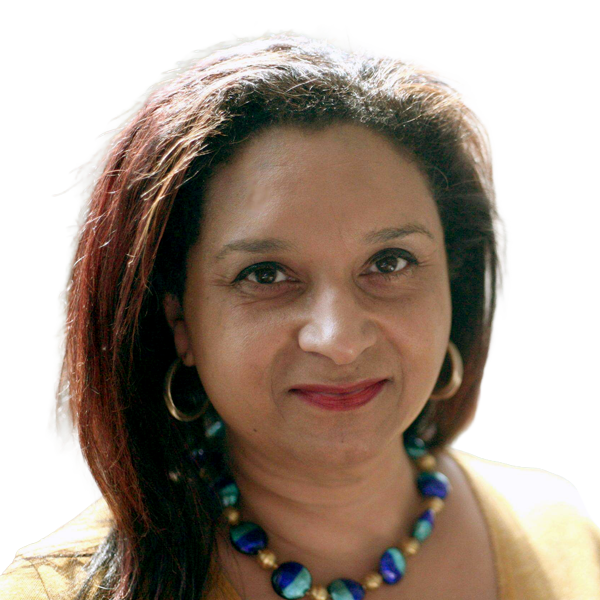
A client comes to therapy carrying the weight of racism they've lived through. Their symptoms don't map cleanly onto a PTSD checklist, so the trauma goes unnamed and untreated. Few clinicians are trained to recognize racial trauma for what it is, and fewer still know how to treat it when they don't share the client's racialized experience. Dr. Monnica T. Williams, developer of the Healing Racial Trauma Protocol and the Racial Trauma Scale, teaches clinicians how to assess racial trauma with validated measures and treat it using a three-phase protocol built for work across racial difference.
Attendees will leave able to:
- Differentiate racial trauma from other trauma using DSM-5 criteria
- Distinguish validating clinical responses to racism from invalidating ones
- Match micro-intervention strategies to the client's situation
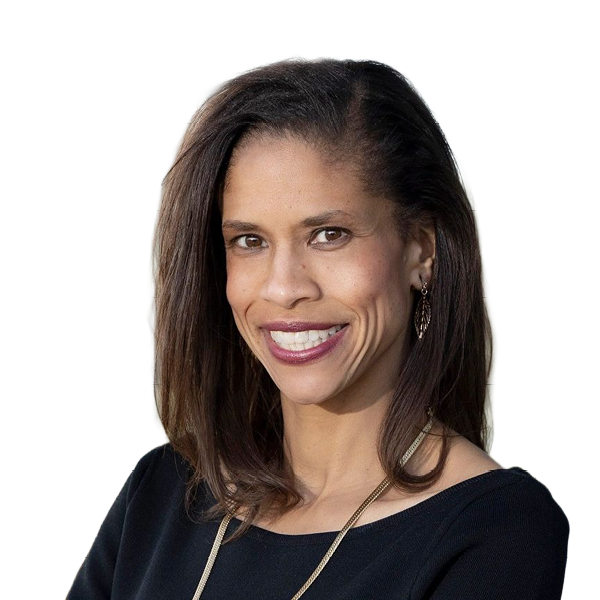
Clients' emotional distress is often shaped not only by individual experience but by the cumulative effects of discrimination, microaggressions, stereotype threat, and systemic inequities. Many clinicians report feeling underprepared to assess and address these experiences in ways that are both culturally responsive and grounded in current research. Dr. Katherine Helm examines the psychological and physiological effects of racialized stress and offers practical interventions clinicians can bring directly into session.
Attendees will leave able to:
- Define racialized stress and distinguish it from general life stress
- Integrate culturally responsive assessment strategies into clinical interviews
- Apply case conceptualization models that account for identity and resilience
- Use evidence-based interventions that strengthen alliance and support resilience

Most clinical training on racial trauma builds awareness but stops short of giving clinicians a way to work with what shows up in the nervous system and the body. Standard trauma protocols, meanwhile, were largely developed without accounting for the layered, ongoing, and often intergenerational nature of racialized harm. Dr. Chinwé Williams will give you concrete somatic and EMDR-informed strategies for working with racial and intergenerational trauma.
Attendees will leave able to:
- Name embodied trauma responses as adaptive, not pathological
- Build somatic resourcing and safety before reprocessing work
- Adapt EMDR history-taking and target selection for racialized material
- Recognize research limits to avoid misapplication and retraumatization
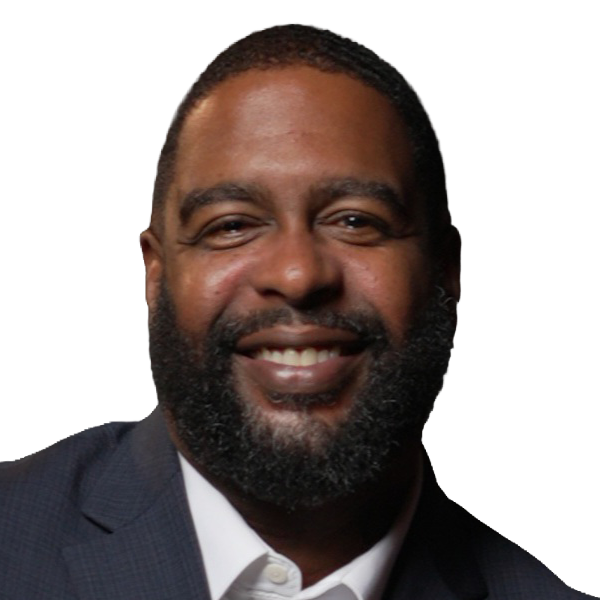
Identity-based stress and historical trauma shape emotional regulation, relationships, and treatment engagement across the lifespan. Clinicians often miss them, though, when clients don't name their experience as "trauma" or when symptoms present as more familiar diagnoses like anxiety or depression. John Weaver shows clinicians how to recognize identity-based stress and historical trauma at each developmental stage, and respond with assessment and intervention strategies built for the client in front of them, not a generic protocol.
Attendees will leave able to:
- Tell isolated events apart from chronic, cumulative, and intergenerational trauma
- Recognize how identity-based stress shifts across the lifespan
- Apply assessment strategies grounded in context and client meaning
- Adapt interventions that affirm identity without over-pathologizing
MID-DAY BREAK
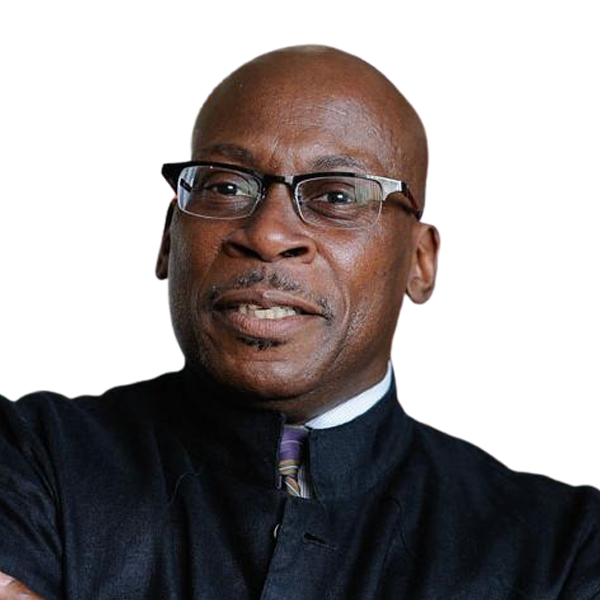
Practitioners today are called to do more than respond to crisis. In this training, Dr. Bailey examines how individuals and systems can move beyond traditional models of advocacy and resistance, toward a vision of justice grounded in radical care, empathy, courage, and collective responsibility. Through critical reflection, dialogue, and connections to current events, attendees will be challenged to think expansively about the future and their role in shaping it.
Attendees will leave able to:
- Apply revolutionary grace as a leadership framework balancing compassion and justice
- Connect social work's legacy of dignity and inclusion to current challenges
- Identify their role in collective action through "Each One, Get In Where You Fit In"
- Engage in reflection and dialogue that strengthens leadership and collaboration

Fear of negative evaluation drives social anxiety treatment. But for clients from marginalized groups, that fear may reflect real social risk rather than distorted thinking. Automatically challenging it as irrational can invalidate the client's experience and misapply standard CBT technique. Dr. Janeé Steele shows clinicians how to distinguish stereotype confirmation concerns from traditional fear of negative evaluation, and how to adapt CBT accordingly.
Attendees will leave able to:
- Distinguish anxiety-driven predictions from stereotype confirmation concerns
- Conceptualize fear of negative evaluation within sociocultural context
- Adapt cognitive restructuring and exposure work to fit clients' lived experience
- Build behavioral flexibility while accounting for real social risk
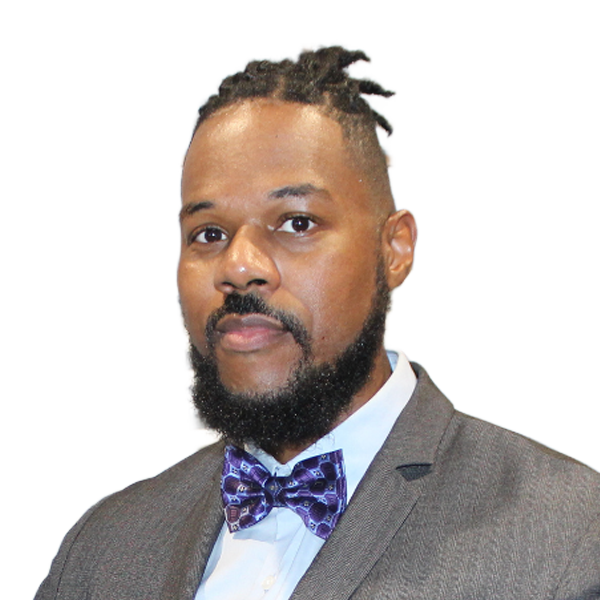
Supervisees often know the multicultural theories, but supervision check-ins stay task-focused. Race, culture, and vicarious stress rarely come up directly. Left unaddressed, that gap shows up as a supervisee who stops disclosing, disengages from cases touching on identity, or reaches burnout before anyone names it. Dr. Erlanger "Earl" Turner will give you the tools in this training to broach race, culture, and power directly, and turn multicultural theory into active supervisory practice.
Attendees will leave able to:
- Differentiate vicarious trauma, burnout, and racial trauma in supervisees
- Apply broaching language to reduce supervisee nondisclosure
- Recognize early indicators of vicarious racial trauma
- Build supervisory practices that support psychological safety
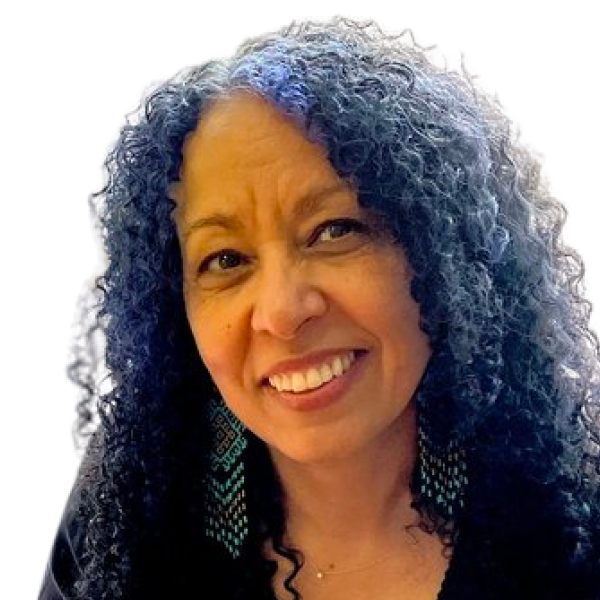
Experience Marianela Medrano, PhD, LPC, CPT, a writer and mindfulness teacher, as she walks you through innovative interventions that you can use to help your clients move from mourning into the spiritual experience of grieving and healing from historical trauma and grief. Drawing on her expertise as a scholar, researcher, and psychotherapist, Dr. Medrano blends case studies with creative strategies for long-lasting transformation in your client's lives. Explore the interfacing relationship between historical/contemporary events, the ensuing trauma, and the impact that the erasure of indigenous ways of grieving via rituals has had on many peoples, and how to creatively and culturally appropriately facilitate the mourning process aborted for some. Unresolved historical grief is pernicious and travels intergenerationally; learn the power of ancient wisdom to heal personally and collectively. In other words, the long-range impact of unresolved grief among the BIPOC populations is a must-focus for consciously aware clinicians.


Somatic abolitionist. That's how Resmaa Menakem, bestselling author of My Grandmother's Hands, defines himself. He's brought trauma and healing work to military bases, school districts, and police departments, refining what he calls cultural somatics: an embodied, antiracist way of living. White supremacy lives in the body, just as racial trauma does, no matter how much reading or talking we do around it. Joined by author Talisa Beasley, Menakem offers a road map for slowing down enough to tell historical pain from personal pain, and to see the role we may be unwittingly playing in keeping racism's effects alive in our bodies.

Although many mental health professionals have received training on Western forms of well-being that center individual perspectives, these modalities may not reflect effective strategies when working with Black, Indigenous, and People of Color (BIPOC) clients. As mental health diagnoses disproportionately impact BIPOC communities, it is of paramount importance for clinicians to consider how cultural dynamics and systemic forms of racism and oppression may impact BIPOC mental health. This engaging session outlines the importance of decolonizing mental health perspectives, provides specific strategies for culturally responsive treatment, and empowers attendees to use culturally embedded strategies for self-nourishment and well-being.
2026 Race & Trauma Conference
Culture, Embodiment, and the Future of Trauma Treatment
Advanced registration discount ends 11/25/26
- Connect with speakers and peers
- Up to 15 live CE credits are available
- Bonus up to 4 hours of self-study CE
- 30-day access to the archive recording
Advanced registration discount ends 11/25/26
- Self-paced learning anywhere, anytime
- Unlimited access to every session
- Includes 3 bonus on-demand trainings
- Earn up to 19 self-study CE hours
Your registration is 100% risk-free. Cancel at any time for a complete refund.
This course is not affiliated with EMDRIA and does not qualify toward EMDRIA credits or training.
2026 Race & Trauma Conference
Culture, Embodiment, and the Future of Trauma Treatment
Advanced registration discount ends 11/25/26
- Connect with speakers and peers
- Up to 15 live CE credits are available
- Bonus up to 4 hours of self-study CE
- 30-day access to the archive recording
Advanced registration discount ends 11/25/26
- Self-paced learning anywhere, anytime
- Unlimited access to every session
- Includes 3 bonus on-demand trainings
- Earn up to 19 self-study CE hours
Your registration is 100% risk-free. Cancel at any time for a complete refund.
This course is not affiliated with EMDRIA and does not qualify toward EMDRIA credits or training.
This conference is for you if you're ready to finally understand racial trauma the way it actually lives in your clients, not the way a textbook describes it. Over two immersive days, you'll learn from the field's leading voices on racialized stress, culturally responsive care, somatic healing, and trauma that moves across generations and bodies. With cutting-edge frameworks from clinicians and researchers redefining how this work gets done, you'll walk away equipped to work with racial trauma in couples, transform how you approach stereotype-related concerns, and bring a racial trauma-informed lens into every supervision session you lead. This isn't diversity training. It's a complete shift in how you see, understand, and treat racial trauma, and it starts changing your practice the moment you walk out of day one.
This conference is designed for:
- Counselors
- Social Workers
- Psychologists
- Marriage & Family Therapists
- Psychotherapists
- Other Behavioral Health Professionals
Is this really live?
YES, both days will be live online and most sessions will be around 90 minutes.
Will I be able to ask the speakers questions live?
YES! All sessions will include live Q&A in the last 10-15 minutes of the training.
Can I get CE for this conference?
Continuing education credit is provided for psychologists, social workers, mental health counselors, marriage and family therapists, and psychotherapists. You must attend live in order to earn CE hours for the live sessions.
If I can't attend LIVE, can I still get credits?
Yes! Just register for our fully on-demand version of this conference, which will be available 4-6 weeks after the live event dates of December 16-17, 2026. You'll get unlimited access to the conference and will be able to earn self-study CE hours! Click here to learn more and register to earn CE on your own schedule.
Will there be breaks during the live conference?
There will be a 30-minute lunch and 10-minute breaks between each workshop. The detailed schedule is above.
I still have a question. Who do I contact?
Reach out to Contact Us for questions. We're happy to help!