This conference is for mental health professionals across disciplines, including counselors,
psychologists, social workers, marriage and family therapists, psychiatric nurses, and other
clinicians who work with military service member and veteran clients. Whether you’re newer to
working with this population or already have years of experience, this training is designed to
strengthen your clinical toolkit.
Live Event! | 2026 Military and Veterans Mental Health Summit
Before a military service member or veteran shares their trauma, they’re asking one silent question:
“Do you understand my world?”
And if you can’t speak the language of those who’ve served, you’ll never hear the stories they’re finally ready to tell.
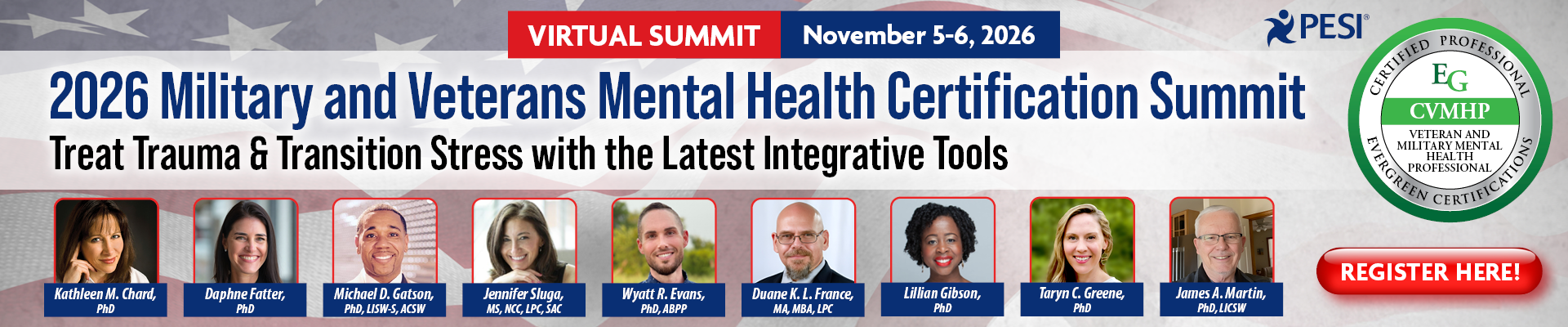
That’s why we’re excited to bring you the 2026 Military and Veterans Mental Health Certification Summit –
An immersive virtual training experience that will give you the tools you need to be the clinician they can trust with their struggles.
Join our faculty of expert clinicians – many of whom have served in the U.S. Armed Forces themselves – as they walk you through in-depth techniques from CPT, IPT and more for handling today’s top issues in military and veteran mental health treatment.
Whether you work in or out of the DoD or VA, have seen military and veteran clients for years, or just want to serve more of them —
You’ll gain fresh insights and practical tools from leaders in the field including co-developer of Cognitive Processing Therapy (CPT) Dr. Kathleen M. Chard, moral injury expert Dr. Wyatt Evans, author and international speaker Dr. Daphne Fatter, and many more.
PLUS, you’ll have the opportunity to become a Certified Veteran and Military Mental Health Professional (CVMHP) through Evergreen Certifications – giving you a recognized credential that signals to your clients:
“I’ve done the work. I’ve prepared. I’m here for you.”
They served for us. Now it’s our turn.
Military Culture • Ethical Competencies • Practice Guidelines • Domestic Deployment Stress • Institutional Betrayal • Documentation for Disability Benefits • Posttraumatic Growth • Removal of Accolades • Combat, Sexual, and Medical Trauma • Impact of Discharge • Post-Service Adjustment • Stigma • Regulatory Demands • And More!
2026 Military & Veterans
Mental Health Certification Summit
Treat Trauma & Transition Stress with the
Latest Integrative Tools
Live Virtual Summit • November 5 & 6, 2026 • 9:00
am – 5:00 pm CT
Valued at $1,409.85
– Only
$99.99 when you register by October 5th,
2026
YES! I Want to
Attend Live!
Attend Live!
ALL-ACCESS PASS
Advance Registration Discount Ends 10/05/2026!
- Connect with speakers and peers
- Up to 13.75 live CE credits are available
- Bonus 12 hours of self-study CE
- 30-day access to the archive recording
- Become a Certified Veteran and Military Mental Health Professional (CVMHP)
YES! I Want
This
On-Demand!
On-Demand!
Complete Recording Package
Advance Registration Discount Ends 10/05/2026!
- Self-paced learning anywhere, anytime
- Unlimited access to every session
- Earn up to 25.75 self-study CE hours
- 7 bonus sessions included
- Become a Certified Veteran and Military Mental Health Professional (CVMHP)
Your registration is 100% risk-free. Cancel at any time for a complete refund.
Your Conference Schedule
Day 1 • Thursday 11/05 • 9:00am –
5:00pm Central Time

Kathleen M. Chard, PhD
9:00am – 10:00am Central
Title coming soon
Featuring Kathleen M. Chard, PhD | Click here for information about Kathleen M. Chard
Description coming soon.

Jennifer Sluga, LPC, SAC
10:15am – 12:45pm Central
Military Culture:
A New Framework Integrating Attachment Science, Parts Theory, the Adaptive Information Processing Model, and Somatic Approaches
A New Framework Integrating Attachment Science, Parts Theory, the Adaptive Information Processing Model, and Somatic Approaches
Featuring Jennifer Sluga, LPC, SAC | Click here for information about Jennifer Sluga
They’re not all “soldiers” – servicemembers of each branch go by different names.
But awareness of military culture goes far beyond understanding the nuances of Army v. Navy.
It requires a deep understanding of how identity and values shift with service… how emotions and the nervous system are uniquely regulated in a high-stakes environment… and how relational patterns change when there’s a battle-buddy bond.
Creating guilt, anger, confusion, and internal conflict that’s different from other stress and trauma responses.
In this session, Jennifer Sluga – complex trauma and military mental health specialist – will show you how to understand military culture through a new lens that goes beyond basic education in branches and deployment. You’ll learn:
- How to talk with clients about the impact of military culture on identity development
- Attachment-based strategies to support clients with relational distress
- Somatic techniques to regulate the nervous system and cultivate emotional balance
— Lunch Break 12:45pm – 1:15pm Central —
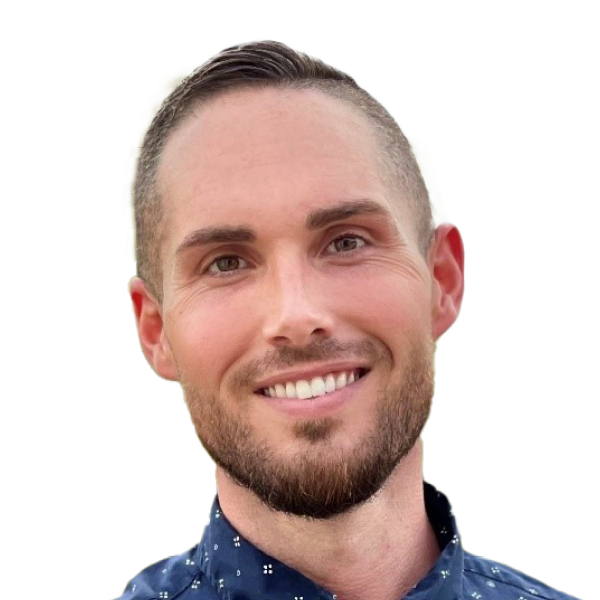
Wyatt Evans, PhD, ABPP
1:15pm – 2:15pm Central
Moral Injury and Domestic Deployments:
ACT Tools for Helping Service Members and Veterans Navigate a New Front Line
ACT Tools for Helping Service Members and Veterans Navigate a New Front Line
Featuring Wyatt Evans, PhD, ABPP | Click here for information about Wyatt R. Evans
It’s not quite what they signed up for.
When U.S. service members are deployed domestically – such as for operations in major urban areas or along the border – they find themselves in the middle of politically and morally complex situations.
Duty, personal values, and public scrutiny collide –
Creating guilt, anger, confusion, and internal conflict that’s different from other stress and trauma responses.
In this session, Dr. Wyatt Evans – expert in moral injury and primary author of The Moral Injury Workbook – will give you a unique ACT-based skillset you need to work with moral pain and injury. You’ll learn:
- Tools to recognize moral distress so you can reduce this profound and debilitating form of suffering
- Structured, evidence-informed interventions that address moral conflict and values dissonance
- Strategies that promote psychological flexibility and adaptive meaning-making
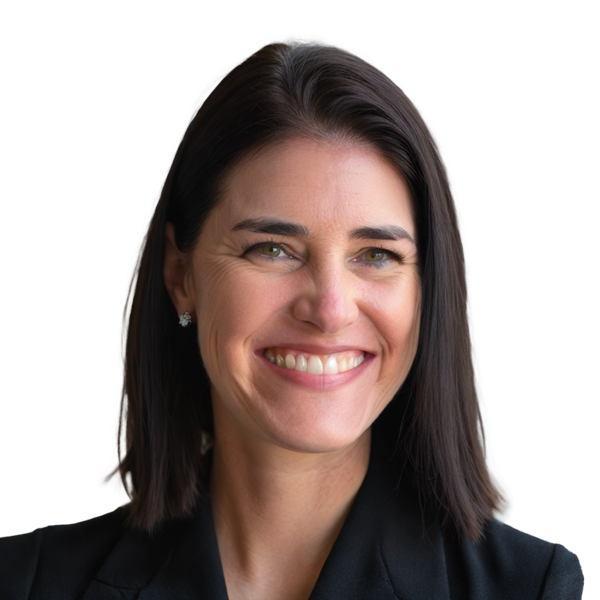
Daphne Fatter, PhD
2:30pm – 5:00pm Central
Military Trauma:
Evidence-Based Tools for Combat, Military Sexual Trauma, Institutional Betrayal & More
Evidence-Based Tools for Combat, Military Sexual Trauma, Institutional Betrayal & More
Featuring Daphne Fatter, PhD | Click here for information about Daphne Fatter
From institutional betrayal to betrayal of one’s own moral code, the trauma experienced by military service members and veterans has extra layers.
And to provide effective treatment, you can’t leave this important context out.
In this session, Dr. Daphne Fatter – international trainer in integrative trauma-informed therapies and former Military Sexual Trauma coordinator in the VA healthcare system – will give you a roadmap for case conceptualization and treatment of military service members and veterans who have experienced trauma from combat, sexual harassment and assault, and exposure to life-limiting health conditions. You’ll learn:
- Case conceptualization skills grounded in military culture to build an effective working alliance
- Transdiagnostic coping techniques to decrease acute distress and support stabilization
- Decision-making tools for complex issues like which trauma to target first
Day 2 • Friday 11/06 • 9:00am – 5:00pm
Central Time
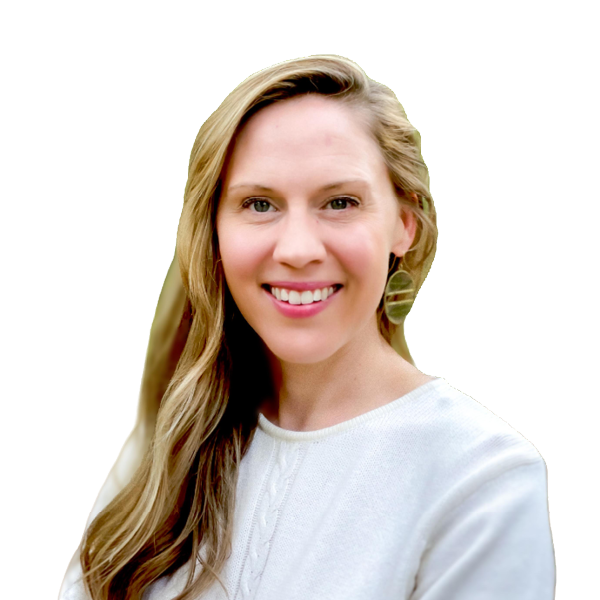
Taryn C. Greene, PhD
9:00am – 10:00am Central
Posttraumatic Growth for Military and Veteran Clients:
Expert Companionship to Transform Struggle into Strength
Expert Companionship to Transform Struggle into Strength
Featuring Taryn C. Greene, PhD | Click here for information about Taryn Greene
Of course, by its very definition, trauma is devastating –
And there are ways for survivors to change for the better as a result of it.
Unfortunately, few therapists receive training in posttraumatic growth, leaving them focused on symptom reduction rather than prepared to help their clients activate the capacity for growth after adversity.
In this session, Dr. Taryn C. Greene – U.S. Air Force veteran and health psychologist at Boulder Crest Institute for Posttraumatic Growth – will show you what you need to know about posttraumatic growth so your military and veteran clients can learn to use their difficult life experiences as a means to live a more rewarding and fulfilling life. You’ll learn:
- A framework for posttraumatic growth that inspires clients to write the next chapter of their lives
- How to conceptualize the challenge to core beliefs that your clients are struggling with
- Strategies to offer “expert companionship” to your clients to increase connection and hope

Lillian Gibson, PhD
10:15am – 12:45pm Central
Transition Stress:
Clinical Strategies from MI and IPT to Support Reintegration into Civilian Life After Separation from Military Service
Clinical Strategies from MI and IPT to Support Reintegration into Civilian Life After Separation from Military Service
Featuring Lillian Gibson, PhD | Click here for information about Lillian Gibson
Getting out of the military is as big a deal as going in.
It’s total culture shock as veterans face the reality of figuring out how to move forward in the absence of close comradeship, orders that structured each day, and purpose that felt larger than their own lives.
Adjustment challenges are the norm, not the exception.
And therapists working with veterans have to be ready to navigate unique challenges, supporting clients through issues as diverse as finding work that leans on their skills, making up for lost time with their families, and having difficulty relating to civilians.
In this session, Dr. Lillian Gibson – highly recommended speaker, consultant, and clinician with expertise in the treatment of trauma and transition stress – will give you a framework for the assessment and treatment of adjustment-related stress. You’ll learn:
- How to evaluate mental health symptoms common during the transition from military service
- Top strategies to normalize clients’ adjustment experiences – without making them feel dismissed
- Evidence-based interventions from IPT and MI to help clients create change in areas of struggle
— Lunch Break 12:45pm – 1:15pm Central —
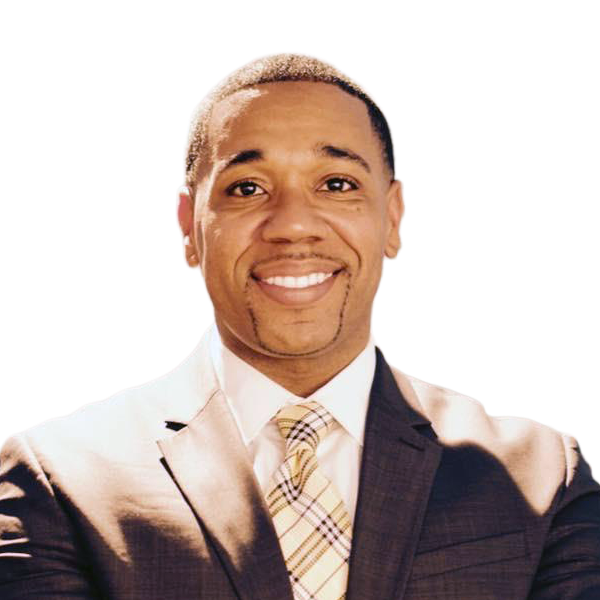
Michael D. Gatson, PhD, LISW-S, ACSW
1:15pm – 2:15pm Central
The Psychological Impact of Military Discharge:
Clinical Considerations for Separation, Stigma, and Post-Service Adjustment
Clinical Considerations for Separation, Stigma, and Post-Service Adjustment
Featuring Michael D. Gatson, PhD, LISW-S, ACSW | Click here for information about Michael D. Gatson
A new phase of life begins after separation from military service –
And the terms of that separation have an echoing impact on the adjustment of military-connected clients.
Without awareness of the ways in which medical, administrative, and policy-driven discharges can shape mental health and treatment engagement, therapists run the risk of minimizing the impact of this important transition on their clients.
In this session, Dr. Michael Gatson – expert in military mental health – will show you how military discharge is more a major psychological transition than a formal ending. You’ll learn:
- Targeted clinical questions to assess the impact of discharge on your clients’ well-being
- Trust-building strategies for concerns about documentation, employment, or security clearance
- A culturally responsive, trauma-informed framework to reduce stigma
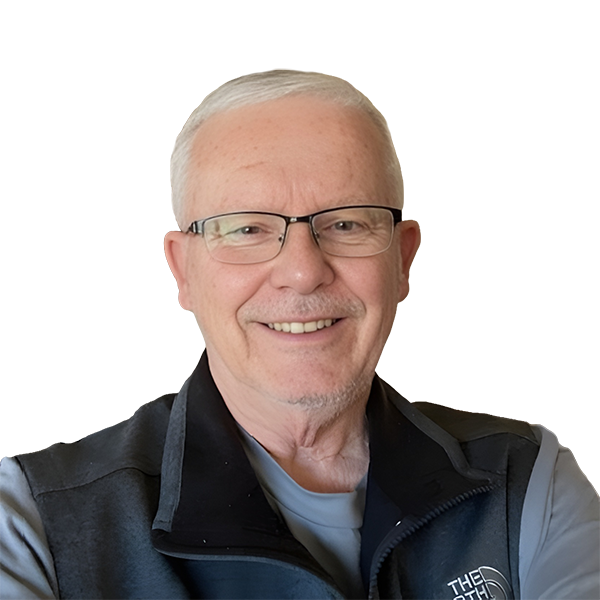
James A. Martin, PhD, LICSW
2:30pm – 3:30pm Central
Military and Veteran Families:
What Clinicians Need to Know to Support Interrelated Well-Being
What Clinicians Need to Know to Support Interrelated Well-Being
Featuring James A. Martin, PhD, LICSW |
Click here for information about James Martin
You’ve gotten training on how to work effectively with military service members and veterans –
But what about the family members who are impacted by their experience? For every service member or veteran, there are as many as 12 loved ones whose well-being is interrelated.
In this session, Dr. James A. Martin – retired Army Colonel whose nearly sixty-year combined military and academic careers have brought public attention to the needs of military-connected families – will give you the tools you need for culturally competent treatment. You’ll learn:
- How to ensure that the impact of critical military experiences isn't missed or overlooked
- Best practices to engage military-connected family members that support system well-being
- Strategies to reduce barriers to critical services and important benefits
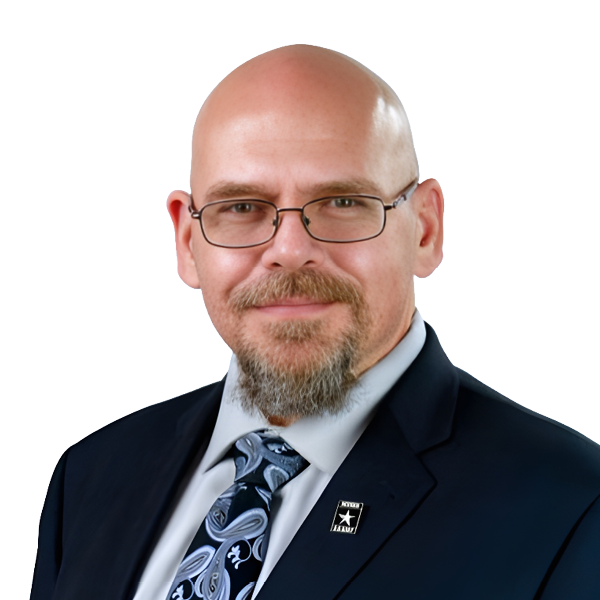
Duane K. L. France, MA, MBA, LPC
3:45pm – 5:00pm Central
Ethical Competencies for Mental Health Professionals Working with
Military and Veteran Clients:
Navigate Complex Treatment Needs and Regulatory Demands
Navigate Complex Treatment Needs and Regulatory Demands
Featuring Duane K. L. France, MA, MBA, LPC | Click here for information about Duane K.L. France
Your own military service history and that of your family. Your political affiliation and beliefs about war. Your awareness of hierarchical systems, veterans benefits, and community resources.
When you work with military and veteran clients, there’s more to self-examine and more to just plain know. And the standards of ethical competence are more complex.
From informed consent when fitness for duty may be on the line – to boundaries when your client is also eating in the mess hall – to determining whether disability criteria continue to be met – there is a unique intersection of military-connected challenges and professional ethics codes.
In this session, Duane K. L. France, MA, MBA, LPC – Army veteran who served in Iraq and Afghanistan, author of Combat Vet Don’t Mean Crazy: Veteran Mental Health in Post-Military Life, and host of the Behind the Mission podcast – will show you how to navigate the complex treatment needs and regulatory demands of service members and veterans. You’ll learn:
- How to build a foundation of trust based on high ethical standards with military and veteran clients
- A framework to address the ethical imperative of balancing individual needs with broader systems
- Strategies for integrating cross-disciplinary ethical standards
2026 Military & Veterans
Mental Health Certification Summit
Treat Trauma & Transition Stress with the
Latest Integrative Tools
Live Virtual Summit • November 5 & 6, 2026 • 9:00
am – 5:00 pm CT
Valued at $1,409.85
– Only
$99.99 when you register by October 5th,
2026
YES! I Want to
Attend Live!
Attend Live!
ALL-ACCESS PASS
Advance Registration Discount Ends 10/05/2026!
- Connect with speakers and peers
- Up to 13.75 live CE credits are available
- Bonus 12 hours of self-study CE
- 30-day access to the archive recording
- Become a Certified Veteran and Military Mental Health Professional (CVMHP)
YES! I Want
This
On-Demand!
On-Demand!
Complete Recording Package
Advance Registration Discount Ends 10/05/2026!
- Self-paced learning anywhere, anytime
- Unlimited access to every session
- Earn up to 25.75 self-study CE hours
- Become a Certified Veteran and Military Mental Health Professional (CVMHP)
Your registration is 100% risk-free. Cancel at any time for a complete refund.
Your Bonus Sessions
Watch Anytime On-Demand
A $669.93 value – yours free with registration!

William Brim, PsyD
Understanding Military Culture:
A Guide for Behavioral Healthcare Providers
A Guide for Behavioral Healthcare Providers
Featuring William Brim, PsyD | Click here for information about William Brim
Your ability to have a positive impact on military service members and veterans hinges on one simple question – do you understand their culture and how it clashes with elements of the overarching culture of behavioral healthcare? Without understanding military morals, values, and beliefs, you won’t establish effective rapport and create treatment plans that work. This presentation will give you a deeper look at military culture as concrete strategies for assessment and treatment.

Carrie H. Kennedy, PhD, ABPP
Culturally Competent Assessment of Military
Service Members and Veterans
Featuring Carrie H. Kennedy, PhD, ABPP |
Click here for information about Carrie H. Kennedy
The military represents a unique culture, one which consists of its own belief systems, norms of behavior, laws, ethos, and even language. Evaluation and treatment of service members can be difficult at best, and ineffective at worst, when military cultural variables are not considered. Variables such as specific occupation, unit mission, rank, deployment history, family dynamics in the context of military service, leadership, motivation to serve, and command resources – to name a few – all can have a profound impact on case conceptualizations, treatment strategies, and ultimate fitness for duty determinations. This presentation will provide assessment techniques unique to service members which will enhance rapport, improve the accuracy of case conceptualization, and increase the efficacy of provider recommendations.

Justin Baker, PhD, ABPP
Crisis Response Planning and Lethal Means
Counseling to Reduce Military and Veteran Suicide
Featuring Justin Baker, PhD, ABPP | Click here for information about Justin Baker
Treating a client in a suicidal crisis is nerve-wracking enough on its own, but what if you’re working with a client who has access to and advanced knowledge of weapons? This presentation provides essential information on two effective suicide prevention tools for use with military service members and veterans, Crisis Response Planning and Lethal Means Counseling. You’ll get specific strategies for conducting client-centered narrative assessments of suicide risk and a tailored crisis response plan that prioritizes self-management strategies and reducing access to firearms.
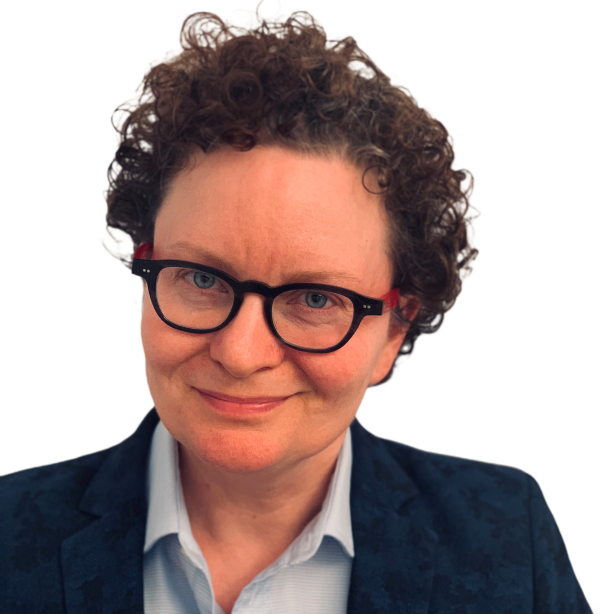
Colleen Carney, PhD

Meg Danforth, PhD, CBSM
Trauma-Related Insomnia:
Effective Sleep Strategies for Military Personnel and Veterans
Effective Sleep Strategies for Military Personnel and Veterans
Featuring Colleen Carney, PhD & Meg Danforth, PhD,
CBSM | Click here for information about Colleen Carney |
Click here for information about Meg Danforth
Untreated sleep problems wreak havoc on your ability to effectively treat patients, particularly when it comes to trauma-related insomnia in the military service members and veterans. Though contributing factors aren’t well-understood, higher rates of sleep disorders in these populations means that you must be prepared. Learn how to go beyond sleep hygiene – and why you should – to provide your military and veteran clients with simple, evidence-based interventions to improve their sleep.
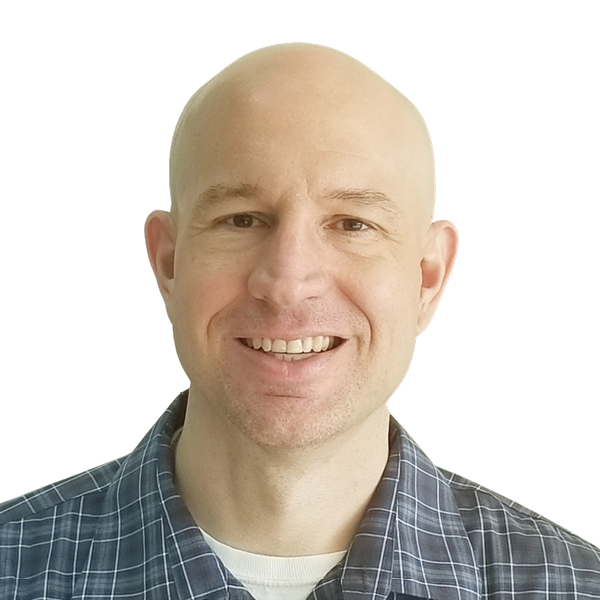
Benjamin M. Keizer, PhD, ABPP
The Chronic Pain Foxhole:
Strategies for Treating Pain in the Military and Veteran Populations
Strategies for Treating Pain in the Military and Veteran Populations
Featuring Benjamin M. Keizer, PhD, ABPP |
Click here for information about Benjamin M. Keizer
Without a fundamental understanding of military culture and how service members and veterans view pain, you’ll be unprepared to help your clients manage the complex issues they face and have the highest quality of life. This presentation will help you understand the most common causes of chronic pain in the military population, deliver a variety of nonpharmacological strategies to relieve chronic pain, and create an effective interdisciplinary treatment team.

Sherrie All, PhD
Concussion and TBI in Military and Veteran
Populations:
A Toolbox of Interventions to Improve Cognitive Functioning and Quality of Life
A Toolbox of Interventions to Improve Cognitive Functioning and Quality of Life
Featuring Sherrie All, PhD | Click here for information about Sherrie All
Though largely “invisible injuries,” traumatic brain injury and concussion history can severely complicate your treatment efforts. In this presentation, you’ll learn essential techniques you can use in your practice to rehabilitate cognitive skills that are commonly impaired as a result of TBI. Improve your clients’ self-efficacy and help them take control of their symptoms as you understand how fatigue, mood, anxiety, trauma, and chronic pain affect cognitive performance.
Michael D. Gatson, PhD
Substance Use Disorders in Military and
Veteran Populations:
Assessment, Stigma Reduction, and Evidence-Based Treatment Approaches
Assessment, Stigma Reduction, and Evidence-Based Treatment Approaches
Featuring Michael D. Gatson, PhD, LISW-S, ACSW | Click here for information about Michael D. Gatson
Military service members and veterans have high rates of alcohol and substance use disorders – particularly when trauma exposure and transition stress intersect. But the stigma of getting help – combined with cultural norms of self-reliance – often translates into veterans not receiving treatment. And many clinicians who are trained in general substance use treatment aren’t prepared to deliver culturally responsive care to veteran clients. In this presentation, you’ll get cultural humility-based tools to address stigma and support treatment engagement, plus screening and assessment strategies to make treatment planning more effective and tips on how to integrate evidence-based interventions including CBT and medication-assisted treatment.
2026 Military & Veterans
Mental Health Certification Summit
Treat Trauma & Transition Stress with the
Latest Integrative Tools
Live Virtual Summit • November 5 & 6, 2026 • 9:00
am – 5:00 pm CT
Valued at $1,409.85
– Only
$99.99 when you register by October 5th,
2026
YES! I Want to
Attend Live!
Attend Live!
ALL-ACCESS PASS
Advance Registration Discount Ends 10/05/2026!
- Connect with speakers and peers
- Up to 13.75 live CE credits are available
- Bonus 12 hours of self-study CE
- 30-day access to the archive recording
- Become a Certified Veteran and Military Mental Health Professional (CVMHP)
YES! I Want
This
On-Demand!
On-Demand!
Complete Recording Package
Advance Registration Discount Ends 10/05/2026!
- Self-paced learning anywhere, anytime
- Unlimited access to every session
- Earn up to 25.75 self-study CE hours
- 7 bonus sessions included
- Become a Certified Veteran and Military Mental Health Professional (CVMHP)
Your registration is 100% risk-free. Cancel at any time for a complete refund.
Certified Veteran and Military Mental Health Professional (CVMHP) through Evergreen Certifications
We’ll pay your certification fee – a $249.99 value!
- Eligibility unlocked after completing the summit (live or on-demand)
- Recognition for advanced training in treatment of military and veteran populations
Professional standards apply. Visit evergreencertifications.com/CVMHP for more details.
Thousands of your colleagues attended previous years’ Military and Veteran Mental Health
Summits. Here’s what they say about their experience with the faculty:
★★★★★
“I am very excited about practicing what we learned. Dr. Chard is terrific!”
— Carmen M., MFT
(on Kathleen Chard)
(on Kathleen Chard)
★★★★★
“Incredible course and information!”
— Steven G., MFT
(on Carrie Kennedy)
(on Carrie Kennedy)
★★★★★
“He did a great job at both teaching and providing tangible interventions and tools.”
— Christine T., Social Worker
(on Wyatt Evans)
(on Wyatt Evans)
★★★★★
“Very knowledgeable and presented in an engaging manner. The time went by fast!”
— Margo C., Social Worker
(on Jennifer Sluga)
(on Jennifer Sluga)
★★★★★
“Speaker had excellent knowledge and presented with such enthusiasm – really appreciate that! She is obviously passionate about her work.”
— Dana G., Counselor
(on Sherrie All)
(on Sherrie All)
★★★★★
“Great training – informative and presented in a practical way to utilize in therapy.”
— Rochelle C., Social Worker
(on Daphne Fatter)
(on Daphne Fatter)
★★★★★
“Dr. Gibson possesses a wealth of information and is a wonderful instructor. I highly recommend her!”
— Anne B., Psychologist
(on Lillian Gibson)
(on Lillian Gibson)
★★★★★
“Amazing! I absolutely loved this course and Dr. Brim was extremely engaging and explained things thoroughly.”
— Alyssa R., Psychologist
(on William Brim)
(on William Brim)
★★★★★
“Great info! I struggle with some of the issues covered myself and this was very helpful personally.”
— Jodi S., Social Worker
(on Colleen Carney and Meg Danforth)
(on Colleen Carney and Meg Danforth)
★★★★★
“This was a great example of person-centered treatment.”
— Bonita O., Case Manager
(on Justin Baker)
(on Justin Baker)
★★★★★
“I gained knowledge on additional interventions and techniques.”
— Anne M., Social Worker
(on Jennifer Sluga)
(on Jennifer Sluga)
★★★★★
“Well done and thorough!”
— William R., Counselor
(on Benjamin Keizer)
(on Benjamin Keizer)
2026 Military & Veterans
Mental Health Certification Summit
Treat Trauma & Transition Stress with the
Latest Integrative Tools
Live Virtual Summit • November 5 & 6, 2026 • 9:00
am – 5:00 pm CT
Valued at $1,409.85
– Only
$99.99 when you register by October 5th,
2026
YES! I Want to
Attend Live!
Attend Live!
ALL-ACCESS PASS
Advance Registration Discount Ends 10/05/2026!
- Connect with speakers and peers
- Up to 13.75 live CE credits are available
- Bonus 12 hours of self-study CE
- 30-day access to the archive recording
- Become a Certified Veteran and Military Mental Health Professional (CVMHP)
YES! I Want
This
On-Demand!
On-Demand!
Complete Recording Package
Advance Registration Discount Ends 10/05/2026!
- Self-paced learning anywhere, anytime
- Unlimited access to every session
- Earn up to 25.75 self-study CE hours
- 7 bonus sessions included
- Become a Certified Veteran and Military Mental Health Professional (CVMHP)
Your registration is 100% risk-free. Cancel at any time for a complete refund.
Frequently Asked Questions
We’re confident that if you’ve already been working with this population for years – even if you
yourself are a military or veteran provider – you’ll learn useful information and interventions
from this conference. Whether it’s understanding military culture from the lens of attachment
and IFS therapy, or working through moral injury related to domestic deployments where service
members disagree in principle with what they’re being asked to do, or processing distress from
institutional betrayal after removal of accolades – you’ll get what you need to face the
contemporary issues your clients are facing.
Yes! You may not even know your clients have a military background if asking questions about
military service is not part of your typical intake process. Your clients may have issues that stem
directly from their service, and you need to know this to better inform your treatment planning.
PLUS, you never know, your next new client could be a military service member or veteran, or the
family member of one.
No. You can attend live if you want to join the Q&A and interact with peers, or you can choose
the self-study and watch on your own schedule. Either way, you’ll earn CE hours while learning
from some of the most respected voices in this field.
We’re confident you’ll find this learning experience to be all that’s promised and
more than you expected. However, if you’re not completely satisfied, you’re fully
covered by our 100% money-back guarantee. Please contact us at 800-844-8260 if you need assistance.
Visit our FAQ page www.pesi.com/faq or
contact us at www.pesi.com/info.
EVENT COUNTDOWN
0
Days
:
0
Hours
:
0
Minutes
:
0
Seconds
2026 Military & Veterans
Mental Health Certification Summit
Treat Trauma & Transition Stress with the
Latest Integrative Tools
Live Virtual Summit • November 5 & 6, 2026 • 9:00
am – 5:00 pm CT
Valued at $1,409.85
– Only
$99.99 when you register by October 5th,
2026
YES! I Want to
Attend Live!
Attend Live!
ALL-ACCESS PASS
Advance Registration Discount Ends 10/05/2026!
- Connect with speakers and peers
- Up to 13.75 live CE credits are available
- Bonus 12 hours of self-study CE
- 30-day access to the archive recording
- Become a Certified Veteran and Military Mental Health Professional (CVMHP)
YES! I Want
This
On-Demand!
On-Demand!
Complete Recording Package
Advance Registration Discount Ends 10/05/2026!
- Self-paced learning anywhere, anytime
- Unlimited access to every session
- Earn up to 25.75 self-study CE hours
- 7 bonus sessions included
- Become a Certified Veteran and Military Mental Health Professional (CVMHP)
Your registration is 100% risk-free. Cancel at any time for a complete refund.
100%
Satisfaction Guarantee
Register for this intensive training course without risk. If you're not completely
satisfied, give us a call at 800-844-8260.We’re that confident you'll find this learning experience to be all that's promised and more than you expected.