




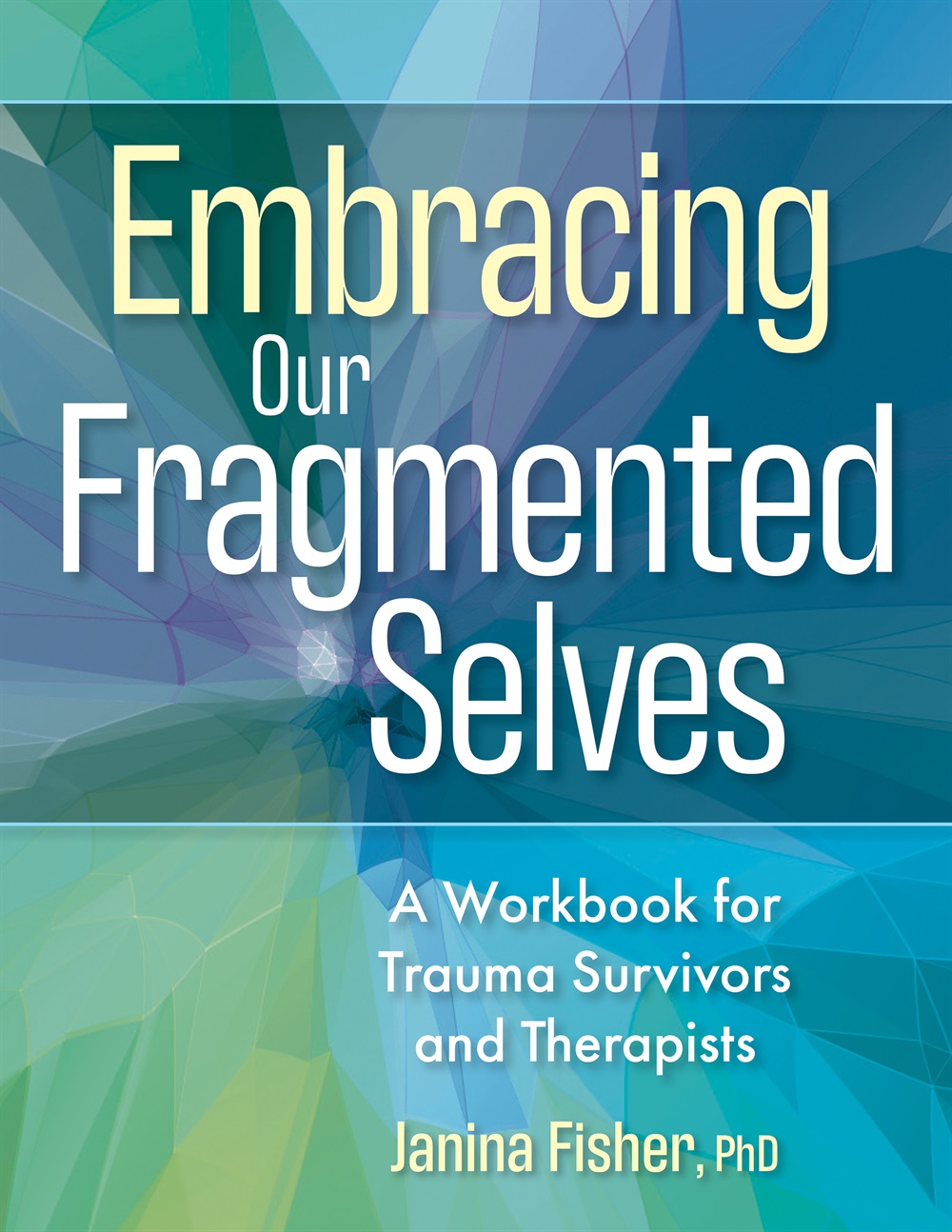
Live, Interactive Training Outline
July 30, 2026 from 9:30 AM to 5:30 PM Central*
July 30, 2026 from 9:30 AM to 5:30 PM Central*
Foundations of Fragmentation
- Introduction to Trauma-Informed Stabilization Treatment (TIST) and the Structural Dissociation Model
- Limitations and risks
- How trauma fragments the self: neurobiology and survival responses
- Discussion: Dissociation as an adaptive strategy
Recognizing and Naming Parts
- Identifying trauma-related parts vs. ‘Going on with Normal Life’ part
- Signs of structural dissociation in clinical practice
- Using parts language (‘A part of me feels…’)
Befriending and Unblending
- Mindful observation and curiosity toward parts
- Blending: being flooded with the emotions and beliefs of a part
- The role of the Noticing Brain in stabilization
- Skills for unblending from overwhelming emotions
Building Internal Relationships
- Developing trust and communication with parts
- Internal dialogue techniques and empathy-building
- Befriending protector parts: stabilization of self-destructive behavior
Attachment Trauma and Internal Conflicts
- When love and safety collide: understanding traumatic attachment
- How attachment wounds shape adult relationships and parts dynamics
- Strategies for soothing attachment-related triggers
Memory Consolidation and Repair
- Reparative experiences for trauma-related parts
- Cultivating internal secure attachment
- Appreciating the gifts of each part and embracing wholeness
- Explain the neurobiological basis of fragmentation and dissociation as adaptive responses to trauma.
- Identify common signs of structural dissociation and recognize trauma-related parts in daily life.
- Implement mindfulness-based strategies to reduce dysregulation and increase stabilization.
- Demonstrate techniques for building trust and communication with parts.
- Demonstrate internal dialogue techniques that increase empathy for parts.
- Implement reparative interventions that foster internal secure attachment and self-compassion.
*There will be two 15-minute breaks and a 70-minute lunch break. Break times will be at the speaker's discretion.