Geriatric Care Certification Course: The Ultimate Interprofessional Approach to Age-Related Clinical Challenges
Please wait ...

with Dual Certification Built In
A UTI may not cause dysuria. Depression may not look like sadness. A swallowing issue may show up as "confusion." And the fall you document today may be the first in a cascade of declines still to come.
That is why geriatric care can't be treated as "someone else's specialty." In real clinical practice, it is your responsibility. And because the best outcomes for older adults don't come from one provider working in isolation, every discipline, every setting, every shift must play their part.
Now there's a brand-new, dual-certification, comprehensive online training built to sharpen how you recognize risk, respond with confidence, and coordinate care for the complex needs of older adults, wherever that care takes place.
The result: Sharper clinical judgment, stronger advocacy, and older adults who are safer, more independent, and able to enjoy the later years they've earned.
This is not a narrow lecture series. It is a practical, interprofessional training experience led by faculty who bring the realities of geriatric care from the exam room, emergency department, long-term care setting, rehab unit, pharmacy consult, courtroom, and family caregiving journey.
You'll walk away with advanced, practice-ready tools. Immediately put to use evidence-based criteria, clinical decision frameworks, and whole-team insight for older adults who present with dementia, polypharmacy, infection risk, falls, swallowing concerns, caregiving strain, and more.
- 22 sessions led by 20+ faculty
- Up to 32.75 CE hours (including up to 8.5 pharmacology CE hours)
- One flexible package for advanced practice providers, nurses, rehabilitation professionals, mental health clinicians, and care leaders
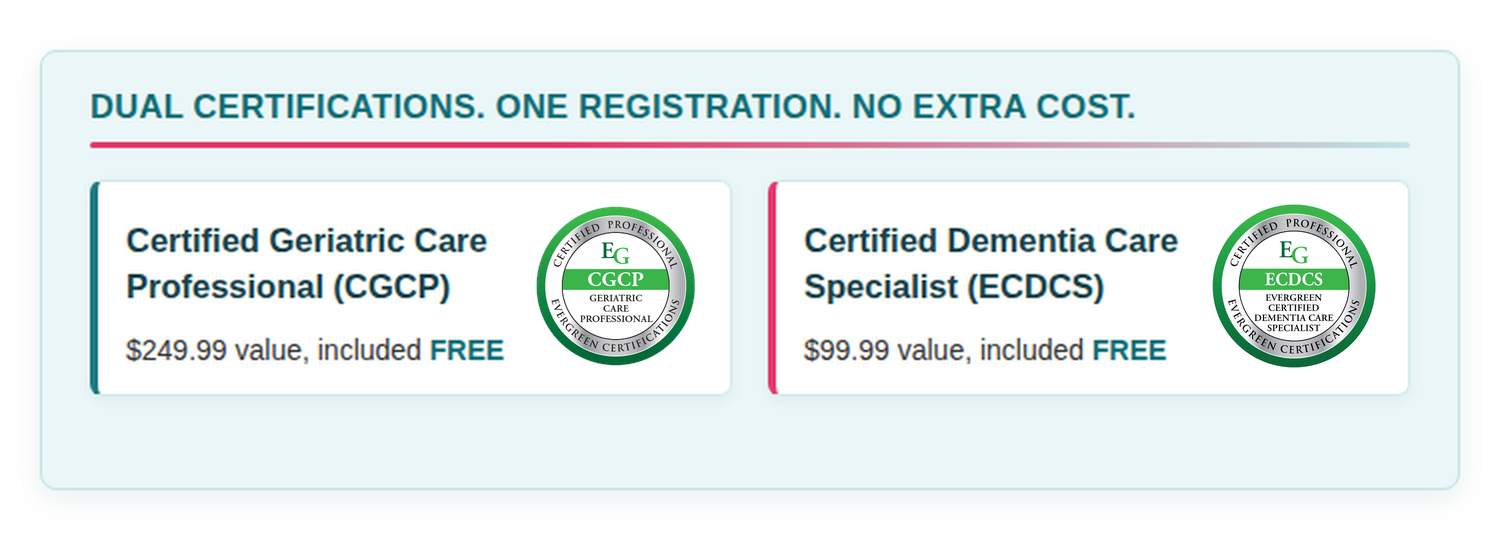
- 2 free certifications: Certified Geriatric Care Professional & Certified Dementia Care Specialist
You are the specialist in the room when it comes to geriatric care. Enroll now and be ready for the complexity, urgency, and responsibility that come with it.
The Ultimate Interprofessional Approach to Age-Related Clinical Challenges
$2,429.77 Value
Click here for Credit details | Click here for course objectives and outline
A Yale-trained, double board-certified geriatrician with 200+ clinical trials, serving as course director for Yale’s Physician Associate Program.
A physician and mental health counselor, shaped by his own Alzheimer’s caregiving journey, who founded a memory counseling program and authored four books.
A clinical neuropsychologist who founded a cognitive wellness center and has helped thousands improve their thinking — work covered by The New Yorker and Prevention Magazine.
A nurse-attorney admitted to practice before the U.S. Supreme Court, a founding member of the American Association of Nurse Attorneys, and a two-time Super Lawyer.
A board-certified infectious diseases pharmacist and clinical professor, honored as Missouri’s Pharmacist Faculty of the Year, who rounds on an ID consult team supporting antimicrobial stewardship.
- Customize the content for your individual needs. CE is awarded per session.
- Earn up to 32.75 CE hours, including up to 8.5 pharmacology CE hours.
- Flexible, self-paced videos — built for the convenience you need.
- Backed by our 100% satisfaction guarantee.
Your geriatric patients are the most complex in your care. This is the training that equips your entire team to meet that complexity — together.
$2,429.77 Value
with Dual Certification Built In
Stand out with two nationally recognized certifications in Geriatric Care and Dementia Care. Earn both new credentials for free with your registration (a combined $349.98 value).
- Sessions 1–15 count toward the content requirements for your Certified Geriatric Care Professional (CGCP) certification*.
- Session 16 satisfies the dementia-specific CE required for your Evergreen Certified Dementia Care Specialist (ECDCS) certification*.
*Professional and clinical standards apply, visit evgcert.com/cgcp and evgcert.com/ecdcs for more info.
- Behavioral profiles across dementia subtypes: Alzheimer's, vascular, Lewy body, frontotemporal
- Attachment and separation distress: Reading behavioral expressions as unmet emotional needs
- Non-medication strategies with evidence: Structured redirection, mindfulness, and the 5 love languages model
- A practical assess-prevent-manage framework before behaviors escalate to crisis
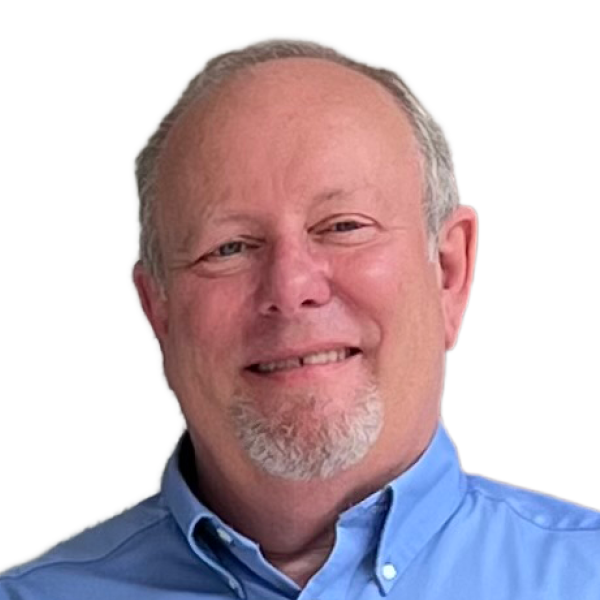
Edward G. Shaw, MD, MA is dually trained as a physician and mental health counselor. He was the primary care partner for his late wife, Rebecca, diagnosed with early-onset Alzheimer’s disease in 2007. Dr. Shaw founded the Memory Counseling Program at Atrium Health Wake Forest Baptist in 2011 and is the author of four books on dementia caregiving.
- Why standard protocols fall short: Age-related cellular level changes in healing
- Antimicrobial dressings and infection control strategies specific to elderly wound patients
- Nutrition's role in tissue repair: Micronutrients, assessment, and patient-facing interventions
- Multidisciplinary outcomes: How nurses, physicians, PTs, and dietitians change healing rates
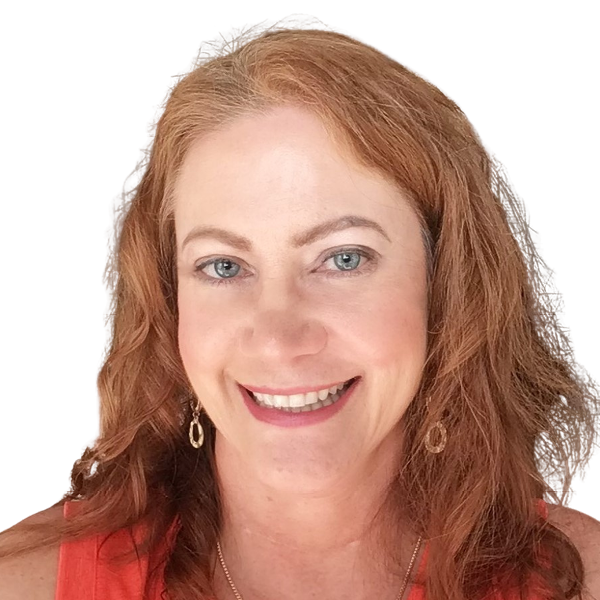
Dolores Farrer, DPM, MBA, CWS® is a surgically trained podiatrist with 32+ years in wound care and limb salvage. She works in multi-specialty wound care and hyperbaric oxygen therapy clinic. Dr. Farrer has been board-certified by the American Board of Wound Management since 2003 and proudly serves as Secretary on the Board of Directors for the Association for the Advancement of Wound Care.
- Subtle cognitive signs that precede formal diagnosis and why they're consistently missed
- Cognitive reserve and brain plasticity: What the research says about slowing functional decline
- A practical cognitive rehabilitation toolbox: Memory aids, attention exercises, executive function supports
- Translating cognitive deficits to daily function losses families and caregivers can act on
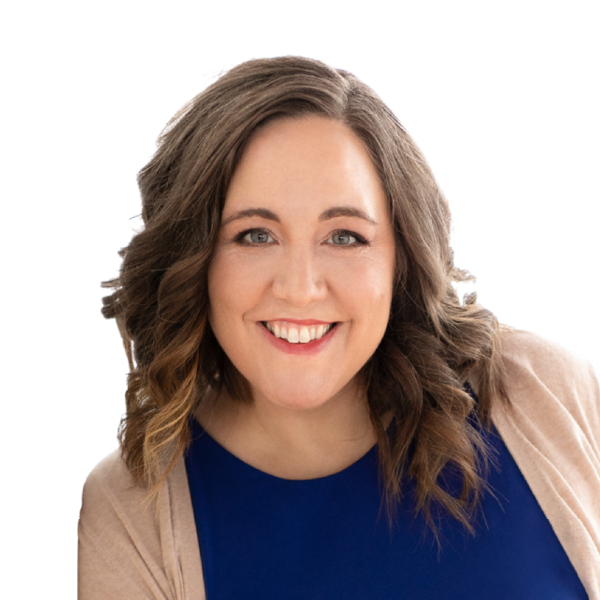
Sherrie All, PhD is a clinical neuropsychologist and owner of the Chicago Center for Cognitive Wellness. She has helped thousands of adults experiencing cognitive declines improve their thinking skills, expand functional independence, and enhance brain health. Her work to lower personal risk for dementia has earned the attention of media outlets including The New Yorker and Prevention Magazine.
- Multidimensional assessment: Nutritional, functional, and psychosocial evaluation integrated
- Key micronutrient deficiencies: B12, vitamin D, calcium - and efficient assessment strategies
- Food fortification and community-based interventions: Meals on Wheels and SNAP
- Dietary approaches for comorbid conditions: Heart failure, diabetes, and chronic kidney disease
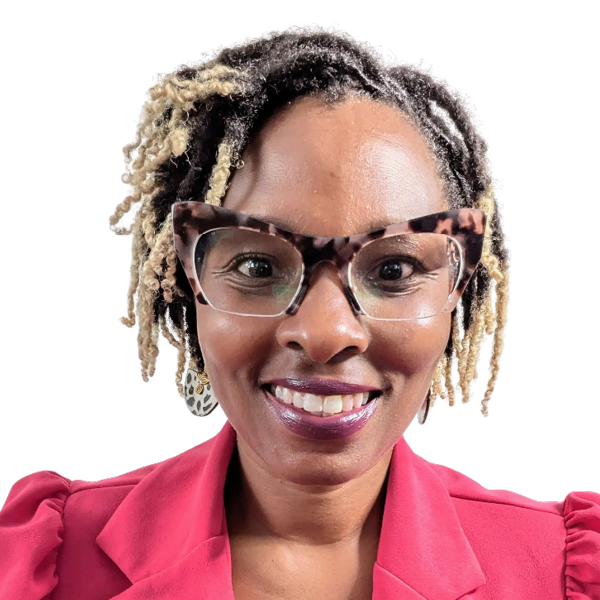
Stacey Woodson, MS, RD, LDN, is a registered dietitian-nutritionist with 20+ years of experience. She holds a Master of Science in Clinical Nutrition and undergraduate degrees in biology and dietetics. Stacey specializes in integrating nutrition and cultural foodways to improve physical and mental well-being. Her clinical focus includes using food and medicine to support health outcomes across diverse patient populations.
- STEADI algorithm applied across disciplines with EMR documentation shortcuts
- Three bedside screening tools: Timed Up and Go, 4-Stage Balance Test, 30-Second Sit-to-Stand
- Hidden fall risk factors: Orthostatic hypotension, high-risk medications, subclinical strength deficits
- Case-based prevention across three profiles: High-functioning, frail, and cognitively impaired
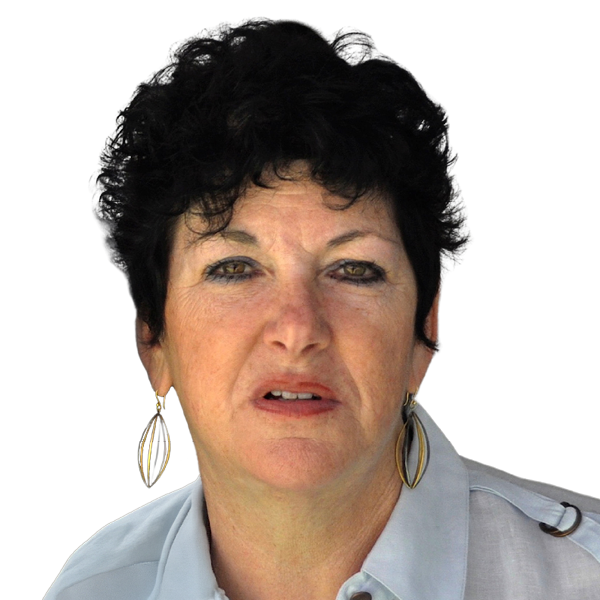
Shelly Denes, PT, C/NDT, CFPS, CGCP, is a physical therapist with 30+ years specializing in fall prevention and neuro-rehabilitation. She co-created the Certified Fall Prevention Specialist (CFPS) and Certified Geriatric Care Professional (CGCP) credentials through Evergreen Certifications and presents nationally on fall prevention and geriatric rehabilitation.
- Competence and capacity: Frailty screening tools and the biological-vs-chronological age distinction
- Polypharmacy documentation: Reconciliation best practices
- Pain assessment in cognitively impaired patients: Validated tools and regulatory standards
- Forensic documentation: Identifying and documenting elder abuse, neglect, and reporting resources
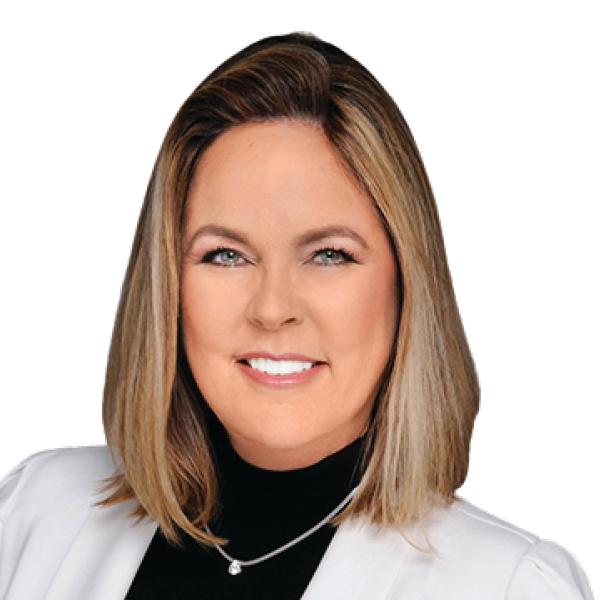
Rachel Henderson, PhD, MS, RN, HCRM, is a nationally recognized expert in healthcare law, nursing documentation, and regulatory compliance with 20+ years of experience as a legal nurse consultant and expert witness in medical negligence cases. She holds a PhD in Public Policy and Administration with a focus on Law and Policy and is a published author in peer-reviewed journals and textbooks.
- Top communication and planning failures that lead to rehospitalization
- Explaining care options - home health, assisted living, SNF - without overwhelming families
- Evidence-based tools for fall risk, medication concerns, and environmental hazard assessment
- Collaboration frameworks for case managers, social workers, and providers for seamless handoffs
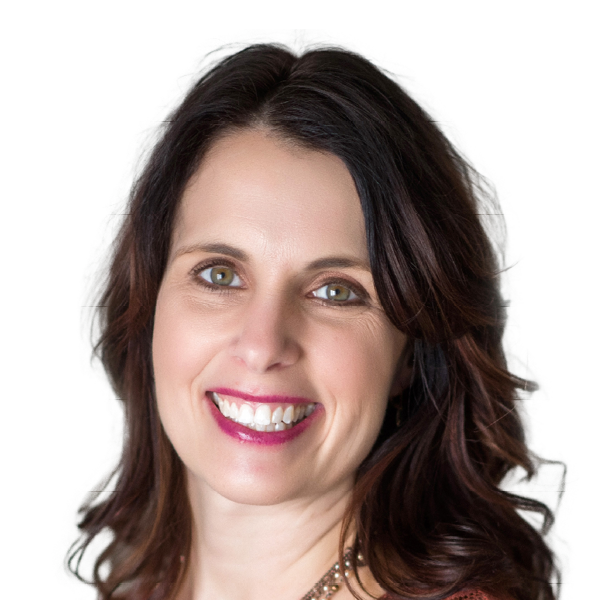
Kara Welke, OTD, OTR/L, CLT, CAPS, SHSS, is an occupational therapist with geriatric experience across acute, educational, and community-based settings. In 2018 she founded Home Therapy Solutions, a mobile hybrid practice specializing in helping older adults age in place. She has served as OTA program faculty and holds specialty certifications in aging in place, home modification, lymphedema treatment.
- Palliative vs. hospice care: The clinical and ethical distinctions that change everything about how you intervene
- Clinical signals that indicate it's time to initiate end-of-life conversations
- Serious illness communication: A templated approach including re-engagement strategies
- Multidisciplinary team roles at end of life across every discipline
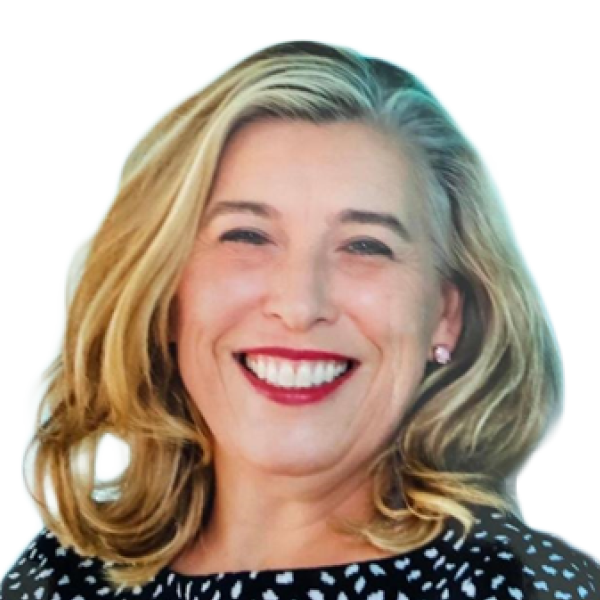
Nicola Harchut, DNP, ACNS-BC, NEA-BC, ACHPN, is a doctoral-prepared advanced practice nurse with 16 years of experience dedicated to palliative and end-of-life care across home, outpatient, skilled nursing, and inpatient settings. Currently lead APP for the Envision Physician Services hospital-based Palliative Care Program in San Antonio, she holds advanced certification in hospice and palliative nursing and is a certified ELNEC trainer.
- Functional status assessment: Nutrition, vision, hearing, and age-related shifts
- Cognitive screening tools: 3-item recall, Geriatric Depression Scale, PHQ-9, Cornell Scale
- Depression assessment: PHQ-2, PHQ-9, and Cornell Scale for Depression in Dementia
- Atypical presentations and Long COVID in the geriatric population
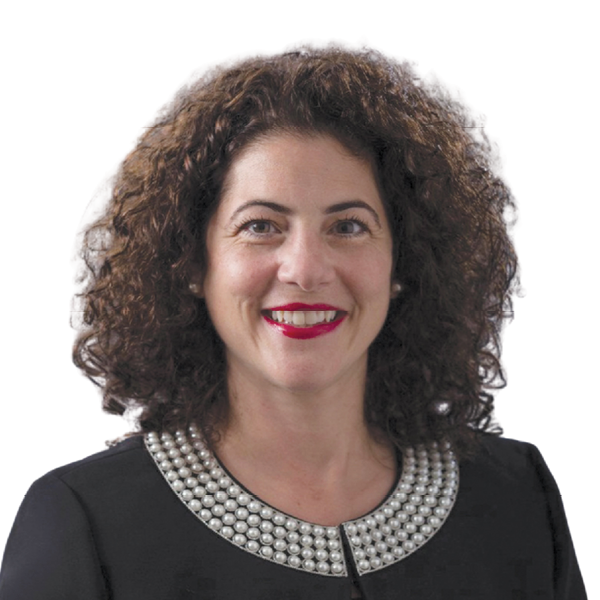
Susann Varano, MD, is a Yale-trained physician double board certified in internal medicine and geriatric medicine, currently practicing as a geriatric consultant for medically complex patients. Principal investigator at Clinical Research Consulting, she has completed 200+ clinical trials and served as geriatrics course director for the Yale University School of Medicine Physician Associate Program.
- Pathogenesis of pain in aging: Acute vs. persistent, nociceptive vs. neuropathic
- Validated screening tools for pain assessment including patients with moderate-to-severe dementia
- CDC Clinical Practice Guideline updates applied specifically to geriatric practice
- Opioid prescribing risk reduction; adjuvant therapies and cannabinoids
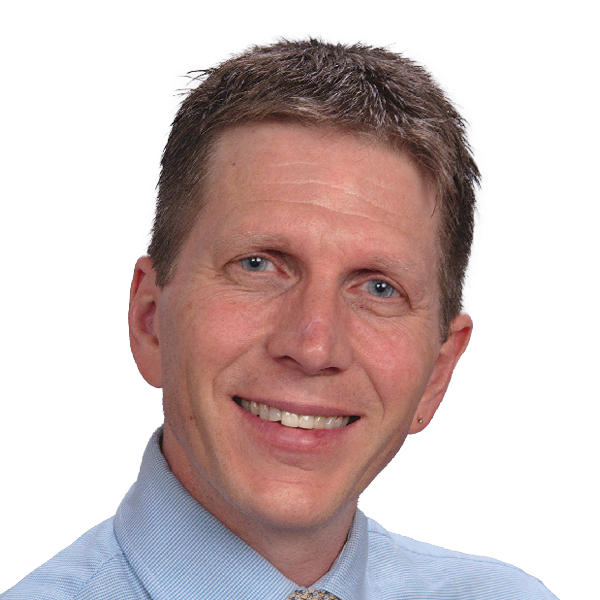
Steven Atkinson, PA-C, MS, is a board-certified Physician Assistant specializing in geriatric internal medicine with 30+ years of clinical experience, including adjunct faculty at the University of Utah since 1994. Co-founder of Twin Cities Physicians, he is the author of Geriatric Pharmacology: The Principals of Practice & Clinical Recommendations and a national presenter on geriatric-related topics for 15+ years.
- Neuroscience of the aging brain: Hippocampal vulnerability, slowed neurogenesis, cortical remapping
- Core principles: Specificity, repetition, intensity, dual-task training, goal-driven movement
- Evidence-based interventions: Constraint-induced movement therapy, guided imagery, mirror therapy
- Adapting neuroplastic approaches for frailty, cognitive impairment, and comorbidities
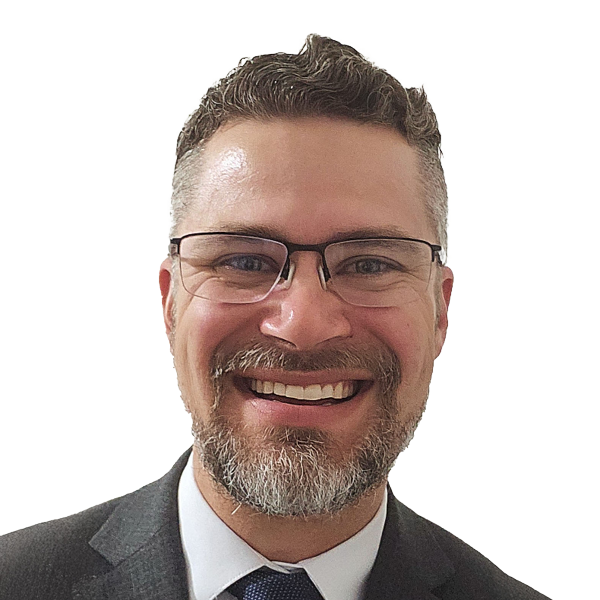
Benjamin White, PT, DPT, MBA, C/NDT, LSVT BIG, is a physical therapist specializing in stroke, Parkinson's, concussion, and vestibular rehabilitation across home health, skilled nursing, outpatient, and inpatient settings. Currently outpatient clinical director for Upstream in Tennessee, he is an award-winning clinical instructor and national speaker with published articles on neuroplasticity and stroke rehabilitation.
- BEERS Criteria: Medications to avoid, use with caution, or systematically reconsider
- STOPP/START criteria as a practical deprescribing tool for complex patients
- High-risk drug-disease interactions: Dementia, diabetes, renal impairment, cardiovascular disease
- Anticholinergics, benzodiazepines, NSAIDs, and real-world deprescribing case studies
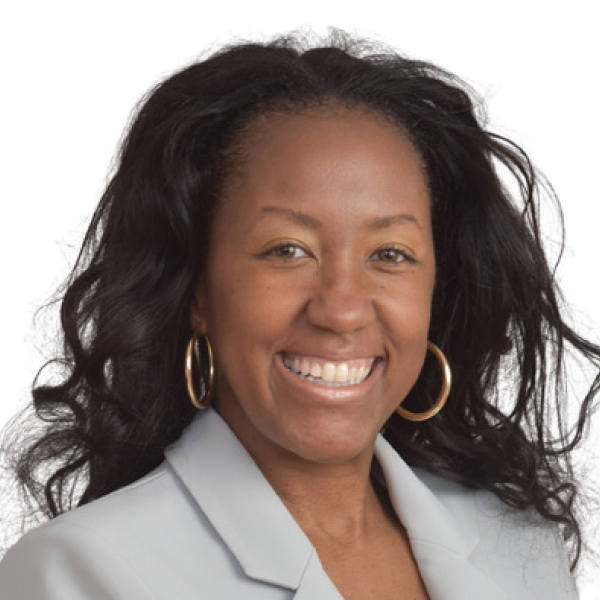
Kiplee Bell, MD, PA, practices across two clinical environments - emergency medicine within a major regional health system and longitudinal primary care through her own innovative house-call practice, Impactful Care®. An international keynote speaker and author of The Work of My Mother's Hands: A Caregiver's Journey, her clinical teaching is drawn directly from the realities of both acute and long-term geriatric care.
- The 8 central needs of dementia caregivers at each stage of the disease journey
- How caregiver burden escalates through early, middle, and late-stage dementia
- Education frameworks: Giving caregivers information that reduces confusion without overwhelming
- Recognizing caregiver burnout and knowing when and how to intervene clinically
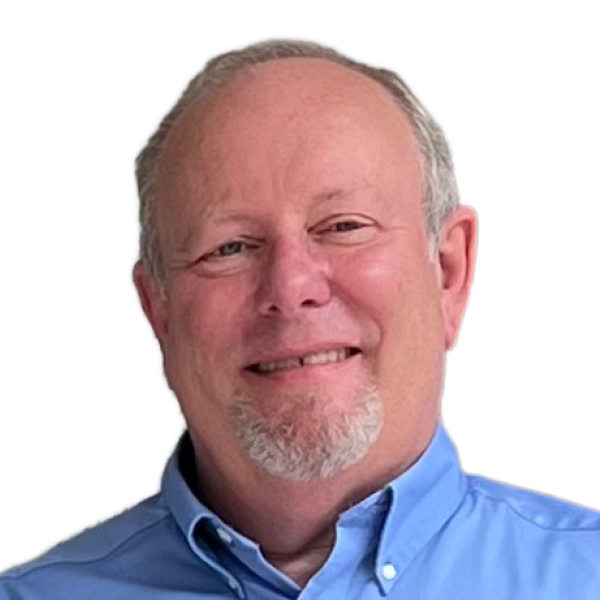
Edward G. Shaw, MD, MA is dually trained as a physician and mental health counselor. He was the primary care partner for his late wife, Rebecca, diagnosed with early-onset Alzheimer’s disease in 2007. Dr. Shaw founded the Memory Counseling Program at Atrium Health Wake Forest Baptist in 2011 and is the author of four books on dementia caregiving.
- Cultural humility: Moving from competency checklists to a reflective, patient-centered model
- Key cultural factors: Race, ethnicity, religion, geography, socioeconomic status, social drivers of health
- Family dynamics: Decision-making roles, elder authority, and implications for consent and care planning
- Provider self-assessment: Identifying assumptions that surface in clinical encounters
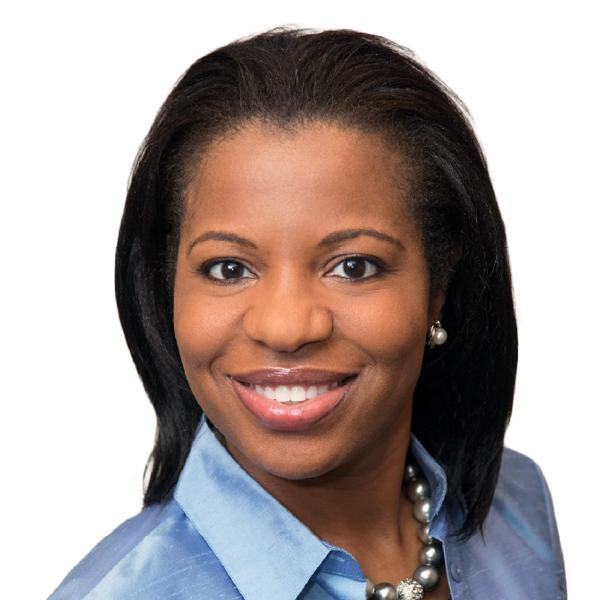
Latasha Ellis, PhD, LCSW, LISW-CP, is a licensed clinical social worker with 24+ years in medical social work and mental health, including 16 years in acute care oncology and chronic disease. Currently Dr. Ellis is the Regional Mental Health Director for a national advanced primary care company. In this role, she focuses clinically on the intersection of culture, chronic illness, and the patient-provider relationship.
- Advance directives: Power of attorney, living wills, instruction directives, and state-specific requirements
- DNR orders: Legal requirements, ethical considerations, and relevant state statutes
- Elder abuse and neglect: Criminal and civil distinctions and what most often goes undetected
- Mandatory reporting obligations: Federal and state statutes and public health code requirements
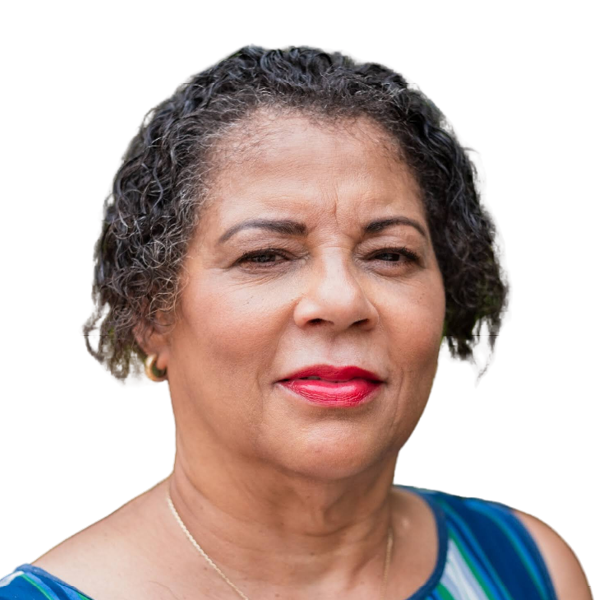
Lois A. Fenner-McBride, RN, MS, JD, is a nurse-attorney admitted to practice before the U.S. Supreme Court with a law practice focused on medical malpractice, licensure, and healthcare litigation. A founding member of the American Association of Nurse Attorneys and two-time Super Lawyer, she brings dual clinical and legal expertise to the intersection of nursing practice and legal accountability.
- Neuropsychiatric symptom control: Prescriptive decision-making and de-escalation techniques for agitation
- Psychotropic stewardship: CMS regulatory requirements and antipsychotic safety profiles
- Dysphagia in dementia: Physical, sensory, and cognitive contributors to unsafe swallowing
- Dying well: Ethical frameworks and confidence in end-of-life discussions
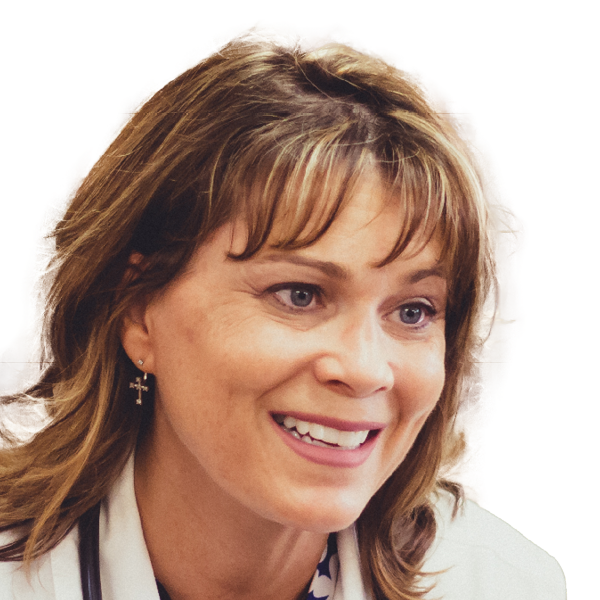
Amy Siple, APRN, has served the primary care needs of long-term care residents for over 25 years. A TEDx speaker and national presenter on geriatric topics, she led Kansas to become the 26th state to pass full practice authority for APRNs.
Your geriatric care education doesn't stop there.
The included bonus package takes it further – at no additional cost.
$2,429.77 Value
Click here for Credit details | Click here for course objectives and outline
With your course registration, you receive access to 6 FREE BONUSES - with a $599.94 value. Earn up to 8.5 total Pharmacology CE Hours across the full course, including up to 2.5 Pharmacology CE Hours from this bonus section.
Targeted Sessions by 22 Specialists and Top Clinicians
$2,429.77 Value
Click here for Credit details | Click here for course objectives and outline
An interprofessional team of nationally recognized clinicians, educators, and specialists. Click any name to learn more.
Dual certifications. One registration.
$2,429.77 Value
Click here for Credit details | Click here for course objectives and outline
You've seen the training. Now see what it earns you.
Complete this course and walk away with two nationally recognized certifications, both included free with your registration.

Certified Geriatric Care Professional
Signals to employers and patients that you've done specialized work for one of healthcare's most complex populations.
Evergreen Certified Dementia Care Specialist
Recognizes clinicians with specialized knowledge in dementia care across the full continuum, from early detection to end of life.
What dual certification does for you:
- Stand out to employers and patients as a specialist in geriatric and dementia care
- Meet rising demand as the population over 65 doubles and dementia rates triple by mid-century
- Add two nationally recognized credentials to your resume at no added cost
- Walk into complex care conversations ready to lead, not just participate
The Ultimate Interprofessional Approach to Age-Related Clinical Challenges
$2,429.77 Value
Click here for Credit details | Click here for course objectives and outline
We’re that confident you'll find this learning experience to be all that's promised and more than you expected.