
Please wait ...

PESI Logo
— Live in the Bay Area and Online

The Ten Best-Ever
Anxiety Treatment
Techniques

Updated strategies to help even the most challenging clients -- when the gold-standard playbook stops working.

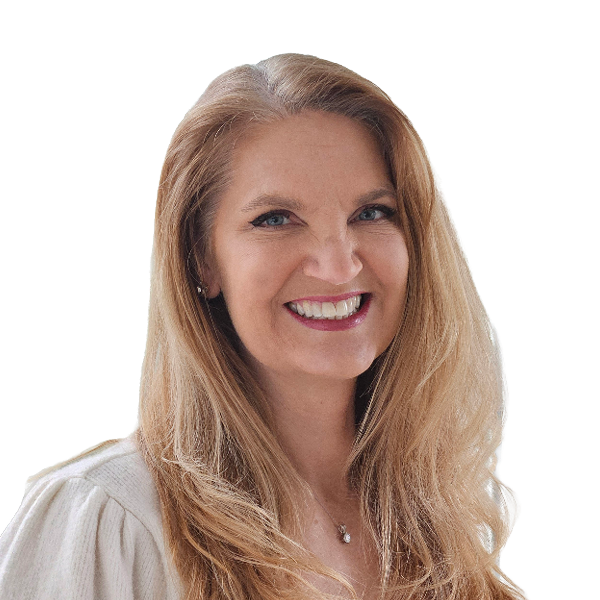
Dr. Janene M. Donarski
PhD, LP, CCATP, ECDCS · Neuropsychologist
EMDR Level II · PESI Faculty 10+ Years
Click here for information about Janene Donarski

It is so frustrating to have used all of the "gold standard" techniques and still not see progress. You have already worked through the traditional anxiety interventions but your clients continue experiencing the same nervousness, worrying and panic.

This program was made to help you. Watch neuropsychology and anxiety expert Dr. Janene M. Donarski as she teaches you practical, evidence-based strategies -- the 10 Best-Ever Anxiety Management Techniques, based on the groundbreaking work of Dr. Margaret Wehrenberg.

You will master:

  • Cutting edge modifications to anxiety techniques that work with even the most difficult cases
  • The latest tips for treating clients with co-morbid diagnoses
  • Options to use with groups and individuals that work in every clinical population
  • How to apply the neuroscience of memory reconsolidation and the default mode network to create successful exposure therapies and reduce rigid, anxious thought processes

With Dr. Donarski's pragmatic approach, you will get a complete set of tools to work with anxiety symptoms that you can immediately use with all clients and confidently apply in clinical practice.

Ready to Enroll?

Pick your format. Register today.

IN-PERSON -- CALIFORNIA

DoubleTree by Hilton San Jose

2050 Gateway Place, San Jose, CA 95110 Wednesday, December 2, 2026 · 8:00 AM - 4:00 PM PT


  • Full day in-person training with Dr. Donarski
  • Live Q&A access throughout the session
  • Networking with Bay Area clinicians
  • 90-day replay access included
  • Earn up to 6.25 CE hours
$269.99 per person
Register for San Jose →
Here's What You'll Learn

Full Course Outline

Neurobiological Basis of Panic, Worry & Anxiety

  • Why & how psychotherapy works to "use the brain to change the brain"
  • Pragmatic application of neuroscience to provide effective treatment
  • Presentation of anxiety when comorbid with depressions
  • Identify lifestyle contributions to anxiety
    • Impact of cannabis, caffeine, alcohol, tobacco/vaping, sugar
    • Physical conditions that mimic panic
  • Explore potential uses for medication
    • When to refer for medication
    • Discontinuing medication under medical guidance

Purpose of Worry

  • FOUR reasons why worry persists and the methods to manage those
  • Cognitive interventions to reduce persistent rumination
  • Eliminating worry: TWO methods to "contain worry"

Techniques That WORK to Modulate Physiology

  • FOUR important lifestyle changes to reduce anxiety
  • Treatment approaches that change brain function for long lasting recovery
  • Activate the brain's Default Mode Network (DMN) to increase cognitive flexibility & creative problem solving
  • The right way to teach & use diaphragmatic breathing
  • Use the Protocol, Predict, Prepare & Plan to eliminate panic
  • Develop the FOUR competencies of stress management
    • Eliminate stressors -- Impact of constant technology use
      • Screen time, gaming, texting
      • Respond to new fears created/exacerbated by social media
    • Managing time & environment
    • Managing attitude
    • Rest & relaxation: Including the powerful Attention Restoration Theory
  • Use the powerful, science-based protocol for memory reconsolidation to create successful exposures
  • Change catastrophic thinking
  • Utilize Mindful Awareness techniques to improve social anxiety fear
  • Apply the "3 C's" model to construct treatment for social anxiety

Techniques for Treating Cognitive Problems of Anxiety & Panic

  • The best thought-replacement methods for worry & rumination
  • Identify the person with "Too Much Activity"
  • Tools to reduce generalized anxiety in the highly active person
  • Cognitive approaches that can intervene on anxiety-producing perfectionism and procrastination

Techniques for Managing Social Anxiety

  • Address the relationship between the desire for significance & social anxiety in Millennials and the iGeneration
  • Special considerations for treating different age groups, from children to aging clients
  • Identify negative internal dialogue & apply methods from rational emotive therapy
  • Structure cognitive change through planned "countercognitions"
  • Construct "In vivo exposure" techniques that optimize recovery from social anxiety at every age
  • Utilize Emotional Freedom Techniques & "Tapping In" to diminish anticipatory anxiety

Limitations of the Research & Potential Risks

  • Research limitations and risk factors associated with clinical application of the techniques presented
  1. Determine the neurobiological causes of panic, generalized anxiety and social anxiety and clarify how this information directs treatment decisions and improves treatment compliance.
  2. Implement strategies for stress management to reduce symptoms of anxiety in clients, including lifestyle changes, cognitive interventions and time management tools.
  3. Perform effective use of diaphragmatic breathing techniques for physiological modulation in the treatment of anxiety.
  4. Demonstrate how the process of memory reconsolidation can be utilized to reduce reactivity to trauma cues, including shame trauma, that trigger social anxiety or panic attacks and sets up effective exposures to promote rapid recovery.
  5. Integrate specific clinical techniques to address persistent worry and understand how they change the neurobiology of ruminative thought patterns in clients.
  6. Utilize cognitive therapy interventions with clients to manage perfectionism, procrastination and to increase flexible, creative problem solving to replace worry.
The Clinical Reality

Anxiety lives inside nearly every diagnosis in the DSM™.

Substance Use Hoarding Attachment Trauma Marital Conflict OCD Panic PTSD Social Anxiety Perfectionism

Which means the techniques in this training are not just for your anxiety clients -- they are tools you will use with every client you see this week.

The Framework

Every anxiety client is on one of two pathways.
Most clinicians are only trained to treat one.

Anxiety does not come from one place in the brain. It comes from two -- the amygdala pathway (fast, body-first, built on association) and the cortex pathway (slow, narrative, built on rumination). Each pathway is wired differently. Each responds to completely different treatments.

"People say, 'I've been in therapy for five or ten years and I don't feel like it's changed.' They've been doing it under the wrong pathway."
-- Dr. Janene M. Donarski, PhD, LP, CCATP, ECDCS
Amygdala Pathway

The fast one

Reflexive. Body-first. No logic, only association.

sensory input → thalamus → amygdala → anxiety
Shows up asPanic attacks · PTSD triggers · phobias · startle response · trauma reactivity
Responds toBody-based protocols -- and you will get the specific modifications that make them work on the hardest cases.
Why talking alone failsTalking lands in the cortex. Panic lives in the amygdala. The two barely connect -- which is why your CBT clients keep cycling back.
Cortex Pathway

The thinking one

Deliberate. Mind-first. Runs on rumination.

sensory input → thalamus → cortex → amygdala → anxiety
Shows up asGeneralized worry · social anxiety · perfectionism · "what-if" spirals · rumination
Responds toCognitive interventions -- and you will get the precise language shifts that unlock the treatment-resistant client.
Why exposure alone failsExposure trains the amygdala. Worry lives in the cortex. The two barely connect -- which is why your worry clients keep finding new things to fear.
Beyond the Gold Standard

The clinical moves that take the hardest cases the rest of the way.

01
Amygdala

Response Repetition -- when response prevention is not enough.

ERP says block the compulsion. Dr. Donarski's modification: when blocking fails, multiply. The case of the client who checked their tongue 120+ times per meal until the OCD itself became unpleasant and dropped the ritual -- a signature move that is nowhere in the standard ERP literature.

02
Cortex

"I can't" is almost always "I won't."

A central reframe for the treatment-resistant client. The language change is not semantic -- it shifts agency, dissolves the "my anxiety won't let me" story, and opens the door to behavioral experiments the client has been refusing for months. You will use this in your next intake.

03
Both Pathways

The physical conditions clinicians miss when they diagnose anxiety.

POTS. Alpha-gal syndrome. B12 deficiency. Steroid side effects. The Sunday-night "work anxiety" that is actually a weekend binge-drinking rebound. When you do not know to look, your client spends months in therapy for a symptom that is not psychological -- and your exposures will not touch it.

Ten techniques. Two pathways.
One day that changes how you practice.

Up to 6.25 CE hours, approved by multiple boards.

Dr. Janene M. Donarski, PhD, LP, CCATP, ECDCS

"Dr. Donarski's competency was amazing. Slides well documented. Outstanding return on investment."

Licensed Counselor / Psychotherapist

"Instructor was incredible. I could have taken 3 more days of training. Learned so much."

Community Mental Health Social Worker
Your Instructor

Dr. Janene M. Donarski, PhD, LP, CCATP, ECDCS

EMDR Level II · Neuropsychologist · PESI Faculty 10+ Years

Dr. Donarski has spent decades in private practice treating the exact clients this training is built for -- panic, PTSD, OCD, and hypervigilance -- across children, adolescents, adults, and geriatric populations. Neuropsychological assessment is her home base; exposure therapy, memory reconsolidation, and EMDR are her clinical tools.

In her twenties, she was pulled on stage as a volunteer at an Albert Ellis training. She has called it "probably one of the highlights of my life." That lineage -- direct training from the founder of REBT -- runs through every cognitive technique in this course.

For more than ten years, she has trained fellow clinicians through PESI. Psychologists, LCSWs, LMFTs, LPCs, school counselors, occupational therapists, speech-language pathologists, and behavioral health nurses have all given this course a standout rating.

She is a certified EMDR Level II clinician, a certified hypnotherapist, and a practitioner of Neuro-Linguistic Programming and Time Line Therapy. What she teaches on December 2nd and 3rd is the distillation of all of it -- the tools she reaches for when the gold-standard playbook stops working.

Click here for information about Janene Donarski

"I used it the next day in sessions. Explaining the biological makeup of anxiety and panic helps it be less of a 'me problem,' which is helpful to clients."

-- Licensed Counselor / Psychotherapist
Ready to Enroll?

Pick your format. Register today.

IN-PERSON -- CALIFORNIA

DoubleTree by Hilton San Jose

2050 Gateway Place, San Jose, CA 95110 Wednesday, December 2, 2026 · 8:00 AM - 4:00 PM PT


  • Full day in-person training with Dr. Donarski
  • Live Q&A access throughout the session
  • Networking with Bay Area clinicians
  • 90-day replay access included
  • Earn up to 6.25 CE hours
$269.99 per person
Register for San Jose →
Group Registration

Train more. Pay less. Implement together.

How Group Pricing Works
1
Add the training to your cart at your selected format
2
Adjust the quantity to match your group size
3
Enter your promo code at checkout -- discount applies automatically
2 - 4 Staff
10% Off
Your Discount Code

Click to copy -- paste at checkout.

5 - 9 Staff
15% Off
Your Discount Code

Click to copy -- paste at checkout.

★ Best Value
10+ Staff
20% Off
Discount Code

Click to copy -- paste at checkout.

Questions about group registration? Call PESI at 1-800-844-8260 or email info@pesi.com.

What Your Peers Said

Evaluations from actual attendees.

From psychologists to school counselors -- the breadth of the audience matches the breadth of the techniques.

This is one of the best presenters I have ever heard and I am a long time customer. It was excellent.

Licensed Social Worker

This is the best training I've attended in a long time. I appreciated the examples of dialogue that can be used with patients. Lots of refreshing new techniques to try.

Community Mental Health Social Worker

I'm used to very professional speakers with PESI, and this speaker proved to be one of the best. Top notch in understanding and presenting this very comprehensive material.

Licensed Psychologist

She had enough material for a 3-credit-hour graduate level course. It was a fabulous neuropsych webinar.

Social Worker, Addictions

Really good presentation. Well-organized, pertinent, and there was no fluff. Great use of metaphors, pop-culture references, and humor -- all of it kept me focused and connected.

Licensed Psychologist

Loved the pace of the course. Plenty of new information and new perspectives. Refreshing compared to other courses that seem to repeat content or address lower-level knowledge.

Child / Adolescent Social Worker

The presenter provided so many strategies that are user-friendly and able to be used immediately.

School Counselor, K-12

Best neuroscience course on PESI that I have taken.

Licensed Counselor / Psychotherapist

I used it the next day in sessions. Explaining the biological makeup of anxiety and panic helps it be less of a 'me problem,' which is helpful to clients.

Licensed Counselor / Psychotherapist
Questions, Answered

Frequently asked.

San Jose -- Wednesday, December 2, 2026
DoubleTree by Hilton San Jose
2050 Gateway Place, San Jose, CA 95110

South San Francisco -- Thursday, December 3, 2026
DoubleTree by Hilton San Francisco Airport
275 South Airport Blvd, South San Francisco, CA 94080

Daily schedule: 8:00 AM - 4:00 PM PT · lunch 11:50 AM - 1:00 PM · 15-minute AM and PM breaks.

Most anxiety CEs teach CBT + ERP + some grounding. This one starts from a different question: which pathway is this client's anxiety running on? Dr. Donarski's two-pathway framework (amygdala vs. cortex) is the organizing logic for every technique -- so when one tool is not working, you have a clear diagnostic reason why and a second set of tools that do.

You will also get things you will not find in most trainings: the response-repetition protocol for treatment-resistant OCD, the multi-hierarchy method, the beta-blocker/exposure interaction pearl, and the specific breathing protocols that work with GAD clients (where square breathing usually backfires).

Yes. If you have any client who presents with anxiety, panic, OCD, social anxiety, perfectionism, or rumination, this training is directly usable. The target audience includes:

  • Social Workers
  • Psychologists
  • Counselors
  • Marriage and Family Therapists
  • Case Managers
  • Addiction Counselors
  • Therapists
  • Nurses
  • Psychiatrists
  • Physicians
  • Speech-Language Pathologists
  • Occupational Therapists
  • Other Mental Health Professionals

Daily schedule: 8:00 AM - 4:00 PM PT · lunch 11:50 AM - 1:00 PM · 15-minute AM and PM breaks.

There will be a 70-minute lunch and two 15-minute breaks; one in the morning and one in the afternoon. Lunch and break times will be announced by the speaker and at their discretion. A more detailed schedule is available upon request.

Groups of 2-4 get 10% off with GROUP10. Groups of 5-9 get 15% off with GROUP15. Groups of 10+ get 20% off plus a complimentary 60-minute virtual implementation consult, using GROUP20. See the group registration section above to copy your code.

The complete recorded training -- same content, same 6.25 CE hours, same slides and handouts. Start watching immediately after purchase. Pause, resume, and re-watch anytime. Earn CE on your own timeline with lifetime access to all course materials.

Your Next Move

The ten techniques your hardest clients have been waiting for.

Live December 2nd in San Jose. December 3rd in South San Francisco. Streamed live December 3rd -- or on-demand, starting the moment you register. Up to 6.25 CE hours. 100% satisfaction guarantee.

NOTE: For live CE credit, you must attend the event in its entirety at its scheduled time and complete the CE quiz and evaluation within one week. You will have access for 90 days after the program for review.