
Abandonment Trauma
Specialist Certificate Training
DBT, CBT, Somatic and Parts Work Techniques to Treat Attachment and Inner Child Wounds
When clients come to us with abandonment trauma our role is to dive into the heart of their fears and help them heal the childhood wounds impacting their adult lives and relationships.
But they learned to shut down their feelings. Hide their needs, people-please and over-rely on others to validate their worth.
And “trusting”? It’s a place they’ve been hurt before.
Getting past those survival mechanisms can make or break your client’s chances of healing. And it’s not easy.
That’s why abandonment trauma expert Ellen Biros created this exclusive 2-day Abandonment Trauma Certificate training -- to provide you a roadmap to navigate the complexities of abandonment trauma so you can offer your clients direction, hope, and the keys to healing.
With detailed step-by-step instruction, she’ll share DBT, CBT, somatic approaches and parts work treatments including IFS therapy that will allow you to help clients:
- Overcome abandonment fears and forge a path toward lasting healing and better relationships
- Rewrite toxic core beliefs about love, self-worth, rejection and identity
- Repair attachment injuries driving reactivity, avoidance, dependency, and relationship struggles
- Processes grief for the childhood they never had, clearing the way for self-trust and emotional freedom
- Set healthy boundaries and reduce their exposure to toxic relationships
- Build clients self-compassion and reparent themselves
This training gives you the clinical toolkit you need to break clients free from lifelong patterns of fear, shame, and disconnection.
PLUS, you’ll earn a displayable certificate of completion and digital badge to let clients know you’ve trained with a recognized expert.
So don’t wait. Register now.
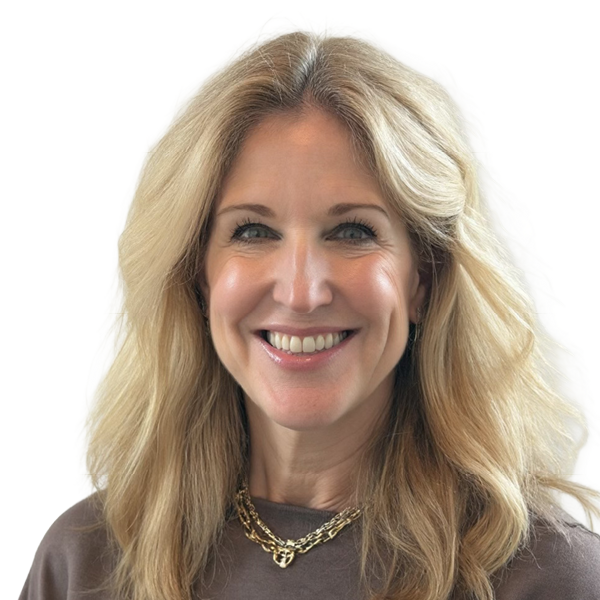
Ellen Biros, LCSW, C-PD
Certified Personality Disorder Treatment Provider · Abandonment Trauma Expert · Author
Ellen Biros has over 25 years of experience working with individuals struggling with trauma, anxiety, substance abuse, depression, domestic violence and personality disorders. She specializes in working with survivors of narcissistic abuse and other manipulative personality disorders.
Ms. Biros has trained thousands of therapists on a variety of issues including emotional manipulation, personality disorders, and covert abuse. She's an adjunct faculty member at The University of Phoenix in the School of Social Work and was formerly an adjunct at Tulane University's School of Social Work.
She is the author of Recovering from Narcissistic Mothers: A Daughter's Workbook.
What You'll Learn — Day by Day
A carefully sequenced two-day experience, moving from clinical theory through to practical, hands-on intervention skills.
- Overview of attachment theory (Bowlby, Ainsworth, Main)
- Early relational trauma and its role in shaping the nervous system
- Polyvagal theory and attachment security
- Mapping childhood experiences to adult relational patterns
- Differentiating the adaptive, wounded, and functional inner child
- Role of parental mirroring and emotional attunement
- Developmental milestones and unmet needs
- Exercise: Inner Child Dialogue and Needs Inventory
- How core beliefs form from early experiences
- Shame, guilt and the defectiveness schema
- Identity and self-image in attachment context
- Experiential: Timeline of Emotional Development
- Defining abandonment as a core wound
- Acute, chronic, and complex trauma distinctions
- Avoidant, anxious, and disorganized attachment patterns
- Trauma bonding, codependency, and relational disconnection
- Emotional dysregulation and relational volatility
- Somatic symptoms and attachment-related anxiety
- Dissociative reactions and emotional flashbacks
- Cultural and intergenerational trauma considerations
- Cognitive restructuring and schema reframing
- Emotion regulation, mindfulness, and distress tolerance
- Cognitive distortions: rejection sensitivity, personalization, catastrophizing
- Schema therapy: healing the defectiveness schema
- Inner child repair through IFS and TIST work
- Self-compassion and reparenting practices
- Experiential: Reparenting Letter and Safe Place Visualization
- Graded exposure for abandonment triggers
- Breathwork, grounding, and body-based stabilization
- Research, risks and treatment limitations for techniques
- Countertransference, boundaries, and vicarious trauma strategies
8,000+ Clinicians. One Consistent Message.
"This was one of the best trainings I have ever attended — important and fascinating content that is useful for my work."
Mental Health Clinician
"Engaging and immediately applicable to real clinical work. Lots of great information and techniques to use with clients."
Licensed Counselor
"An amazing speaker! I will be looking into more of her trainings now. I recommend this to all counseling students and clinicians."
Social Worker
Don't miss this specialized training
Join thousands of clinicians who've already transformed their practice with Ellen Biros. This is the systematic abandonment trauma training graduate school didn't give you.
Group Registration
Train More. Pay Less. Implement Together.
Bring your whole team. The more you register, the more you save — and the more impact you'll have in your practice.
Clicking above copies your code automatically — just paste it at checkout.
Clicking above copies your code automatically — just paste it at checkout.
Clicking above copies your code automatically — just paste it at checkout.
Questions? Call us at 1-800-844-8260
Hilton Garden Inn — Fairfax, VA
3950 Fair Ridge Drive · Fairfax, VA 22033
The Hilton Garden Inn Fairfax offers comfortable, well-appointed rooms just steps from the training venue, making it easy to arrive refreshed and focused each morning. The surrounding Fair Oaks area features a wide range of dining, shopping, and conveniences — everything you need to recharge between two full days of intensive learning.
Book Your RoomFrequently Asked Questions
What will I actually be able to do differently with clients after this training?
This is a skills-first training — not just theory. By the end of two days, you'll have concrete techniques you can use in your next session. That includes CBT and schema-based tools to rewrite toxic core beliefs around love, rejection, and self-worth; DBT strategies for emotion regulation and setting healthy boundaries; somatic and breathwork interventions to help clients regulate when they're in acute distress; and IFS and inner child reparenting approaches to help clients process grief for the childhood they never had and rebuild self-compassion. You leave with a full clinical toolkit, not just a conceptual framework.
Who is this training designed for?
This training is designed for licensed mental health professionals — including Counselors, Social Workers, Marriage & Family Therapists, Psychologists, Physicians, Case Managers, Addiction Counselors, Nurses, and other Mental Health Professionals — who work with clients affected by trauma, attachment wounds, relationship difficulties, or patterns rooted in childhood abandonment. Whether you're new to trauma-informed work or looking to deepen and expand an existing practice, this training gives you specialized tools that graduate school typically doesn't cover.
What CE credit is available for this training?
This training offers up to 12.5 continuing education hours. Upon completion you'll receive a certificate of completion and a digital badge.
Click here for In-Person CE details · Click here for virtual CE credit details
Please note: For live CE credit, you must watch the live presentation in its entirety at its scheduled time and complete the CE quiz and evaluation within one week. Please note that this requirement may vary by credit type. Please see detailed credit information for specific requirements for each credit type.
What is the daily schedule?
Both days follow the same schedule:
- 8:00 AM Training begins
- ~10:00 AM 15-minute morning break
- 11:50 AM – 1:00 PM Lunch break
- ~2:45 PM 15-minute afternoon break
- 4:00 PM Training ends
All times are Eastern. Schedule is approximate and may vary slightly.
Your clients need you to have these skills
Don't wait. Join over 8,000 clinicians who've already trained with Ellen Biros and gained the clinical toolkit they need to genuinely help clients heal from abandonment trauma.
November 5–6, 2026 · 8A–4P Eastern · Hilton Garden Inn, Fairfax, VA or Online · Early Bird Ends Oct 8, 2026
- ✓Two transformative days live with Ellen Biros
- ✓Certificate + Digital badge
- ✓Deep experiential learning + Audience Q&A
- ✓Slides, tools & handouts included
- ✓90-day replay access
- ✓Earn up to 12.5 CE hours
- ✓Attend from anywhere – real-time chat + Q&A
- ✓Certificate + Digital badge
- ✓Experiential exercises & community connection
- ✓Slides, tools & handouts included
- ✓90-day replay access
100% Satisfaction Guarantee
Register for this intensive training course without risk. If you're not completely satisfied, give us a call at 800-844-8260.
We're that confident you'll find this learning experience to be all that's promised and more than you expected.