MO Abandonment Trauma: Treatment Strategies to Heal Inner Child Wounds and Restore Healthy Attachment

Stuck in self-fulfilling cycles of mistrust, many clients expect abandonment and inadvertently create situations that reinforce those expectations.
As therapists our role is to dive into the heart of those abandonment fears, and help them heal the traumatic childhood wounds impacting their adult lives and relationships.
But for some clients "trusting" is a place where they've been hurt before, making deep therapeutic work difficult to get off the ground. Others can be too clingy, looking for you to meet their intense need for reassurance and connection.
That's why expert Ellen Biros created this training — to provide you a roadmap to navigate the complexities of abandonment trauma so you can offer your clients direction, hope, and the keys to healing.
In just one day, she'll guide you through the practical and effective approaches you need to build trust with these clients, help them overcome their abandonment fears, and forge a path toward lasting healing and better relationships.
With specific exercises from CBT and DBT you can use right away, you'll end this course ready to help your clients set healthy boundaries, reduce their exposure to toxic relationships, and reframe the negative thought patterns about self-worth and rejection that have been holding them back.
This training is a valuable addition to any therapist's treatment toolkit and in-person seats are limited — register today!
The Inner Child Work Your Attachment-Wounded Clients Are Waiting For
September 14, 2026 · 8am–4pm Central Time
⏳ Advanced Registration Discount Available — Register by 9/1/2026
Live In-Person
Clayton Plaza Hotel · Clayton, MO
- In-Person Seating Is Limited — Reserve Your Spot Today
- Earn up to 6.25 CE Hours
- Network with your peers
- 90-day access to replay
Live Stream from Anywhere
Participate from your office or home
- Earn up to 6.25 CE Hours
- Same access to video demonstrations and live Q&A
- Archive recording available for 90 days
- 90-day access to replay
Walk Away Ready to:
What You'll Learn — Full Program Outline
8am–4pm Central Time · Clayton, MO and Online
Abandonment, Attachment, and Early Experiences
- Early childhood's role in shaping the inner child
- Impact of attachment patterns on inner child development
- Recognize vulnerability, resilience, and a healthy inner child
- Formation of core beliefs from early experiences
- Link between self-identity and inner child health
Trauma and the Spectrum of Abandonment
- Differentiate between acute, chronic, and complex trauma
- Types of trauma and the impact on attachment
- Understand abandonment as a core psychological wound
- How abandonment influences personality development
- Impact of attachment on forming and maintaining healthy relationships
- Barriers to healthy relationships in adulthood
Recognize Signs and Symptoms
- Behavioral manifestations
- Cognitive and emotional symptoms
- Attachment-related behaviors
- Impact on self-esteem and identity
- Cultural considerations
The Abandonment Trauma Treatment Toolbox: CBT and DBT Strategies and Exercises to Repair Inner Child Wounds
- Principles and techniques for trauma and abandonment issues
- DBT skills training for emotional regulation and interpersonal effectiveness
- Tools to set healthy boundaries and reduce exposure to toxic people
- Cognitive exercises to challenge negative thought patterns about self-worth
- Cognitive restructuring exercises to rebuild trust and self-confidence
- Behavioral interventions for self-compassion and fear of rejection
- Self-soothing techniques for abandonment triggers
- Graded exposure and desensitization for abandonment-related anxieties
- Research, risks and treatment limitations
Therapeutic Relationship and Therapist Self-Care
- Build a therapeutic alliance
- Strategies for managing countertransference and vicarious trauma
- Self-care practices for therapists
- Identify the concept of the inner child and its relationship to treatment.
- Analyze the relationship between core abandonment beliefs and early maladaptive abandonment/instability schemas in adult individuals.
- Determine the role of the expectation of abandonment as a contributing factor to the development of anxious and avoidant attachment styles in clients.
- Use cognitive strategies to reframe negative thought patterns, beliefs, and behaviors related to the fear of abandonment and self-worth.
- Choose DBT strategies to help clients address difficulties in handling interpersonal relationships.
- Utilize graded exposure and desensitization to reduce abandonment-related anxieties.
Your Peers Are Raving About This Training
Get the Tools to Turn Abandonment Fears Into Lasting Healing
Live In-Person
Clayton Plaza Hotel · Clayton, MO
- In-Person Seating Is Limited — Reserve Your Spot Today
- Earn up to 6.25 CE Hours
- Network with your peers
- 90-day access to replay
Live Stream from Anywhere
Participate from your office or home
- Earn up to 6.25 CE Hours
- Same access to video demonstrations and live Q&A
- Archive recording available for 90 days
- 90-day access to replay
Earn up to 6.25 CE Hours! Click here for Credit details | Click here for virtual CE credit details
Can't attend these dates? Order the self-study version here!
Meet Your Expert

Ellen Biros, LCSW, C-PD
Licensed Clinical Social Worker · Certified Personality Disorder Treatment Provider
Ellen Biros has over 25 years of experience working with individuals struggling with trauma, anxiety, substance abuse, depression, domestic violence, and personality disorders. She's a Certified Personality Disorder Treatment Provider (C-PD) and specializes in working with survivors of narcissistic abuse and other manipulative personality disorders. Ms. Biros has trained thousands of therapists on a variety of issues including emotional manipulation, personality disorders, and covert abuse. She's an adjunct faculty member at The University of Phoenix in the School of Social Work and was formerly an adjunct at Tulane University's School of Social Work. Ms. Biros is the author of Recovering from Narcissistic Mothers: A Daughter's Workbook.
Love It Or Your Money Back — Risk-Free Registration
If you don't walk away with at least 3 interventions you can use immediately with your clients, we haven't done our job. This training delivers practical tools, not just concepts.
Event Venue
Join Us in Clayton, MO
Clayton Plaza Hotel
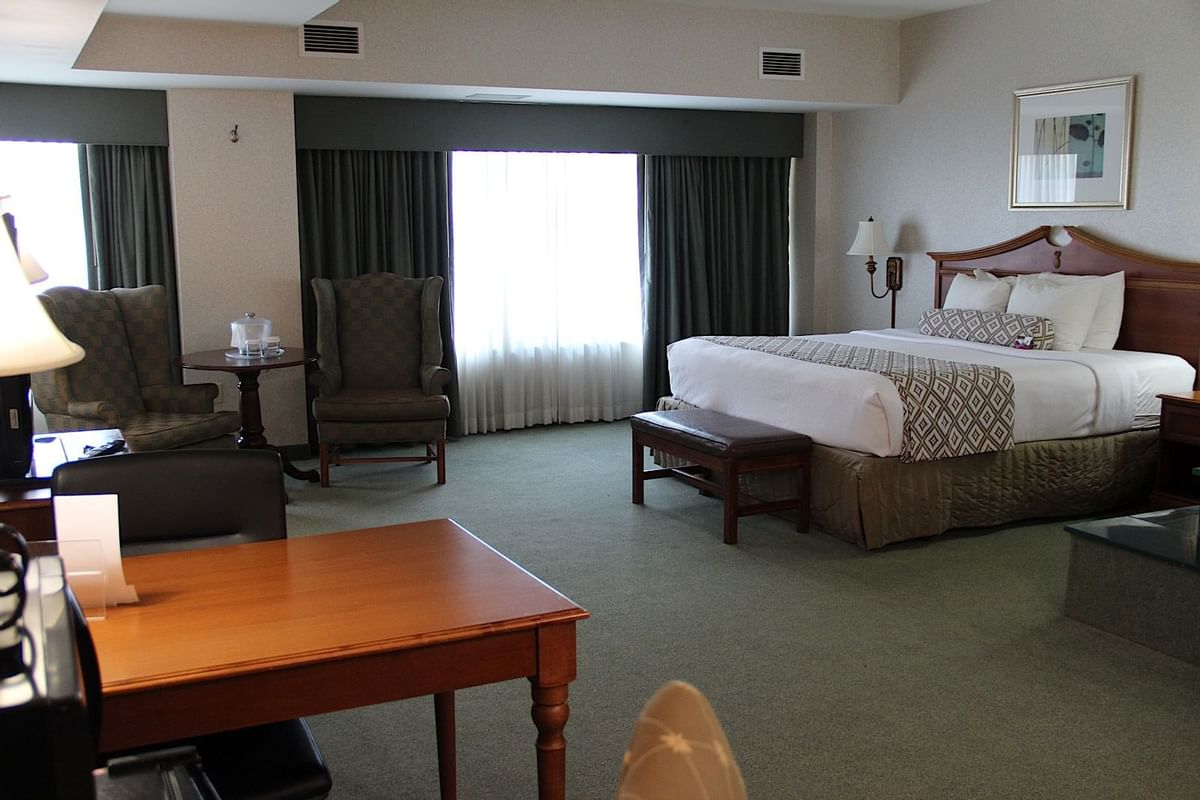
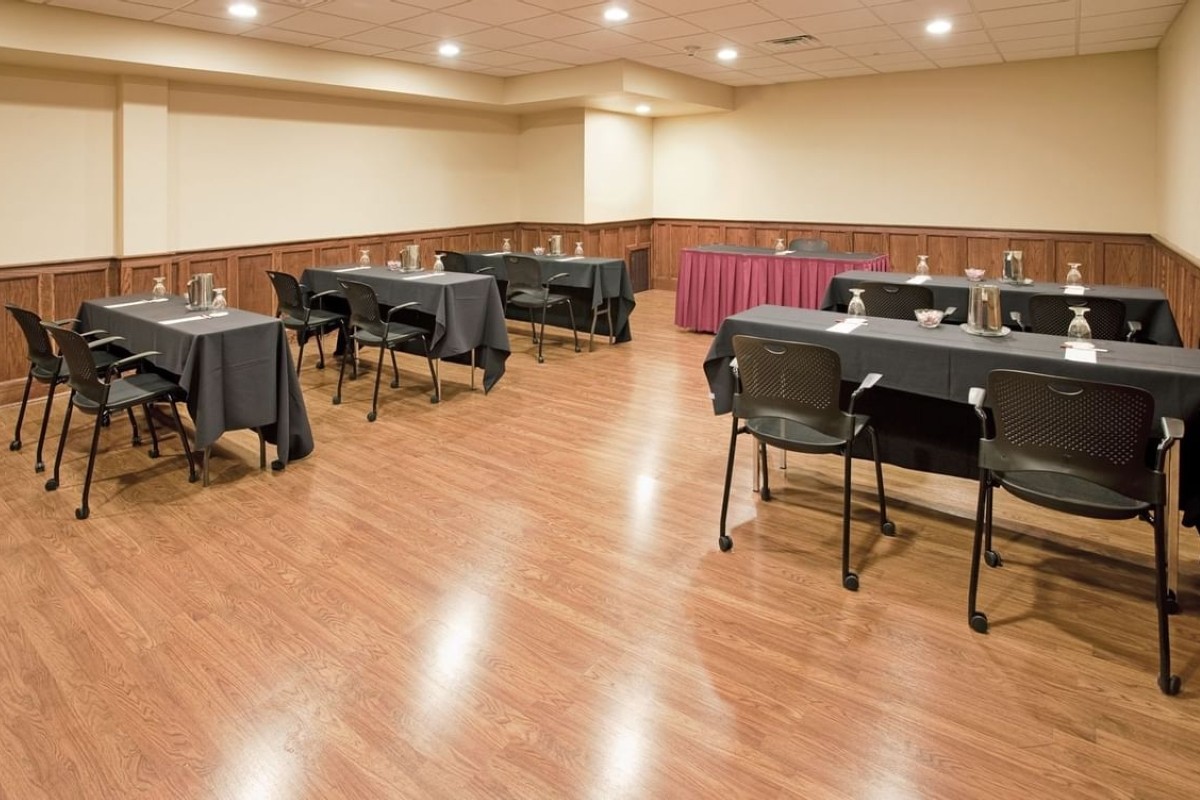
7750 Carondelet Ave, Clayton, MOClayton, MO puts you in the heart of the St. Louis metro — just minutes from world-class attractions like Forest Park, the renowned St. Louis Zoo, and the Gateway Arch, plus excellent dining and shopping. The Clayton Plaza Hotel offers complimentary breakfast, on-site parking, and comfortable accommodations to make your training getaway seamless.
Reserve Your Room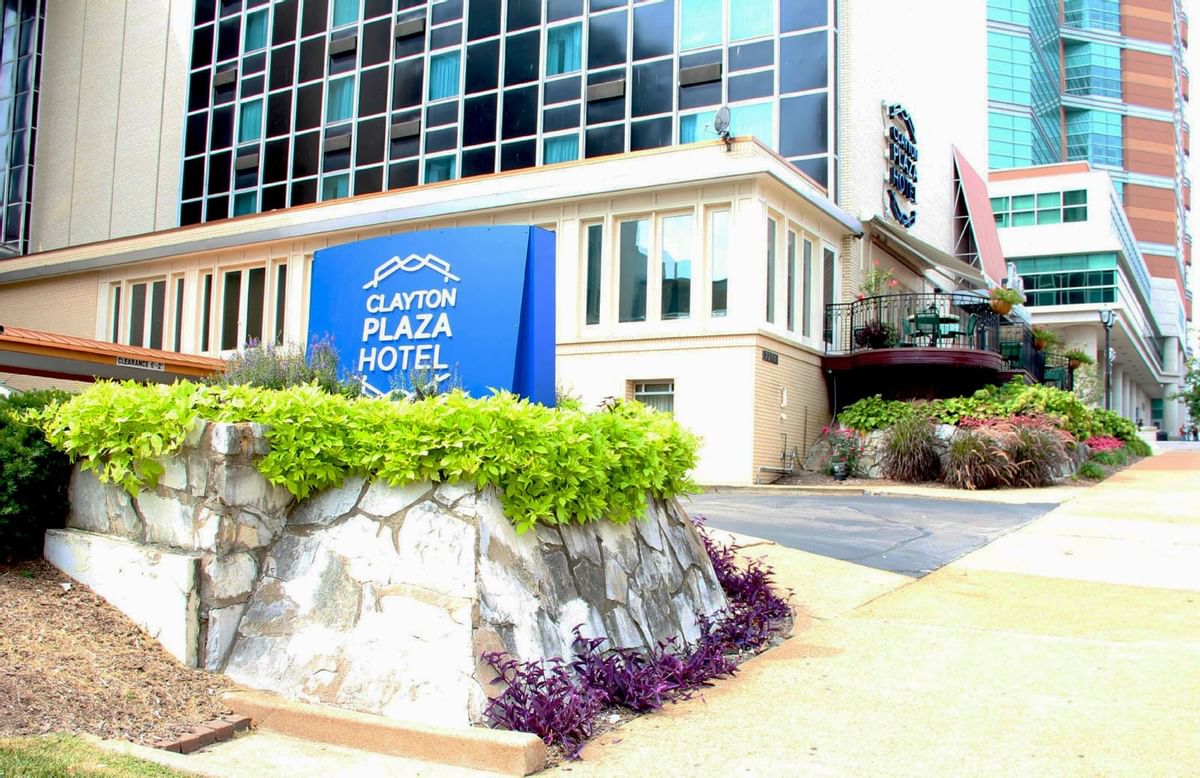

Frequently Asked Questions
There will be a 70-minute lunch and two 15-minute breaks; one in the morning and one in the afternoon. Lunch and break times will be announced by the speaker and at their discretion. A more detailed schedule is available upon request.
Please note: You will have access for 90 days after the program for review. For live CE credit, you must watch the live presentation in its entirety at its scheduled time and complete the CE quiz and evaluation within one week. Please note that this requirement may vary by credit type. Please see detailed credit information for specific requirements for each credit type.
- Counselors
- Social Workers
- Marriage & Family Therapists
- Psychologists
- Physicians
- Case Managers
- Addiction Counselors
- Nurses
- Other Mental Health Professionals
Register Today — In-Person Seats Are Limited
September 14, 2026 · Clayton, MO and Online · Early Bird Discount Ends 9/1/2026
Live In-Person
Clayton Plaza Hotel · Clayton, MO
- In-Person Seating Is Limited — Reserve Your Spot Today
- Earn up to 6.25 CE Hours
- Network with your peers
- 90-day access to replay
Live Stream from Anywhere
Participate from your office or home
- Earn up to 6.25 CE Hours
- Same access to video demonstrations and live Q&A
- Archive recording available for 90 days
- 90-day access to replay
Earn up to 6.25 CE Hours! Click here for Credit details | Click here for virtual CE credit details
Can't attend these dates? Order the self-study version here!