GA Clinical Applications of Internal Family Systems Therapy: Step-by-Step Procedures for Healing Traumatic Wounds and Alleviating Anxiety, Depression, Trauma, Addiction and More

Clinical Applications of
Internal Family Systems Therapy
Step-by-Step Procedures for Healing Traumatic Wounds and Alleviating Anxiety, Depression, Trauma, Addiction and More
Watch IFS Therapy Unfold in Real Time, Then Practice It Yourself Before You Leave
After decades of clinical innovation and recent scientific research, the empirically validated Internal Family Systems (IFS) model has been shown to be effective at improving clients' general functioning and well-being. This effective model provides clinicians with procedures for helping clients with the most challenging mental health profiles to heal the wounded, burdened, and traumatized parts of their systems.
Using the IFS model provides a compassionate, respectful, non-pathologizing approach to understanding the organization and functioning of the human psyche.
Embracing the transformative IFS therapy approach celebrates the natural multiplicity of the mind. Its assumption that every part of the system has good intention and valuable resources allows clinicians to approach even the most troubling of "symptoms" with compassion and respect. It offers therapists a powerful and effective set of tools for empowering clients with a wide range of clinical profiles to heal the wounded and burdened parts of their internal systems, resulting in:
- a way to enter clients' inner ecology without the overemphasis on containment and stabilization
- symptom reduction and improved functioning for clients
- deep self-healing within even the most troubled clients
Once you experience this powerful modality, you will want to incorporate it into your practice.
Through instruction, video demonstration, and experiential exercises, Alexia D. Rothman, PhD, Certified IFS therapist, will show you step by step how to apply the most effective, empirically validated IFS therapy interventions to help your clients connect with and understand their conflicting parts to facilitate deep, lasting healing.
Clinical Applications of Internal Family Systems Therapy
Live in Decatur
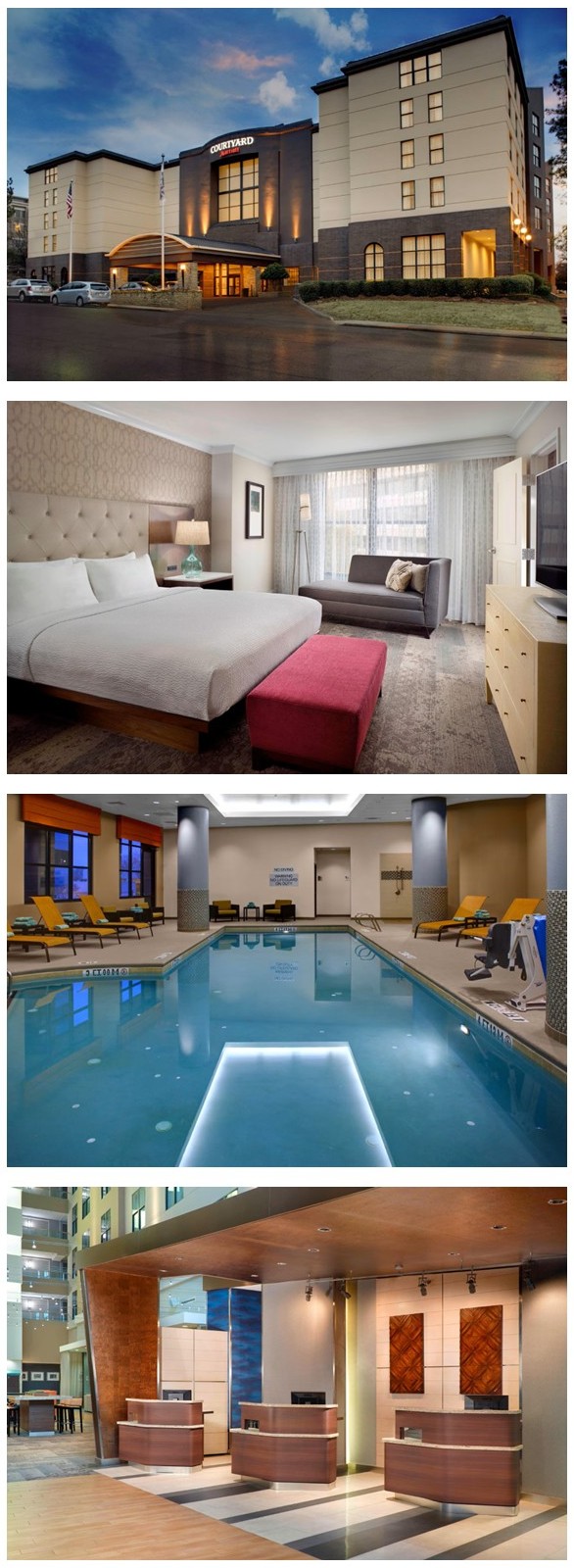
Courtyard by Marriott Atlanta Decatur Downtown/Emory
September 3, 2026 · 8 AM – 4 PM ET
- Immersive experiential exercises with live partners
- Network with other IFS-informed therapists
- Hands-on practice with real-time expert feedback
- Earn up to 6.25 CE hours
- Archive recording available for 90 days
Live Stream from Anywhere
Participate from your office or home
September 3, 2026 · 8 AM – 4 PM ET
- Same access to video demonstrations and live Q&A
- Earn up to 6.25 CE hours
- Archive recording available for 90 days
September 3, 2026 · 8:00am–4:00pm Eastern Time
- Comprehensive, compassionate, non-pathologizing treatment approach that views all parts as having protective intentions
- Paradigm-shifting perspective on "psychopathology"—symptoms aren't enemies to eliminate but parts trying to help
- Easily integrated into other therapeutic modalities (EMDR, CBT, DBT, somatic work)
- Teach clients to access inner wisdom and self-compassion to permanently heal traumatic wounds
- Concept of multiplicity: "We are all multiple personalities"
- Wounded, vulnerable parts (exiles)
- Protective parts: Managers (proactive) and firefighters (reactive)
- Burdens: Negative beliefs about oneself
- The Self: Compassionate inner leader and source of healing
- Core assumptions and goals of IFS therapy
- Flow of treatment over time
- Structure of an individual IFS session
- Case conceptualization including diversity, cultural sensitivity, personality disorders, DID, and addiction
- Differentiate the person from the symptom
- Access compassion and curiosity essential for healing
- Establish relationship with the target part
- Learn the history and benevolent intention behind the symptom
- Facilitate internal attachment work
- Learn and address the fears/concerns of protective parts
- Establish trusting, appreciative relationships with protectors
- Gain permission to proceed to healing (the critical step most therapists skip)
- Develop compassionate, connected relationship with wounded parts
- Witness pain rather than re-experience it: Learn to be "with," not "in" to avoid re-traumatization
- Retrieve the wounded part from "trauma time"
- Release/unburden thoughts, feelings, and beliefs
- Integrate change and use maintenance strategies
- IFS-specific techniques for in-the-moment emotion regulation, helpful even with panic, flashbacks, and dissociation
- How to handle clients who become blended or stuck
- Working with polarizations between parts
- Troubleshooting when protectors block access to healing
You'll See It Done—Then Do It Yourself.
No guessing. No "I think I'm doing this right."
You'll See It Done in Real Time
- Watch complete video demonstrations of IFS sessions with clients presenting anxiety, trauma, addiction, and complex PTSD
- Hear Dr. Rothman's internal decision-making process as she navigates each moment
- Participate in guided experiential exercises where you'll practice accessing parts, unblending, and witnessing (with expert coaching)
- Learn the "empty chair" technique integrated with IFS—an attendee favorite that adds immediate power to parts work
You'll Learn What Books Don't Teach
- What you say when a protective part refuses to give you permission
- How to keep the client in Self when they start blending with an exile
- The exact language that helps firefighter parts feel safe enough to step back
- How to witness trauma without re-traumatization (being "with" instead of "in")
- When to stop and work with a protective part vs. when to proceed
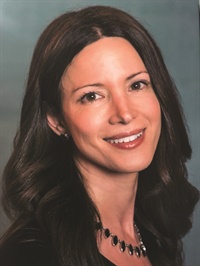
Dr. Alexia Rothman
Clinical Psychologist · Certified IFS Therapist · International Educator
Dr. Alexia Rothman is a clinical psychologist in private practice in Atlanta, GA, since 2004. She is a lead trainer for the IFS Institute, a Certified Internal Family Systems therapist, an international speaker and educator on the IFS model, and an IFSI-approved professional consultant. Dr. Rothman offers workshops and retreats on the IFS model throughout the U.S. and internationally. She co-hosts the IFS-based podcasts IFS Talks and Conversas IFS and has published a book chapter on the integration of IFS and Polyvagal Theory.
Dr. Rothman is a United States Presidential Scholar who graduated summa cum laude from Emory University as a Robert W. Woodruff Scholar. She received her PhD in clinical psychology from UCLA, where she was an Edwin W. Pauley Fellow and a National Science Foundation Graduate Research Fellow. She has held adjunct faculty positions at Emory University and Agnes Scott College.
"This course was excellent and has changed the way I do therapy with my clients."
— Toni C., Counselor"Excellent description and demonstration of a very complex (but helpful) therapeutic model!"
— Kim K., LMFT"After reading Dr. Schwartz's book No Bad Parts, this program was very helpful in continuing my understanding of IFS."
— Traci F., LCSW"Dr. Rothman made this training entertaining and memorable—excellent teaching style."
— Ashley L., LMFT"This was one of the best CEU courses I've ever taken."
— Natalie Z., LCSW"Several 'a-ha's!' in this — hadn't thought to use 'empty chair' in IFS. Very well done!"
— Anonymous AttendeeSkills You'll Apply Immediately
And most importantly: You'll understand WHY this modality is so powerful—and why the therapists who learn it say "This is what I've been looking for."
Clinical Applications of Internal Family Systems Therapy
Live in Decatur
Courtyard by Marriott Atlanta Decatur Downtown/Emory
September 3, 2026 · 8 AM – 4 PM ET
- Immersive experiential exercises with live partners
- Network with other IFS-informed therapists
- Hands-on practice with real-time expert feedback
- Earn up to 6.25 CE hours
- Archive recording available for 90 days
Live Stream from Anywhere
Participate from your office or home
September 3, 2026 · 8 AM – 4 PM ET
- Same access to video demonstrations and live Q&A
- Earn up to 6.25 CE hours
- Archive recording available for 90 days
Courtyard by Marriott
Atlanta Decatur Downtown/Emory
September 3, 2026 · 8:00 AM – 4:00 PM ET
Click Here to Reserve Your Sleeping Room

Everything You Need to Know
Please note: You will have access for 90 days after the program for review. For live CE credit, you must watch the live presentation in its entirety at its scheduled time and complete the CE quiz and evaluation within one week.