Youth Crisis Intervention and Suicide Prevention Course: Practical, Evidence‑Based Strategies Every Clinician Must Know to Safely Treat Teens and Adolescents

Turn moments of crisis into pathways toward safety and hope.”
When adolescents are suicidal, the margin for error disappears.
Was that just venting… or a warning sign you can’t afford to miss?
Most therapists were never fully trained for this level of crisis work. And “trust your gut” isn’t a treatment plan.
You’re managing vague disclosures, sudden shutdowns, family dynamics, legal risk, and the crushing weight of knowing the wrong response could push them further away—or worse.
This course gives you clear, evidence‑based strategies to assess risk, respond with confidence, and intervene effectively—before a moment of uncertainty becomes a tragedy.
You’ll walk away with practical skills to:
- Accurately assess suicide and self‑harm risk in adolescents—even when warning signs are subtle or masked
- Apply CBT- and DBT‑informed interventions tailored to suicidal and self‑harming teens
- Respond effectively to NSSI disclosures in ways that reduce shame and increase safety
- Navigate confidentiality, mandated reporting, and liability when working with minors
- Use culturally responsive suicide‑prevention strategies for marginalized youth
- Understand how adolescent brain development and substance use elevate risk—and how to intervene early
- Collaborate with families and systems without undermining trust or teen autonomy
Because when a young life is on the line, confidence, clarity, and preparedness matter.
Register today!
Evidence‑Based Tools for Assessment, Safety Planning, and Crisis Intervention
$919.94 Value — Just $299.99 Today!
Click here for Credit details | Click here for course objectives and outline
Helping young people heal is your greatest reward.
But when treating adolescents with depression, anxiety, and trauma, the full extent of their suffering is not always obvious. Many in distress wear a mask of strength while secretly harming themselves or hiding their struggle with thoughts of suicide. You worry that you could be missing critical signs.
This seminar will provide you with the assessment tools you need to unmask self-harming and suicidal thoughts, adapt interventions from DBT and CBT to work with the distinct challenges of treating suicidal and self-harming adolescents, and manage the specific confidentiality and liability issues that accompany working with minors.
There’s too much at stake to be unprepared!
Suicide among marginalized youth is a growing crisis, disproportionately affecting Black, Indigenous, LGBTQ+, and socioeconomically disadvantaged communities. Many clinicians lack culturally competent strategies to assess risk, intervene effectively, and provide long-term support.
In this training, Dr. Webb will teach you:
- Unique risk factors and warning signs of suicide in marginalized youth
- Culturally responsive interventions tailored to diverse populations
- Actionable strategies to foster resilience and support systems within your practice
Through real-world case studies, interactive discussions, and trauma-informed approaches, you’ll leave equipped with tools to identify at-risk youth and provide evidence-based, compassionate care.
Substance use disorders are a leading cause of death and disability. While multifarious, the strongest predictor of addiction is drug use during adolescence, when individuals are neurobiologically primed for risk, experimentation, and salience.
This session will demonstrate how critical periods of brain development intersect with innate predispositions, opportunity, and childhood trauma to catalyze substance use disorders, and how translating developmental neuroscientific research for patient care can help reduce the risk for addiction and promote individual flourishing.
“Why would they do that to themselves?”
If you’ve ever asked that question after learning a teen is cutting, burning, or harming themselves in other ways – you’re not alone.
Non-suicidal self-injury (NSSI) is more common than most realize, with studies estimating up to 1 in 5 students have engaged in some form of self-harm. And while teachers, counselors, and clinicians are increasingly on the front lines of this silent epidemic, most feel unprepared to respond.
And the truth is, your response can change the outcome.
In this training, you’ll learn:
- What drives adolescents to hurt themselves – beyond the myths and misconceptions
- How to respond to disclosure in ways that reduce shame and build trust
- CBT and DBT strategies, coping plans, and school-based supports to provide both immediate and long-term safety
Led by behavioral neuroscientist and seasoned expert, Dr. Nicolle Carr, this course gives you practical tools to spot warning signs, engage compassionately, and work in partnership with students, families, and mental health teams to build hope and healing.
Whether you’re in the classroom, the counseling office, or clinical practice, you’ll leave with a clear, actionable roadmap for supporting teens who self-injure – without judgment, fear, or helplessness.
Get 2 FREE BONUS trainings when you register!
(A $299.98 Value)
American teens today are struggling like no other time in history. Since the early 2000s, there’s been a consistent rise in suicide rates and suicidal ideation. And in the last few years, since COVID hit, nearly half of all teens in this country have reported feelings of hopelessness and persistent sadness. Theories abound as to why: social isolation, too much screentime, the stresses of a world awash in racism and discrimination, pressures to succeed, climate change. It’s a “national emergency” the headlines blare. But for therapists, the conjecture matters less than what we can do to help overwhelmed teens in our care. In this panel-led session, three experts take a close look at today’s teens and dig into how we can best alleviate their emotional distress and help them thrive. You’ll explore:
- What we can do to help teens process their experience of the last few years and the larger world in general
- Ways to counter the negative cultural messaging affecting teens of color and LGBTQIA teens
- How to address the spikes in teen suicidality
- How to help teens navigate social media and relationships with parents/caregivers and each other
There’s no escaping the dire reports about the high rates of anxiety and depression in teens and young adults. Theories about the increase are multiple and overlapping, from the pandemic to social media to parenting to the state of the world.
And while therapists obviously want to help, are we truly doing what works? Or are we buying into the same mental health trends and assumptions as the young people we’re trying to help? Lynn will question the myths, trends, and sometimes surprising approaches to addressing youth mental health and then describe how to create clear treatment goals and offer therapy that use action, connection, and accurate psychoeducation.
You’ll learn how to:
- Revamp the mental health language that’s making teens worse
- Use social media to increase critical thinking
- Interrupt common overlapping patterns of anxiety and depression
- Shift harmful mental health paradigms using research, curiosity, and homework
Evidence‑Based Tools for Assessment, Safety Planning, and Crisis Intervention
$919.94 Value — Just $299.99 Today!
Click here for Credit details | Click here for course objectives and outline
“This training was excellent, and I will be able to bring it to my practice immediately. It was informative and practical - much appreciated, and I will be looking for training by Tony Sheppard again in the future.”
– Silvia S., Counselor
“Just wow! This is a phenomenal training! Dr. Webb is a great presenter with a perfect mix of clinical info and examples. I would like to take every course she teaches! Thank you Dr. Webb!!”
– Mary Lisa G., Social Worker
“Outstanding, informative and thought provoking.”
– Joshua D., Counselor
“The best virtual training I have taken.”
– Sarah M., Counselor
“Lynn Lyons is one of the most impactful teachers on anxiety I've encountered. Totally useful every single day.”
– Shawna B., Counselor

Tony Sheppard, PsyD, CGP, ABPP, AGPA-F, specializes in treating young people suffering from psychiatric issues including self-harm and suicide. A licensed psychologist and certified group psychotherapist, Tony brings over 20 years of experience working with children, adolescents, and young adults to his clinical practice. In addition to his private practice, Groupworks, he has trained hundreds of clinicians, educators, nurses, and physicians across the country in the treatment of self-harm and suicide and is the author of a training curriculum in group psychotherapy. He is board certified in group psychology. Tony’s clinical approach draws from interpersonal neurobiology, Dialectical Behavior Therapy, solution-focused brief therapy, Cognitive Behavioral Therapy, and positive psychology. His creative and interactive delivery style will draw you into the dire nature of youth suicide and self-harm and have you leave feeling confident and prepared to handle this most important work.
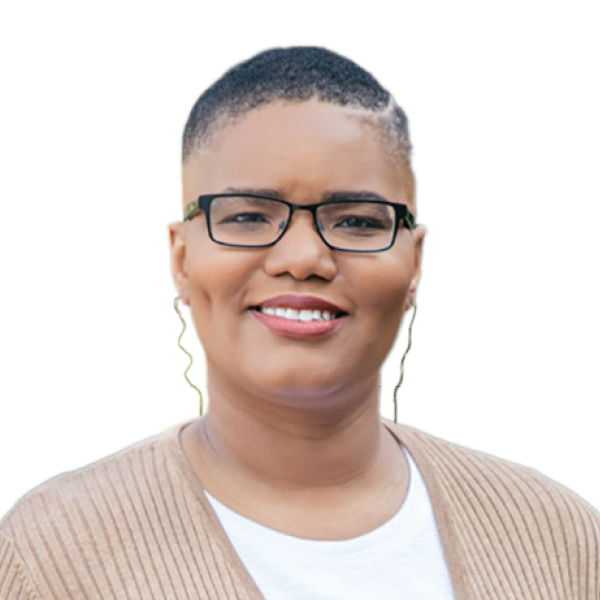
Eboni Webb, PsyD, HSP, opened the private practice Kairos in Middle Tennessee in July 2010. Kairos, now The Village of Kairos, offers diverse DBT specializations including DBT or trauma-based disorders and co-occurring disorders. The Village of Kairos has expanded therapy programs, better known as Restorative Services, to include individual and group therapy sessions for adolescents, parents, families, and adults, including in-the-moment coaching for patients. Dr. Webb earned her doctor of clinical psychology from the Minnesota School of Professional Psychology. Dr. Webb began her clinical work as assistant clinical director and program director at Mental Health Systems in Minnesota, a large clinic specializing in Dialectical Behavior Therapy (DBT). She has extensively practiced DBT, developing two special treatment programs for clients with developmental disabilities and borderline-intellectual functioning. Dr. Webb has completed Level II training and is in the process of completing her board certification in Sensorimotor Psychotherapy as an Advanced Certified Practitioner, which has become a prominent feature of therapy offerings in the Village.

Judith Grisel, PhD, is a professor of psychology and neuroscience at Bucknell University. Her efforts in the classroom, laboratory, and public domain have positively impacted students, the field of behavioral neuroscience, and the broader community. As an active scholar, Judy has been recognized as an outstanding mentor by the Howard Hughes Medical Institute. With students and the support of the National Institutes of Health, she’s published dozens of scientific articles, primarily on the complex causes of drug abuse. Current studies focus on sex-dependent influences of stress on drug reinforcement, and the role of endogenous opioids in alcohol use disorders. A strong proponent of the liberal arts, she teaches a wide range of undergraduate courses, including introductory psychology and neuroscience, and a popular seminar in neuroethics. In 2019, Judy published a book on the neuroscience and experience of addiction that became a NY Times bestseller, which has since been translated for a worldwide audience. She regularly speaks on the relationship between the brain and behavior to parents, teachers, legislators, the judiciary, and clinicians; she’s shared her knowledge effectively from classrooms to the World Economic Forum in Davos. As a recovering addict, scientist, and practiced instructor, Judy is uniquely qualified to communicate knowledge about the neural causes and consequences of substance use disorders.

Nicolle Carr, PhD, has served as a director of clinic services for in-clinic ABA services, as an assistant clinical director at a residential program, and as a consultant for school districts regarding classroom management and individual student needs. She ran the ABA program at the University of Oklahoma for four years and her online teaching load includes courses on psychology, development, neuroscience/cognition, and behavior analysis for a variety of colleges and universities across the United States. Dr. Carr earned her PhD in behavioral neuroscience/psychology from the University of Texas, Austin in 2001 and has been a Board-Certified Behavior Analyst since 2008. Dr. Carr served as the secretary of the Society for Behavioral Neuroscience and Comparative Psychology of the American Psychological Association and the Ethics Special Interest Group for the Association for Behavioral Analysis International as well as the founder of the Oklahoma Association of Behavior Analysts (OKABA) and its yearly conference. She has published two books; one for teachers on the use of ABA in schools and one on ethics within behavior analysis.
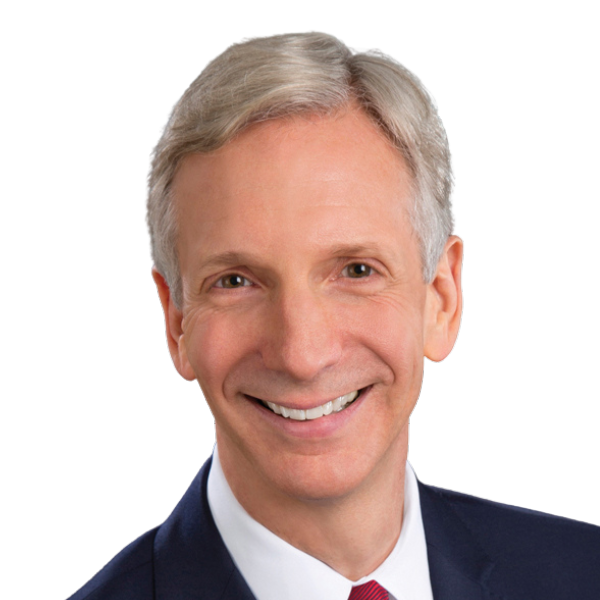
Britt Rathbone, LCSW-C, provides mental health services to adolescents and their families in the Washington, DC metropolitan area. He has 30 years of experience working directly with adolescents and families, is a "top therapist" for adolescents, teaches graduate students, trains therapists, and leads a highly regarded and successful clinical practice. He lectures often on the value of DBT with young people. He is a dynamic and passionate speaker and his trainings consistently receive the highest ratings. He is the coauthor of Dialectical Behavior Therapy for At-Risk Adolescents, What works With Teens: A Professional's Guide to Engaging Authentically with Adolescents to Achieve Lasting Change, and Parenting a Teen Who Has Intense Emotions (New Harbinger, 2016).
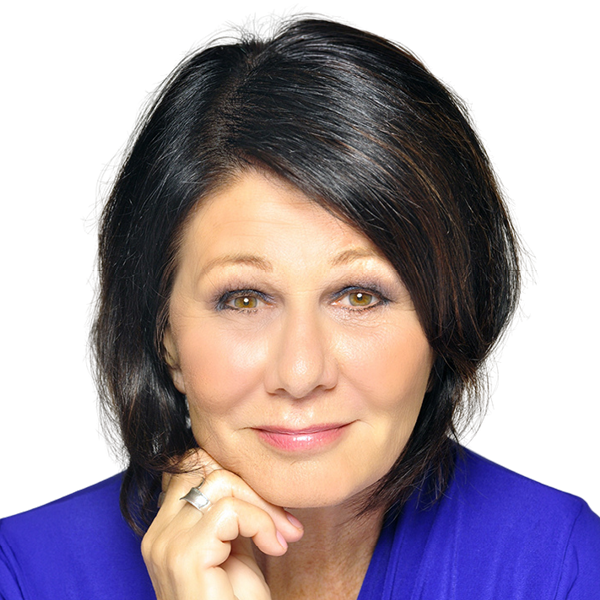
Margaret Nichols, PhD, is a psychologist, AASECT certified sex therapy supervisor and founder and first executive director of the Institute for Personal Growth, a psychotherapy organization in New Jersey specializing in clinical work with the sex, relationship and gender diverse community. She is the author of The Modern Clinician’s Guide to Working with LGBTQ+ Clients: The Inclusive Psychotherapist. Dr. Nichols is an international speaker and author of many articles on LGBTQ sexuality, transgender youth, kink, and consensual nonmonogamy, as well as co-director of Modern Sex Therapy Institutes Transgender Mental Health certification program.

Edvardo Archer, LMFT, specializes in parenting and family conflict and builds bridges for youth and families to live confidently and not be bullied by their circumstances. A counselor, consultant, speaker, and coach who also holds virtual reality sessions with teens, he’s the founder of Anchor Point Family Services
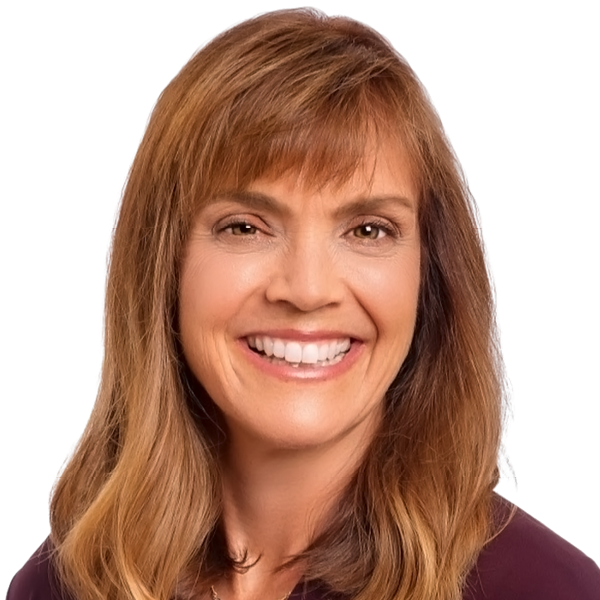
Lynn Lyons, LICSW, is an internationally recognized psychotherapist, author, and speaker with a special interest in interrupting the generational patterns of anxiety in families. She is the author of several books and articles, including (with Reid Wilson) Anxious Kids, Anxious Parents and the companion book for kids Playing with Anxiety: Casey's Guide for Teens and Kids. She is the co-host of the popular podcast Flusterclux and has several online programs for professionals, parents, and children. She maintains a private practice in Concord, New Hampshire where she sees families whenever she's not on the road teaching.
Evidence‑Based Tools for Assessment, Safety Planning, and Crisis Intervention
$919.94 Value — Just $299.99 Today!
Click here for Credit details | Click here for course objectives and outline
If you care deeply about supporting and guiding young people in crisis, this program will leave you equipped, confident, and prepared with specific tools to navigate even the most challenging situations with confidence and compassion. You’ll be able to enhance your clinical toolkit, deepen your expertise, and become a beacon of hope for vulnerable youth.
Is the training self-paced?
Yes. Start anytime. Go as fast or slow as you need. Rewatch any time with unlimited access!
How many CE hours will I earn with this course?
You can earn up to 17.5 CE hours (exact hours depend on your licensing board and location). CE credit is included in your registration—no extra fees.
We’re that confident you'll find this learning experience to be all that's promised and more than you expected.