

ASK ANY SCHOOL-BASED PROFESSIONAL what's changed in the last five years, and you'll hear some version of the same thing: the needs have gotten more complex, and there are more of them.
Regulation difficulties, attention challenges, communication gaps, trauma responses, and behavioral concerns don't arrive one at a time — they arrive layered, in the same student, on the same day.
This summit is built for that reality.
We've assembled leading voices in developmental pediatrics, pediatric psychology, occupational therapy, and speech-language pathology for an exclusive live online event to build one shared foundation: how neurodevelopment, attachment, and cognitive-motor strategies drive executive function, learning, and behavior — and where each professional's role fits into the bigger picture.
You'll leave with evidence-based strategies built for real impact — ready to put to work starting Monday morning.
PLUS! This summit provides everything you need to become a Certified Youth Mental Health Specialist (CYMHS)... at no additional cost!
A shared foundation: One trauma-informed developmental framework connecting brain architecture to executive function, learning, and behavior — replacing separate playbooks with a common language.
Movement as regulation: Dozens of cognitive-motor and rhythm-based strategies that build attention and self-control from the body up, ready for the classroom or therapy room.
Regulation before academics: Practical, regulation-first practices that prepare students to learn before academic or behavioral demands are introduced.
Sensory and language foundations: Clear, plain-language guidance on when what looks like behavior is actually a sensory-motor or language need — and what to do about it.
Collaborations that actually work: Strategies that translate across Tier 1, Tier 2, and Tier 3 supports, so every professional's role fits into one bigger picture.
2027 School Professionals Summit
Executive Function, Regulation, and Learning Through the Brain-Body Connection
Includes all education needed to become a Certified Youth Mental Health Specialist (CYMHS)*
(up to 12 Live CE hours & up to 10.75 Self-Study CE hours)
Valued at $1,389.89
Credit approvals may differ per session
Valued at $1,389.89
Self-study CE hours and approvals may vary from live event
Content will be accessible for 12 months after the product becomes available.
Credit hours breakdown
*Professional standards apply
Click here to learn more about CYMHS Certification
Lynne Kenney, PsyD The nation's leading pediatric psychologist in classroom cognitive-motor programming, creator of CogniSuite, and co-author of Move More, Learn More, translating executive function science into a working model for strengthening cognitive and self-regulation skills.
Raun Melmed, MD Co-founder and medical director of the Southwest Autism Research and Resource Center, bringing decades of nationally recognized research and clinical leadership in early identification and treatment of neurodevelopmental disorders to the co-occurring conditions and whole-child factors that shape every child and family.
Joann McFee, OTR/L Founder and clinical director of Pediatric Therapy Solutions, drawing on nearly 30 years of experience in evaluating and treating the visual, motor, sensory, and executive-functioning breakdowns behind learning disabilities and dyslexia.
Kelly Barnhart, OTR/L, CBIS, CSRS A Certified Brain Injury and Stroke Rehabilitation Specialist with more than 20 years translating neuroscience and neuroplasticity into sensory-motor strategies any classroom and clinical team can use.
Stacy Fretheim, MS, CCC-SLP Founding team member and current Center Director of the Wellington-Alexander Center, leading a multidisciplinary team for dyslexia and language-based learning differences since 2003.
Deb Lund, MS, OTR/L A Certified Professional in ADHD with 25+ years bridging neuroscience and daily life — founder of an ADHD-specific microschool and a multidisciplinary practice built on turning brain science into practical regulation strategies.
Kate Witt, MS, CCC-SLP An innovative speech-language pathologist at the Wellington-Alexander Center specializing in dyslexia and language-literacy intervention — bringing both clinical expertise and the lived insight of having gone through intensive dyslexia intervention herself as a young student.
- Watch the trainings (including Bonus Sessions)
- Complete the CE tests
- Purchase your certification application (at no cost with a discount code provided at the end of the event)
No hidden fees. No catch. Just certification made easy.
Click here to learn more about CYMHS Certification
2027 School Professionals Summit
Executive Function, Regulation, and Learning Through the Brain-Body ConnectionIncludes all education needed to become a Certified Youth Mental Health Specialist (CYMHS)*
(up to 12 Live CE hours & up to 10.75 Self-Study CE hours)
Valued at $1,389.89
Credit approvals may differ per session
Valued at $1,389.89
Self-study CE hours and approvals may vary from live event
Content will be accessible for 12 months after the product becomes available.
Credit hours breakdown
*Professional standards apply
Click here to learn more about CYMHS Certification
Every executive function breakdown has a story underneath it, and for a striking number of students, that story starts with attachment.
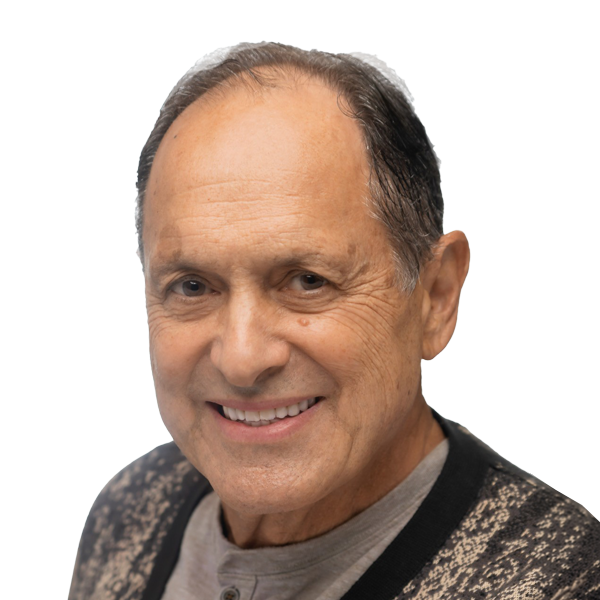
In this pivotal session, Dr. Melmed — a developmental-behavioral pediatrician specializing in autism and ADHD — demonstrates how attachment, trauma, and early relationships shape the developing brain, and how these forces intersect with (and are sometimes mistaken for) ADHD and autism.
He will also bring differential diagnosis into focus, walking you through where autism, ADHD, anxiety, and trauma responses overlap and where they diverge, with a neurodiversity-affirming, developmental perspective on interventions, including where and when medication fits into that picture.
You'll Walk Away With:
- The neurological and behavioral impacts of trauma, attachment disruption, and adverse childhood experiences (ACEs) and how they can overlap with or be mistaken for ADHD and autism
- Signs of trauma-related stress, safety ruptures, and attachment insecurity in school settings
- Trust-based, neurodiversity-affirming relationship frameworks and interventions for supporting dysregulated and neurodivergent students
- Differential diagnosis considerations involving trauma, anxiety, autism, ADHD, developmental differences, and defiance-coded behavior
Movement can do far more than "get the wiggles out."
This session brings together the science of exercise, central nervous system regulation, sensory processing, and development to show educators how to use specific types of movement intentionally — to change arousal states, support regulation, prepare the brain for learning, and strengthen sensory-motor foundations for higher-level skills.
You'll also explore excessive regulation-seeking — from sensory seeking and screens to constant stimulation and risky behavior — and how movement can provide healthier, more adaptive ways to meet underlying needs.
You'll Walk Away With:
- A framework for understanding bottom-up brain development and the sensory-motor foundations of attention, learning, and executive function
- Strategies for choosing movement to help children transition between calm, alert, and activated states
- Heavy work, rhythmic movement, aerobic activity, and coordinated movement activities for nervous-system regulation that work with both in-person and virtual learners
- Cognitive-motor movement breaks that combine physical activity with working memory, inhibition, sequencing, coordination, and other executive demands to prepare students for academic work
- Cognitive-motor movement breaks that work with both in-person and virtual learners, including classrooms without specialized sensory equipment
Executive function doesn't arrive on schedule, and it doesn't come from worksheets, reminders, or willpower.
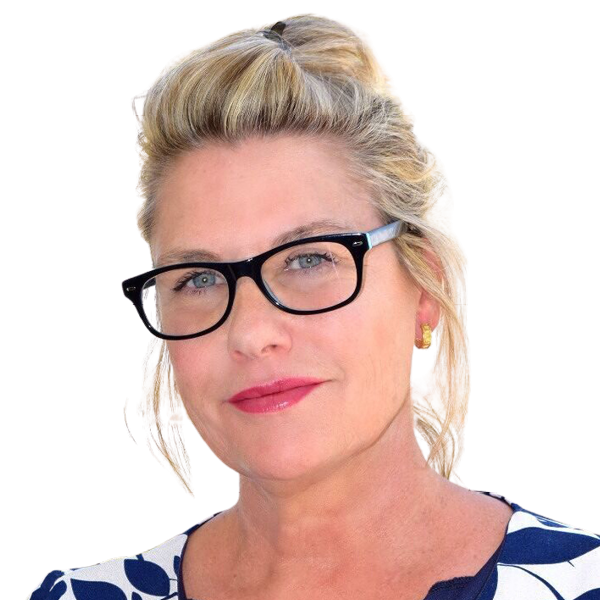
Dr. Kenney, a leader in classroom cognitive-motor programming, will expertly guide you through how executive function develops across childhood, why motor skills precede cognition, and how rhythm, music, and movement support attention, working memory, and self-regulation.
You'll Learn:
- Core executive function domains and developmental readiness indicators
- Brainstem, cerebellar, and cognitive-motor factors underlying executive function challenges
- Rhythm, music, and structured movement activities that support regulation, attention, memory, and flexibility
- Practical strategies for screening executive function and using data to guide collaborative intervention planning
- Strength-based, data-informed approaches for supporting neurodiverse learners and closing developmental gaps
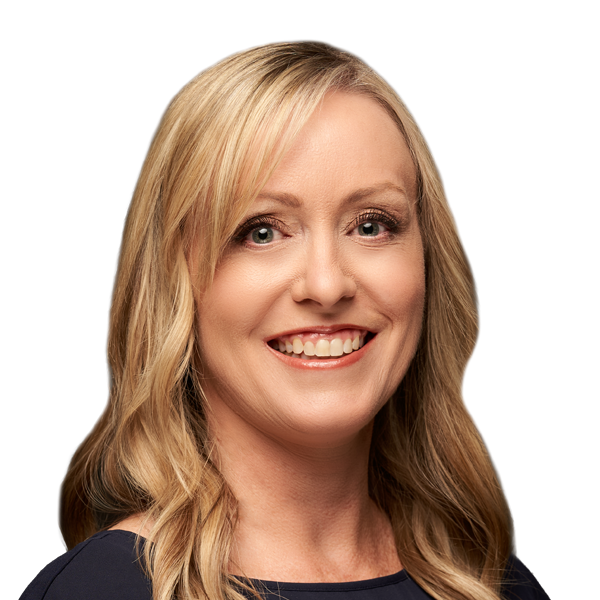
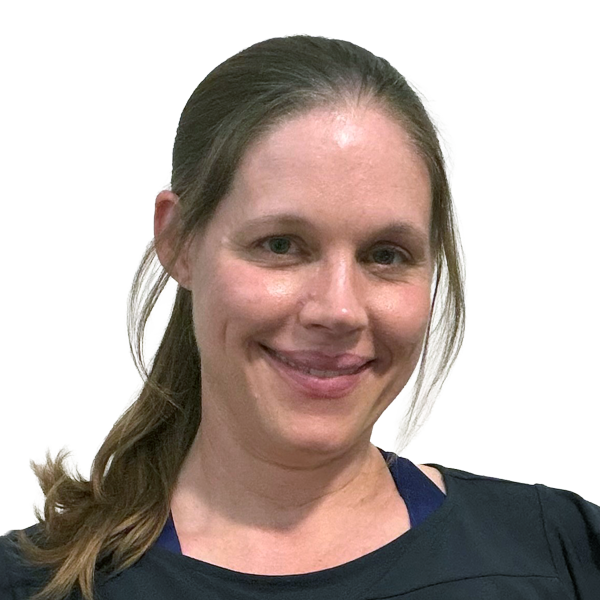
Kelly Barnhart, OTR/L | Information about Kelly Barnhart
For students who struggle with attention, transitions, or self-regulation, the barrier is often sensory-motor rather than motivational. This session translates key sensory and neurological concepts into practical strategies that support participation, learning, and behavior.
You'll Learn:
- Far senses, near senses, and their role in classroom regulation and readiness for learning
- Stability-before-mobility principles for posture, attention, and academic performance
- The Pyramid of Learning as a framework for understanding sensory-motor and academic development
- Sensory-motor-informed supports, referral indicators, and low-burden strategies for students who do not respond to typical classroom interventions
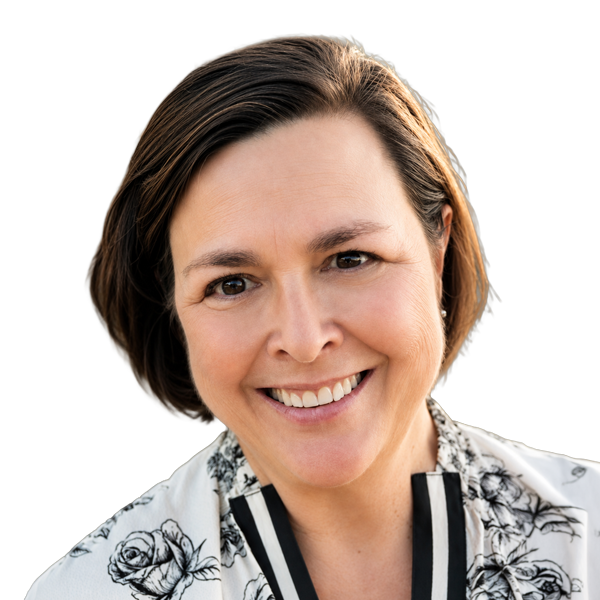

Kate Witt, MS, CCC-SLP | Information about Katherine "Kate" Witt
The student who shuts down during writing, melts down over multi-step directions, or watches everyone else before starting isn't misbehaving — they're communicating. This session reframes classroom behavior through a language lens and hands professionals the practical, immediately usable supports for meeting students where they actually are.
You'll Learn:
- A fresh read on "misbehavior" as a signal of overwhelm or unmet language need
- Early red flags for dyslexia, developmental language disorder, and executive-function vulnerability
- Assessing language and literacy levels to build realistic catch-up plans after disrupted routines or extended absences
- Classroom-ready supports — pacing, visuals, modeling, repetition — with expectations intact
- Clear triggers for screening, referral, or additional language support
As the summit's closing session, Dr. Kenney brings together the key themes, strategies, and frameworks explored throughout the event into one practical, whole-child approach. Learn how subcortical brain development influences ADHD, autism, anxiety, learning differences, and regulation, while gaining actionable tools for supporting students across school, home, and virtual environments.
You'll leave with a clearer roadmap for identifying concerns, making appropriate referrals, fostering resilience, and sustaining your own well-being in the process.
You'll Learn:
- A unified framework connecting brain development, regulation, ADHD, autism, anxiety, and learning differences
- The impact of sleep, nutrition, play, physical activity, and screen use on learning and self-regulation
- Practical questions to guide referrals, support decisions, and responses to concerns ranging from everyday challenges to crises
- Strategies for recognizing and supporting anxiety, withdrawal, and engagement challenges in both in-person and virtual settings
- Tools for building resilience in students while protecting your own regulation and well-being as a professional
Immediate Access Upon Registration
Required for Certification
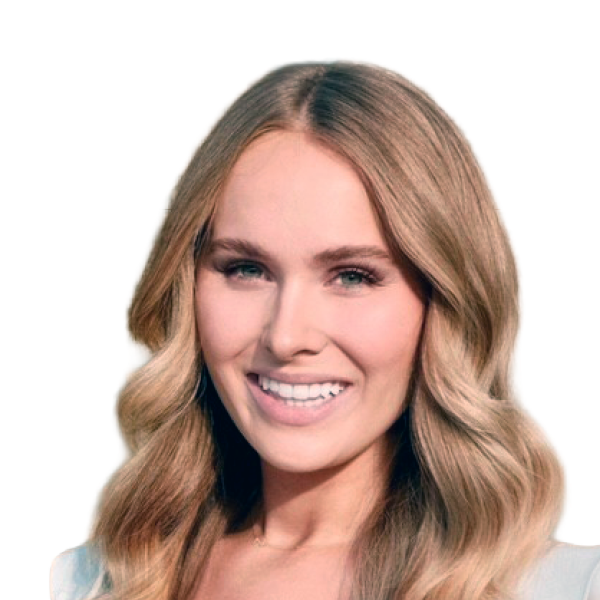
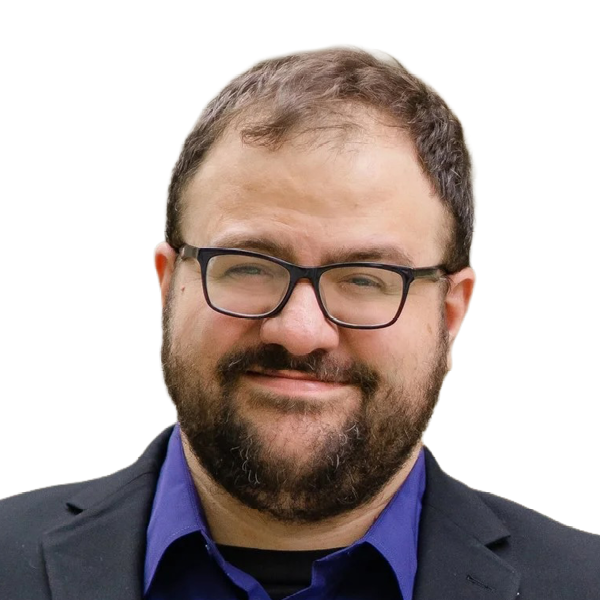
Matt Ercolani, MS, LPC, NCC | Information about Matthew Ercolani
This session shows how ACT can support regulation and flexibility so students can re-engage with learning, relationships, and values despite anxiety.
In this bonus session, you'll learn:
- Common patterns of school-based anxiety across developmental stages and neurotypes, viewed through a nervous-system lens
- ACT processes that promote grounding, psychological flexibility, and values-aligned action under stress
- Practical tools for unhooking from worry loops, avoidance cycles, and threat-based thinking
- Strategies that strengthen resilience across academic, social, and performance-related demands
- How reassurance traps, over-accommodation, and overcorrection can inadvertently reinforce survival responses
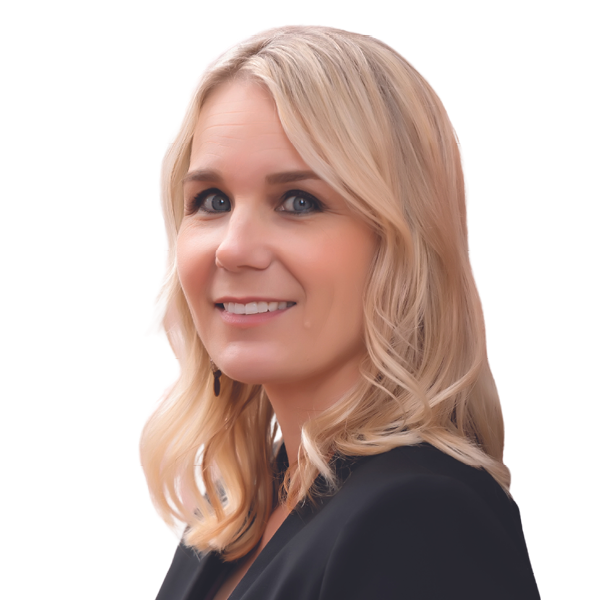
When survival responses dominate, words alone often aren't accessible. This session explores how creative, body-based approaches can help restore regulation and connection for youth experiencing profound distress.
In this bonus session, you'll learn:
- A nervous-system-informed lens for understanding self-injury and suicidality as signals of overwhelm, not pathology
- Connection-first, regulation-focused responses that reduce fear and open pathways to safety
- Strategies for staying grounded and present amid intense emotions and high-risk moments
- Practical clinician wellness practices that support regulation, capacity, and long-term resilience
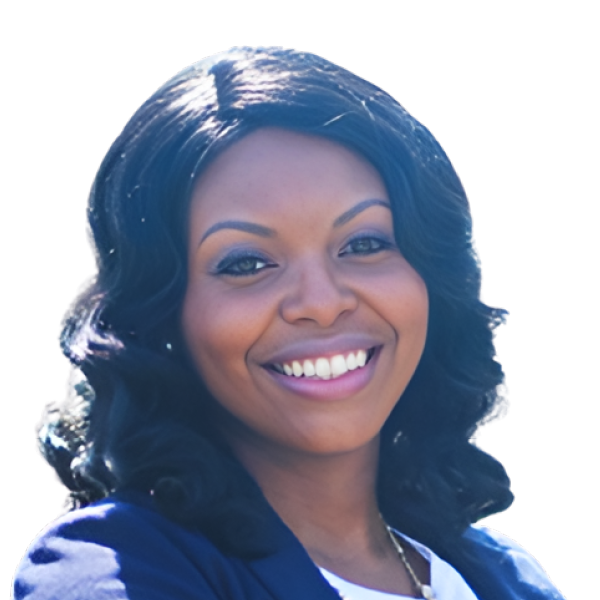
This session cuts through the noise and gets real about what today's students are facing — and what adults can actually do about it to restore safety, regulation, and belonging within school environments.
In this bonus session, you'll learn:
- Nervous-system-informed indicators for recognizing distress before it escalates into behavior or shutdown
- Regulation-supportive, trauma-responsive tools you can use immediately in classrooms and school settings
- Collaboration strategies that align schools, families, and clinicians around shared cues of safety and support
- Simple, regulation-based self-care resets to help you stay grounded, effective, and compassionate
- Culturally humble practices that promote felt safety and inclusion for diverse learners
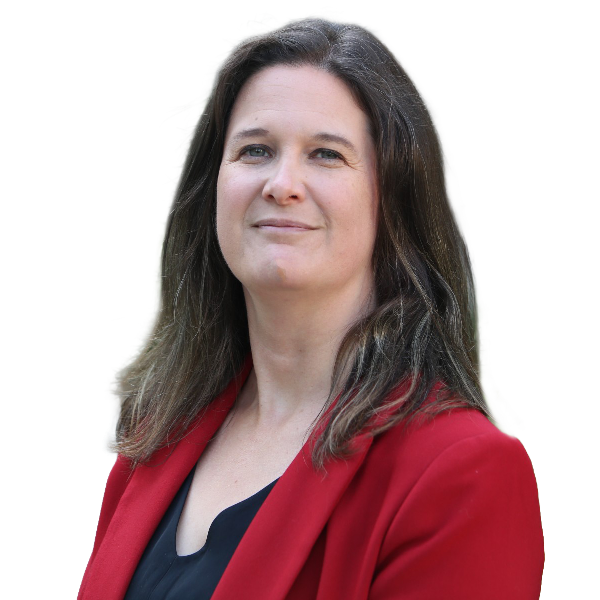
School refusal isn't simply defiance. Often, it's a complex expression of anxiety, distress, trauma, or emotional overload that leaves students and families feeling stuck. When traditional approaches fail, educators and clinicians need a deeper understanding of what's driving the behavior and how to respond effectively.
In this bonus session, you'll learn:
- Practical assessment tools to identify the factors maintaining school refusal
- Strategies to address anxiety, avoidance, emotional dysregulation, and family dynamics
- Collaborative approaches that strengthen partnerships between school, home, and treatment providers
- Evidence-based interventions that support successful school re-engagement
- Real-world tools and case examples you can implement immediately
This training equips you with actionable strategies to help resistant students move from avoidance and frustration toward confidence, connection, and consistent attendance.
2027 School Professionals Summit
Executive Function, Regulation, and Learning Through the Brain-Body ConnectionIncludes all education needed to become a Certified Youth Mental Health Specialist (CYMHS)*
(up to 12 Live CE hours & up to 10.75 Self-Study CE hours)
Valued at $1,389.89
Credit approvals may differ per session
Valued at $1,389.89
Self-study CE hours and approvals may vary from live event
Content will be accessible for 12 months after the product becomes available.
Credit hours breakdown
*Professional standards apply
Click here to learn more about CYMHS Certification
Yes, includes up to 22.75 CE hours (up to 12 Live hours and up to 10.75 Self-Study hours) at the very low price of $299.99.
If I can't attend LIVE, can I still get credits?
Yes! Just register for our fully on-demand version of this conference, which will be available 4-6 weeks after the live event dates of February 18-19, 2027. You'll get access to the content for 12 months after the product becomes available. During that access period, you will be able to earn self-study CE hours! Click here to learn more and register to earn CE on your own schedule.
Will I be able to ask questions live?
YES! You'll be able to engage with the presenters and chat with colleagues throughout each presentation.
When will the replays be available and how long? Do I get them for free?
Yes! You get 90 day access to all sessions (replays and on-demand sessions) after the training. Replays will be available within the week after the training ends and will be in the same place where the live sessions took place in your account portal.
I still have a question. Who do I contact?
Reach out to Contact Us for questions. We're happy to help!